Monkey vs langur: How to spot the difference
Source Entity
The Indian Express
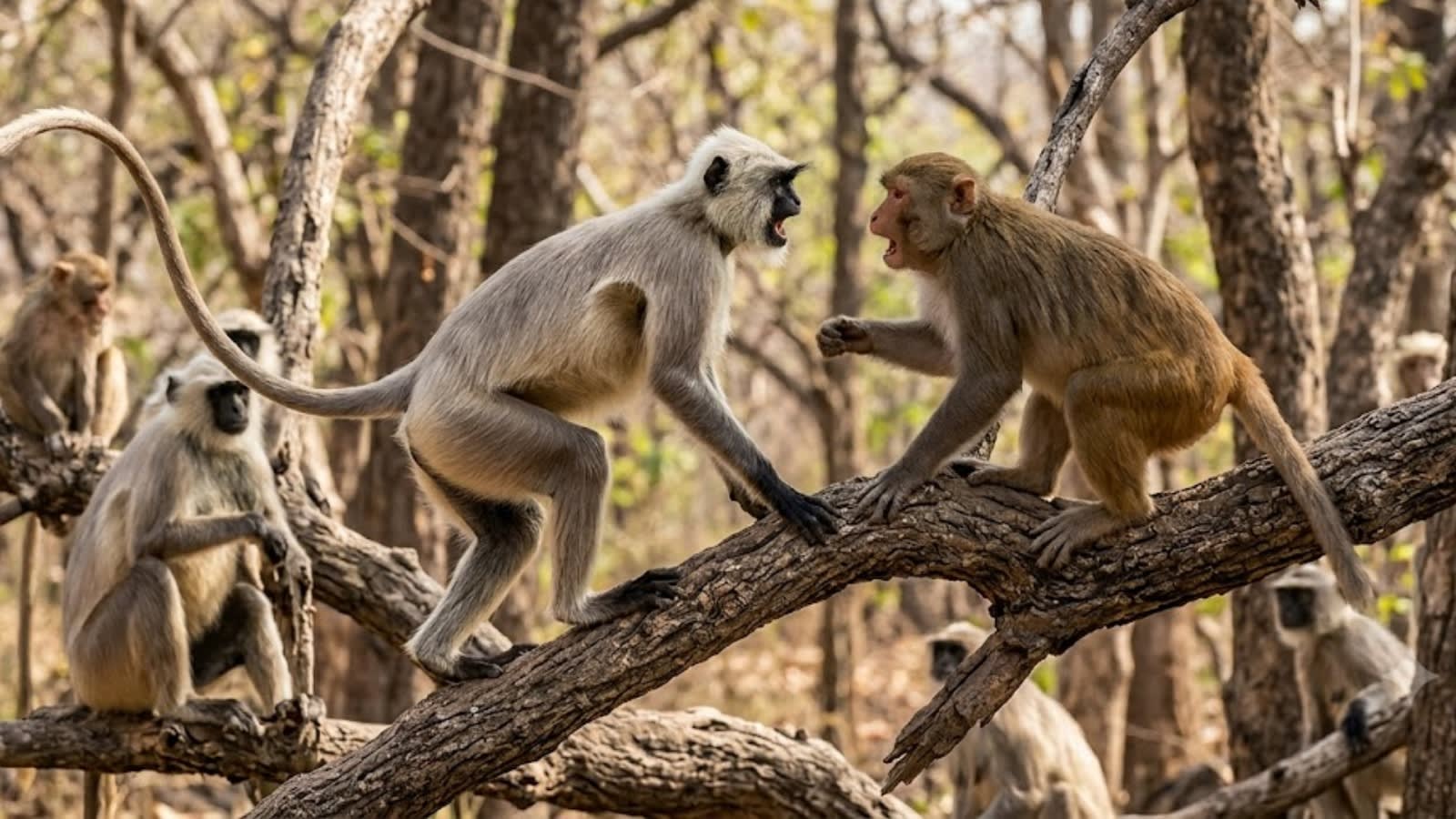
Distinguishing between macaques and langurs is essential for understanding urban primate behavior. While both are biologically monkeys, they exhibit distinct physical, dietary, and behavioral differences.
Understanding Primate Diversity in Urban Spaces
As urbanization encroaches further into natural habitats, human-primate encounters have become a daily reality for residents in many regions. Often, the public colloquially labels any primate seen in markets or residential areas as a simple "monkey." However, as Dr. Vinod Sharma, Director and Head of Veterinary Services at DCC Animal Hospital & Petcare, clarifies, this broad terminology masks significant biological and behavioral distinctions between species like macaques and langurs.
Biological Classification vs. Common Usage
While biologically both macaques and langurs fall under the umbrella of monkeys, their ecological roles and physical traits are vastly different. In common parlance, "monkey" is frequently reserved for macaques—the smaller, often more aggressive primates frequently seen scavenging near human settlements. Recognizing that langurs are also monkeys, yet distinct in their evolutionary lineage, is the first step toward effective coexistence and wildlife management in suburban environments.
Physical Distinctions: The First Line of Identification
To accurately identify these animals, one must look beyond the generic label. Experts suggest focusing on the overall build and facial features as primary indicators. Macaques generally exhibit a more robust, compact build suited for ground-dwelling and opportunistic foraging. Langurs, conversely, often possess a more slender, athletic frame, reflecting their specialized adaptations for arboreal life and different modes of locomotion.
Behavioral and Dietary Variations
Beyond mere aesthetics, the behavioral patterns of these primates differ significantly. Macaques are known for their high adaptability and often exhibit bolder behavior when seeking food in human-dominated landscapes. Understanding these behaviors is crucial for residents to avoid conflict, such as securing food waste or maintaining a respectful distance. Langurs often display different social structures and dietary preferences, which dictates their movement patterns and interaction with urban infrastructure.
Implications for Urban Coexistence
Misidentifying these species can lead to misguided management strategies. For instance, responses to primate "nuisance" calls often fail because the specific behavioral needs of the primate in question are misunderstood. By learning to differentiate between the two, residents can better understand the specific risks or needs of the primate they encounter, leading to safer interactions and reduced human-wildlife conflict.
Conclusion: Moving Toward Informed Observation
In summary, the ability to distinguish between macaques and langurs is more than an academic exercise; it is a practical tool for environmental literacy. By observing facial features, body structure, and behavioral cues, the public can move past the reductionist "monkey" label. This nuanced understanding is essential for fostering a more informed, respectful, and safe coexistence with the diverse primate populations that share our evolving urban landscapes.