What was really behind Wednesday's monster rally? Trump quickly making peace
Source Entity
US Top News and Analysis
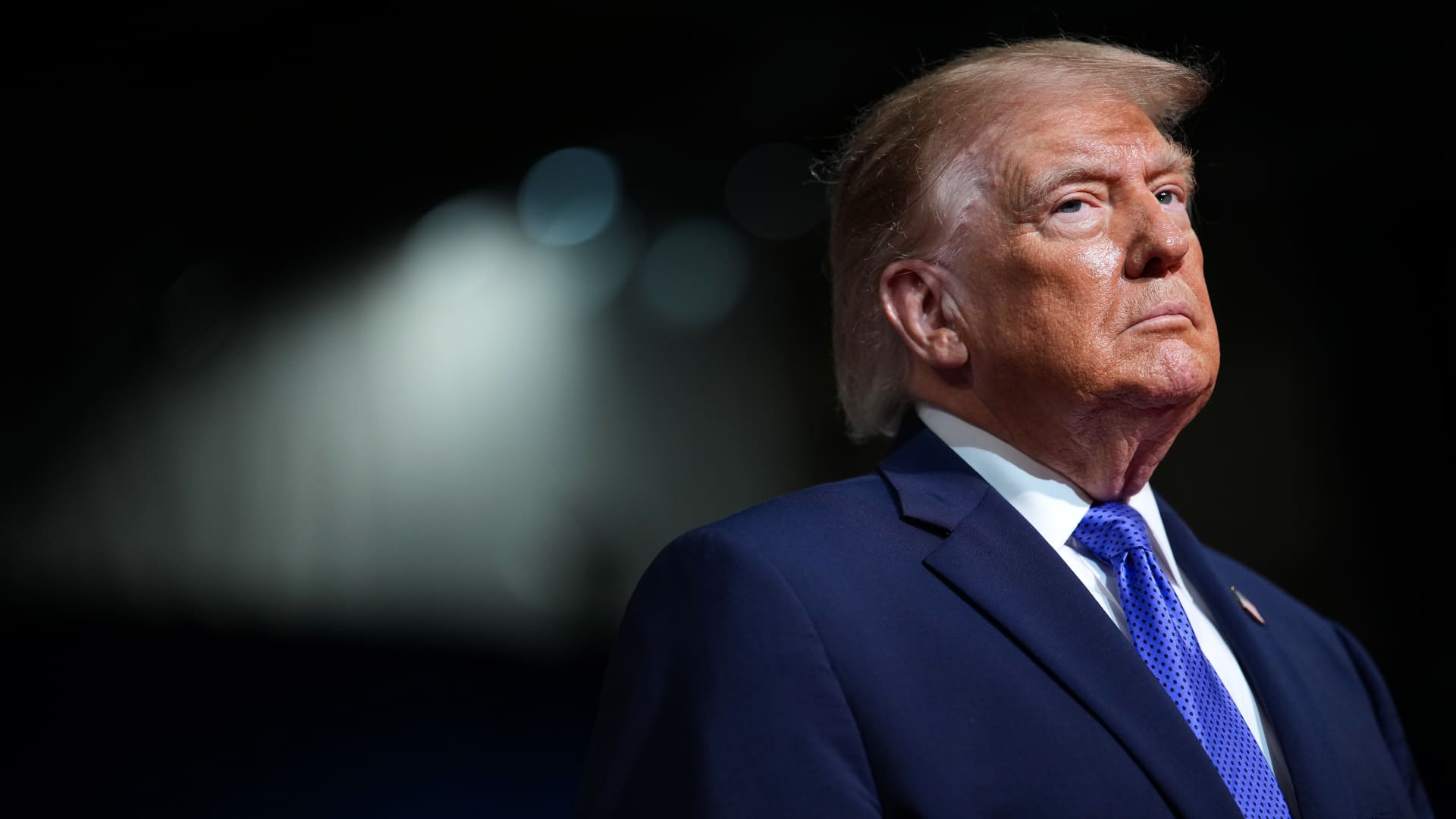
The 2026 U.S. midterm elections resulted in a significant Democratic sweep, triggering a major stock market rally. President Trump’s unusual public acceptance of the results and signaled willingness to collaborate helped calm investor fears of political instability.
The 2026 Midterm Shift: A Political and Economic Catalyst
The 2026 U.S. midterm elections have concluded with a decisive and unexpected shift in the national political landscape. Democrats achieved a stunning series of victories, successfully flipping multiple Republican-held seats in both the House and the Senate. This electoral wave, which saw Democrats secure a critical Senate seat in North Carolina and win the governorship in Georgia, has fundamentally altered the legislative outlook for the remainder of President Donald Trump’s term.
Market Reaction to Electoral Certainty
Following the announcement of these results, the U.S. stock market experienced a dramatic surge. While market analysts often view divided government as a stabilizer, the suddenness of the Democratic sweep typically risks volatility. However, investors reacted with optimism, driven by the belief that the election outcome was clear and decisive. This rally suggests that markets are prioritizing the removal of electoral uncertainty over the specific policy shifts that a Democratic-controlled legislature might pursue.
The Role of Presidential De-escalation
A significant factor in the market’s positive response was President Trump’s immediate reaction to the results. Unlike past cycles marked by intense contestation, Trump expressed an openness to collaborating with the Democratic opposition. By explicitly stating his acceptance of the results in interviews with The New York Times and The Wall Street Journal, the President effectively signaled a de-escalation of partisan polarization. Economists, such as Thomas Hempell of Generali Investments, noted that this move helped reassure investors that the country could avoid the gridlock and chaos often associated with disputed electoral outcomes.
Key Legislative Flips and Demographic Shifts
The breadth of the Democratic victory was underscored by specific gains across traditional battleground states. In Pennsylvania, candidates like Bob Brooks, Paige Cognetti, and Janelle Stelson unseated Republican incumbents, highlighting a strong performance in the Keystone State. Similar patterns emerged in New Jersey, Kentucky, and North Carolina, where Roy Cooper’s success in the Senate race served as a cornerstone of the party's gains. These results represent a significant "red alert" for the GOP, as they indicate a loss of momentum in districts previously considered safe.
Future Trends and Policy Implications
Looking ahead, the shift in power dynamics presents a challenging phase for the Republican Party. With Democrats now holding increased influence in the House and key Senate seats, the legislative agenda will likely shift toward negotiation and compromise. The immediate future will test the strength of the President's stated commitment to collaboration. If the current trend of bipartisan rhetoric holds, the U.S. may enter a period of relative legislative stability, which the markets have clearly signaled is their preferred environment.
Conclusion
The 2026 midterms have proven to be a pivotal moment in American politics, characterized by a major Democratic resurgence and a strategic pivot in tone from the White House. By embracing the reality of the electoral results, the political establishment has prevented a potential market crisis, setting the stage for a new, albeit complex, era of governance. Whether this newfound spirit of cooperation persists will be the defining question of the coming legislative session.