New corners, new lights for 2028 Volvo XC40
Source Entity
Jonathan M. Gitlin
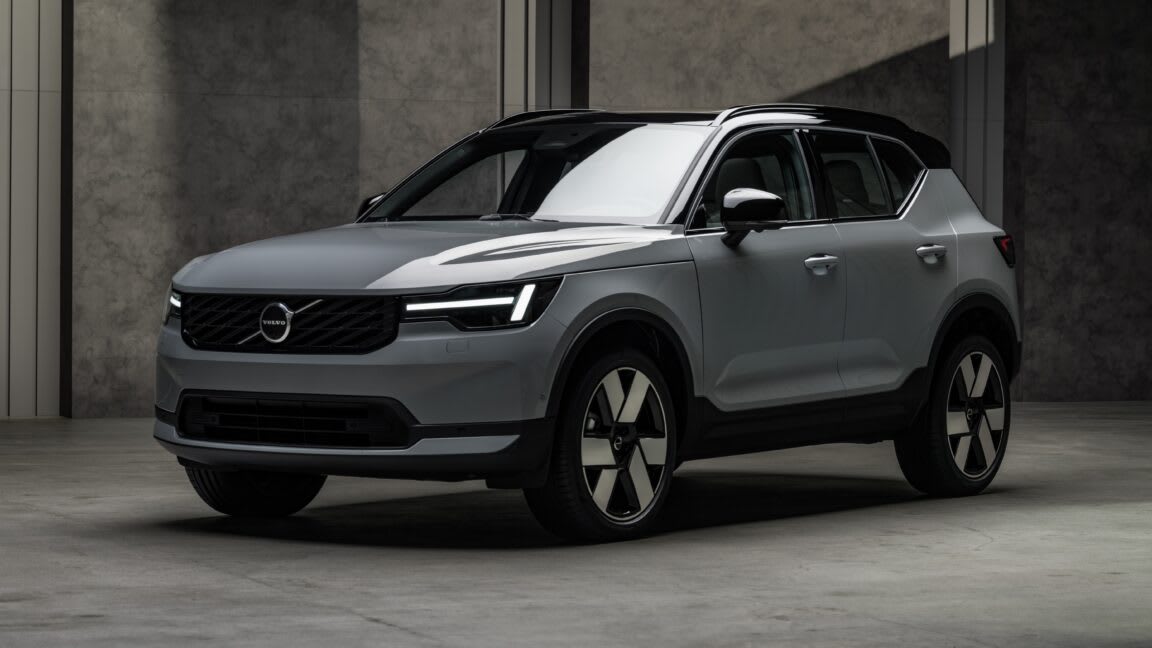
Volvo has announced a second mid-cycle refresh for its popular XC40 compact SUV for the 2028 model year. This update focuses on aesthetic tweaks and minor engineering refinements to maintain the vehicle's market relevance.
The Evolution of the Volvo XC40: A Rare Second Facelift
Volvo has officially confirmed a significant mid-cycle update for the 2028 Volvo XC40, a move that defies the traditional automotive industry lifecycle. Typically, vehicles undergo a single mid-life refresh roughly four years into their production cycle. By opting for a second update on a platform that debuted in 2017, Volvo is demonstrating a strategic commitment to extending the lifespan of one of its most successful compact SUVs rather than rushing to replace it entirely.
Design and Aesthetic Refinements
The 2028 update focuses on subtle yet impactful changes, specifically targeting the vehicle's exterior lighting signatures and corner styling. These 'sympathetic makeovers' are designed to align the older XC40 architecture with the design language currently proliferating across Volvo’s newer electric and hybrid lineups. By refreshing the visual identity, Volvo ensures that the XC40 remains aesthetically competitive against newer entrants in the crowded compact crossover segment.
Engineering and Lifecycle Strategy
Beyond mere cosmetic adjustments, these updates often serve as a vessel for incremental engineering improvements. While the industry is accustomed to dramatic shifts—such as the previous Polestar 2 transition from front-wheel to rear-wheel drive—the XC40’s update appears to be a more measured approach. This strategy suggests that Volvo is prioritizing iterative quality-of-life improvements and technological enhancements that keep the driving experience modern without the massive capital expenditure required for a ground-up platform redesign.
Market Positioning and Longevity
The decision to refresh the XC40 for a second time highlights the enduring popularity of the model. In an era where automotive technology cycles are accelerating, keeping a seven-year-old design relevant is a testament to the original platform's versatility. This approach allows Volvo to maintain a strong foothold in the entry-level premium SUV market while focusing its primary innovation budget on its next generation of dedicated electric vehicles.
Broader Industry Implications
This trend of multiple facelifts may become more common as automakers grapple with the high costs of electrification and the need to maximize the ROI of existing platforms. By refining the XC40, Volvo effectively bridges the gap between its internal combustion legacy and its future electric goals. This strategy provides consumers with a familiar, high-quality product that benefits from years of refinement and real-world reliability data.
Conclusion
The 2028 Volvo XC40 refresh represents a calculated, pragmatic approach to vehicle longevity. By focusing on lighting and exterior styling, Volvo is successfully breathing new life into a proven platform. For consumers, this means continued access to a refined, well-understood vehicle, while for the manufacturer, it ensures continued market relevance in a highly competitive automotive landscape.