macOS 27: new Siri takes on AI productivity apps
Source Entity
Ivan Mehta
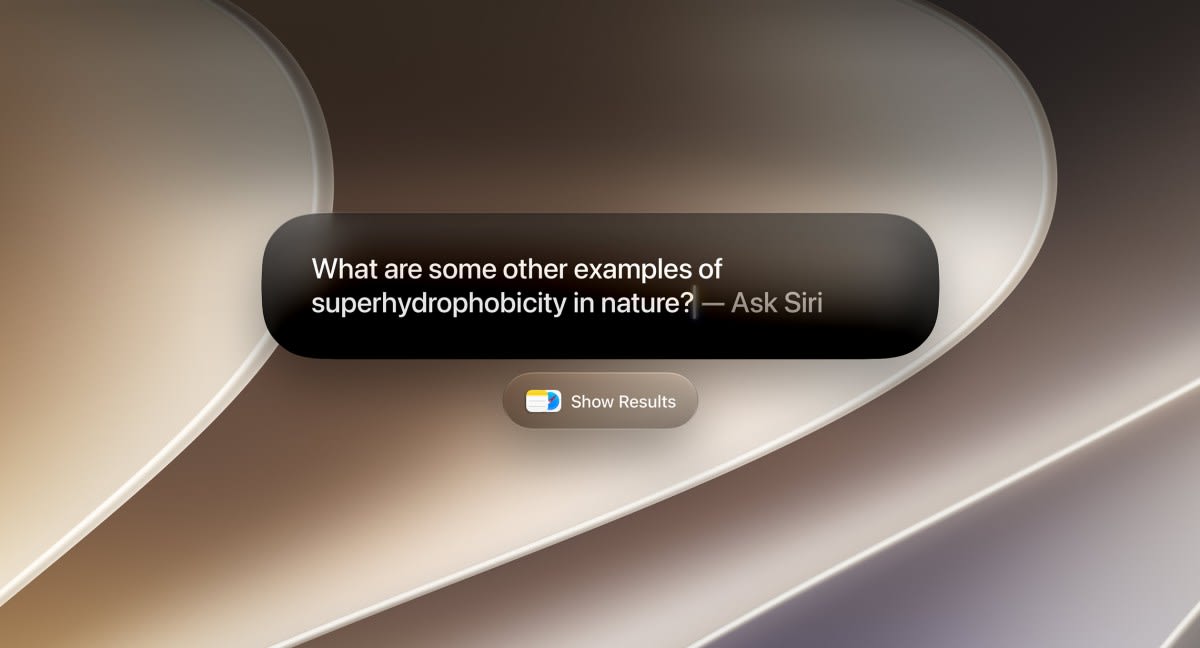
Apple has officially released iOS 27 and macOS 27 Golden Gate, centering on a major AI-powered Siri upgrade. The update brings enhanced contextual intelligence to a wide range of iPhone models and Mac systems.
The Dawn of Contextual Intelligence: iOS 27 and macOS 27
Apple has officially signaled a new era for its ecosystem with the rollout of iOS 27 and the introduction of macOS 27 'Golden Gate.' Released on September 14, these updates represent more than just incremental software improvements; they signify a structural shift in how Apple’s virtual assistant, Siri, interacts with the user. By integrating advanced AI capabilities, Apple is positioning its platforms to compete directly with emerging productivity tools that rely on deep contextual awareness.
The AI-Powered Evolution of Siri
The centerpiece of this release is the overhauled Siri, now powered by sophisticated AI models. Unlike previous iterations, this version of Siri is designed to understand personal context, allowing it to parse information across various apps and services. This move directly addresses the growing demand for assistants that do not merely answer static queries but act as proactive agents capable of handling complex, multi-step tasks based on the user's current digital workflow.
macOS Golden Gate and Cross-Platform Synergy
In macOS 27, the integration of this new AI extends into Spotlight Search, creating a unified experience that mirrors the advancements seen in iOS 27. Beyond the intelligence layer, the 'Golden Gate' update focuses on UI consistency, refining the look of windows and icons to provide a more cohesive aesthetic across the desktop environment. This alignment ensures that as users shift from their iPhone 18 models to their Mac, the behavior of the AI assistant remains predictable and powerful.
Challenging the Productivity Landscape
The timing of this update is critical. For years, third-party browsers and productivity applications—such as Highlight, Caddy, and Littlebird—have carved out a niche by offering sidebar-based AI assistants that analyze open tabs and windows to provide context-aware answers. By embedding these capabilities directly into the core operating system, Apple is streamlining the user experience, potentially reducing the reliance on third-party productivity plugins that previously bridged the gap between user intent and data accessibility.
Deployment and Compatibility
Apple’s commitment to its user base is evident in the broad compatibility of iOS 27. The update covers an extensive list of devices, ranging from the latest iPhone 18 series down to the iPhone 11 and second-generation iPhone SE. This massive deployment strategy ensures that a significant portion of the active user base can immediately leverage the new AI features, reinforcing the ubiquity of Apple’s software ecosystem.
Future Trends in Personal Computing
Looking forward, the integration of AI into the operating system kernel suggests that the future of computing will be defined by 'context-first' design. As Siri continues to gain access to deeper layers of system data, users can expect more seamless automation. The success of this transition will likely hinge on how effectively Apple balances these powerful AI capabilities with privacy, setting a benchmark for how personal assistants will function in the coming decade.