LG denies TV spying claims, says tracking and snooping concerns 'not true'
Source Entity
Hacker News
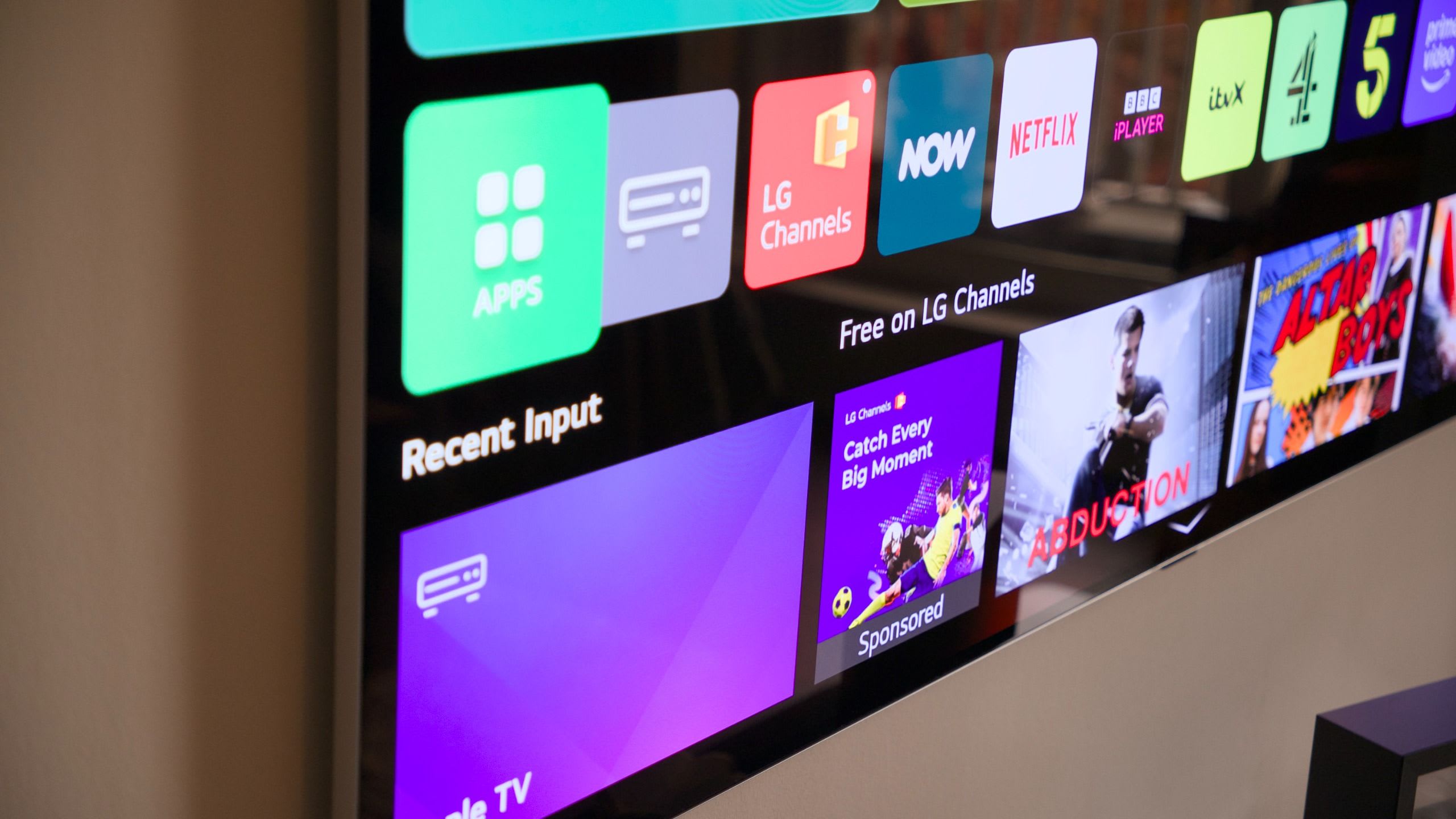
LG has issued a formal rebuttal to allegations from tech researchers regarding unauthorized data collection and audio recording on its smart TVs. While the company maintains that wake-word processing occurs locally, the incident underscores rising consumer anxiety over privacy in the IoT era.
The Privacy Paradox: LG Faces Scrutiny Over Smart TV Data Practices
Recent investigations led by technology outlets Gamers Nexus, Level1Techs, and independent security researchers have ignited a firestorm regarding the privacy standards of LG smart TVs. The allegations, which include claims that these devices engage in constant data logging, unauthorized audio recording, and persistent network scanning even while in standby mode, have prompted a swift defensive response from the manufacturer. As smart TVs become the central hubs of modern home entertainment, the line between helpful connectivity and invasive surveillance continues to blur.
LG’s Defense and the Semantics of Data Collection
In response to these claims, LG has publicly denied that its TVs are engaged in continuous audio monitoring or unauthorized data transmission. The company’s statement emphasizes that wake-word detection is processed locally on the hardware, aiming to reassure users that their private conversations are not being broadcast to corporate servers. However, critics have pointed out that the language used in these denials—specifically the word "continuously"—leaves significant room for interpretation regarding the frequency and nature of intermittent data sampling.
The Technical Basis of the Allegations
At the core of the controversy is a two-hour investigative video from Gamers Nexus, which alleged that LG TVs were operating at a scale involving millions of units, effectively functioning as data-gathering nodes. The report highlighted findings that the devices were scanning local area networks and sampling audio inputs. LG has countered by characterizing these network scans as standard operating procedures for modern media devices, which require discovery protocols to communicate with other smart home hardware, rather than malicious snooping.
Broader Implications for the Smart Home Ecosystem
This incident highlights a growing tension between manufacturers and privacy-conscious consumers. As hardware becomes more "intelligent," the reliance on telemetry to improve user experience often conflicts with the right to digital privacy. Consumers are increasingly wary of the "always-on" nature of smart appliances, and the Gamers Nexus findings serve as a catalyst for a broader industry conversation about transparency in data collection practices.
Historical Context and Industry Trends
This is not the first time a major television manufacturer has faced scrutiny over data harvesting. Throughout the last decade, as Smart TVs evolved from simple displays into data-hungry advertising platforms, concerns regarding Automatic Content Recognition (ACR) and user tracking have become commonplace. As these devices continue to integrate more deeply into our domestic lives, the demand for granular privacy controls and "opt-out" features will likely become a primary competitive differentiator for tech companies moving forward.
Conclusion: The Need for Radical Transparency
While LG maintains that the recent media coverage relies on misconceptions, the intensity of the public reaction suggests that the era of "black box" data collection is coming to an end. For the smart home industry to regain consumer trust, manufacturers must provide clearer documentation on what data is collected, why it is necessary, and how it is secured. Until then, the debate over whether our televisions are tools for entertainment or instruments of surveillance will remain a critical point of contention in the tech landscape.