Twenty five states sue Trump administration over latest global tariffs
Source Entity
US Top News and Analysis
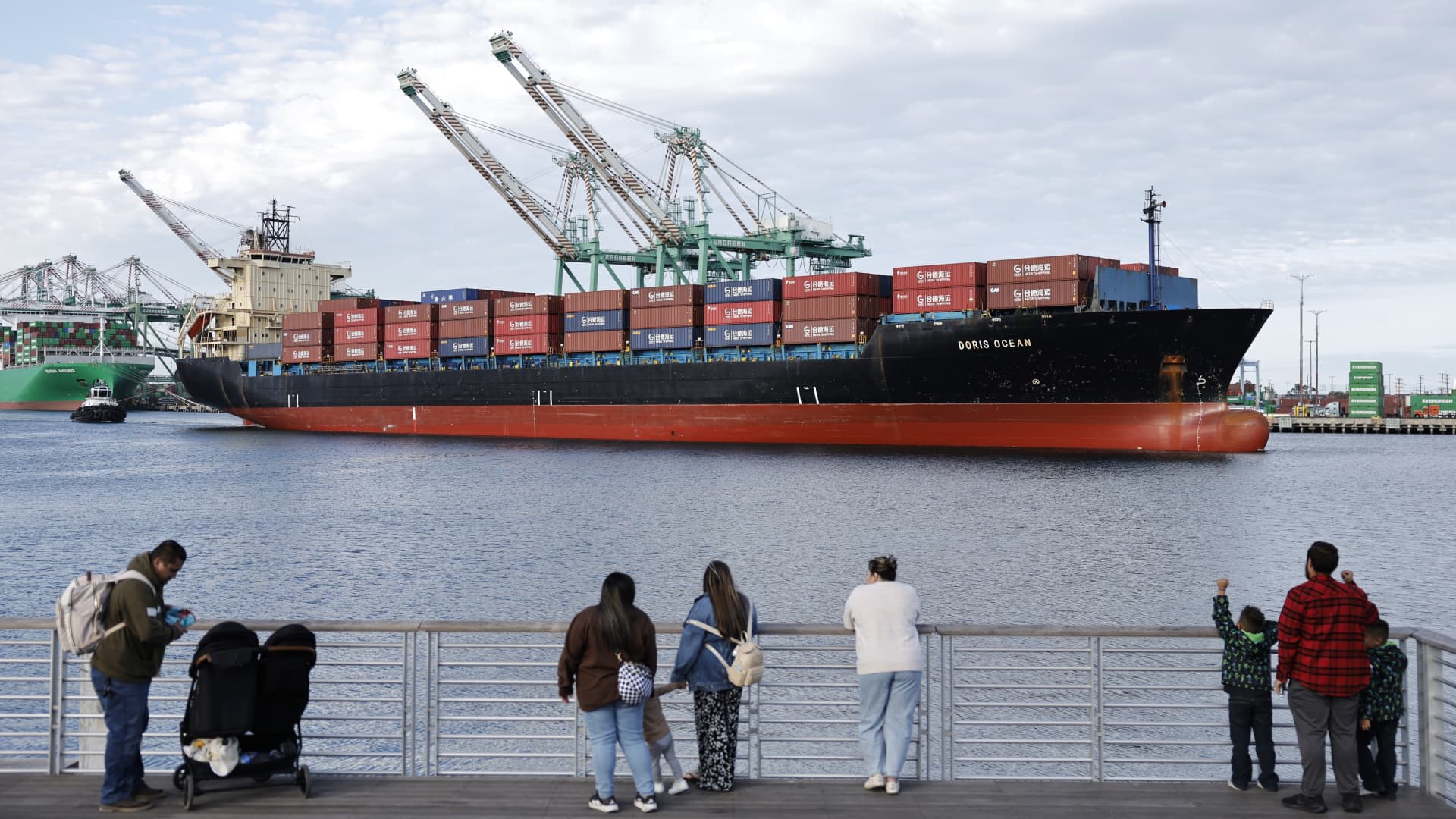
A coalition of 25 Democratic-led US states has filed a lawsuit against the Trump administration to block new 10-12.5% tariffs on 60 trading partners. The states argue these levies are an illegal attempt to bypass a prior Supreme Court ruling.
Legal Challenge Against Sweeping Trade Tariffs
A significant legal battle has erupted between the Trump administration and a coalition of 25 Democratic-led U.S. states following the imposition of new tariffs ranging from 10% to 12.5% on goods from 60 trading partners. The lawsuit, filed in the U.S. Court of International Trade, characterizes these trade barriers as an unlawful maneuver designed to replace import taxes previously struck down by the U.S. Supreme Court in February.
The Scope of the Tariffs
According to the legal filing, the scale of these tariffs is unprecedented, covering approximately 99.4% of all U.S. imports. The inclusion of major trading partners, such as India and the European Union, highlights the global reach of this economic policy. The states argue that the administration is essentially attempting to revive rejected taxation strategies, which they contend places an undue financial burden on American families and domestic businesses.
Administration Justification vs. Legal Claims
The Trump administration has defended the move by citing concerns over the use of forced labor in the manufacturing processes of the affected countries. Officials argue that these nations have failed to implement sufficient safeguards to prevent such practices, necessitating federal intervention. However, the plaintiff states argue that the administration is exceeding its executive authority, framing the tariffs not as a genuine human rights tool, but as a circumvention of the judiciary’s recent rebuke.
Implications for International Trade
This confrontation signals a deepening divide regarding the limits of executive power in trade policy. By targeting nearly the entirety of U.S. import volume, the administration has effectively restructured the landscape of global commerce. If the court rules in favor of the states, it would not only halt the collection of these duties but could also lead to massive refund obligations for taxes already gathered, creating significant fiscal uncertainty for the federal government.
Future Trends and Judicial Oversight
The outcome of this case will likely set a critical precedent for how far an administration can go in deploying trade tariffs as a tool of foreign policy after previous attempts have been invalidated by the courts. As the case proceeds in the Court of International Trade, observers will be watching to see if the judiciary maintains its stance on the limits of executive authority or if it grants the administration broader latitude in the name of international labor standards.
Conclusion
In summary, the lawsuit represents a major constitutional clash regarding the separation of powers and the protection of international trade flows. With the states seeking to have the tariffs declared unlawful and demanding refunds, the judiciary’s decision will have long-term consequences for both U.S. consumer prices and the nation’s diplomatic relations with major economic partners.