Why Prashant Kishor’s Bankipur win may force Opposition into a rethink
Source Entity
Manoj C G
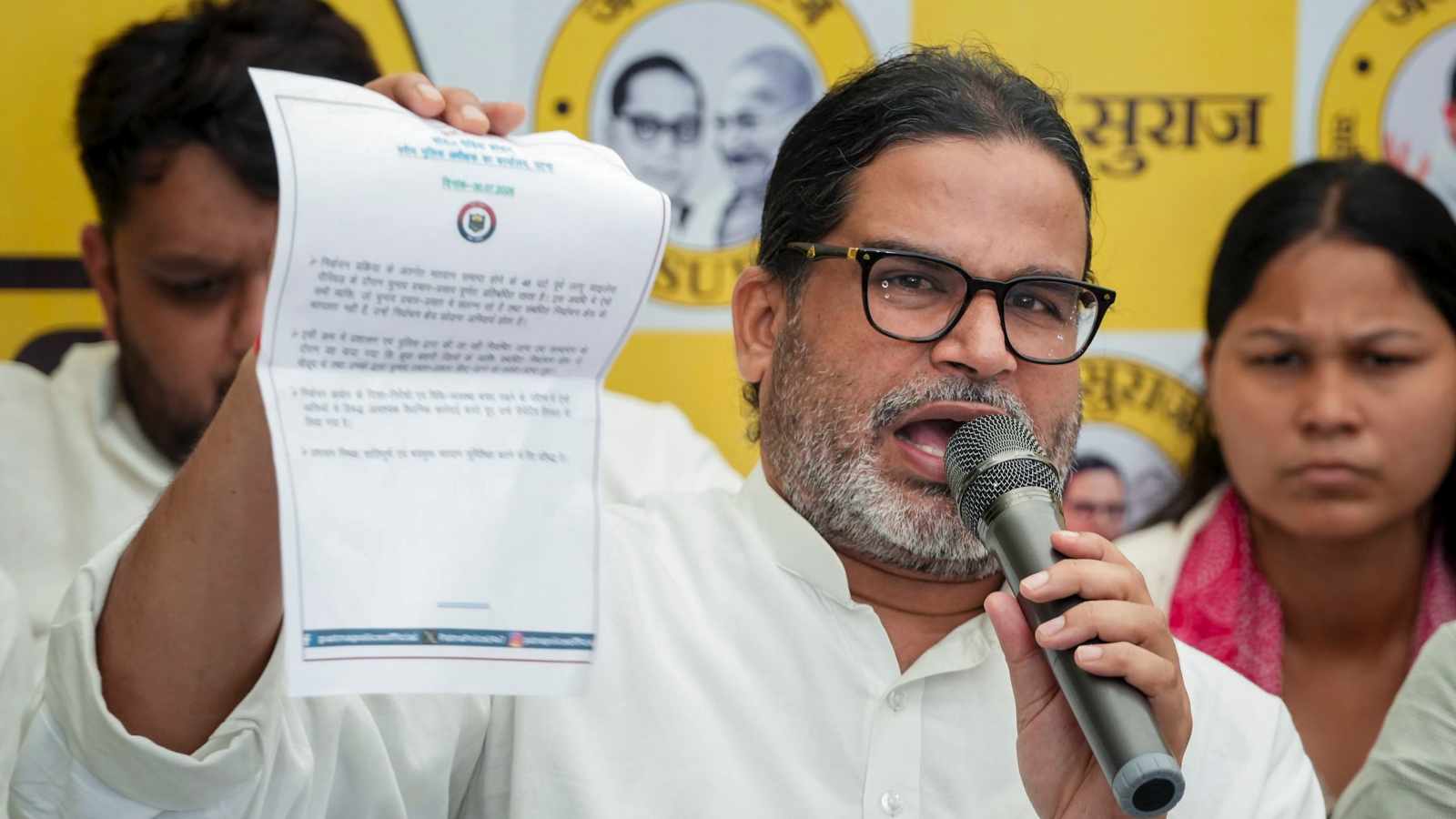
Prashant Kishor's Jan Suraaj Party is poised to secure a historic victory in the BJP stronghold of Bankipur. These by-election results across three states signal potential shifts in voter sentiment following widespread student protests.
The Significance of the Bankipur Bypoll Upset
The current by-election cycle represents a critical political juncture in India, serving as the first major electoral test following the nationwide student protests over examination paper leaks. These protests have highlighted deep-seated anxieties among the youth regarding employment, governance, and institutional integrity. As the counting of votes progresses, the electoral trends suggest that these frustrations may be manifesting at the ballot box, challenging the status quo in long-standing political strongholds.
The Erosion of a BJP Bastion
The most striking development is the performance of Prashant Kishor’s Jan Suraaj Party in Bankipur, Bihar. Historically, the Bankipur seat has been a fortress for the BJP, which has held the constituency consistently since its formation in 2008, never securing less than 59 percent of the total vote. The fact that the BJP is currently facing a significant deficit—with Kishor leading by nearly 15,000 votes—marks a seismic shift in Bihar’s political landscape, especially given the NDA’s sweeping success in the state just nine months ago.
Analyzing the Jan Suraaj Factor
Prashant Kishor, formerly a prominent political strategist, has transitioned into an active political leader with the Jan Suraaj Party. This victory, if finalized, is particularly notable because his party failed to secure any seats in the previous Bihar assembly elections. The ability to flip a seat that has been a reliable BJP stronghold suggests a sophisticated mobilization strategy that resonates with voters who were previously aligned with the ruling party or were perhaps disillusioned by the recent national discourse surrounding systemic failures.
Broader Implications for the Opposition
While the BJP faces potential losses in two out of the three states currently holding by-elections, analysts are cautious about framing this as a definitive win for the traditional Opposition. The trends indicate that while the incumbent party is losing ground, the vacuum created is not necessarily being filled by the traditional opposition coalitions. This points to a more fragmented electoral environment where independent entities or new political movements can disrupt traditional power dynamics.
The Youth Vote and Future Trends
Moving forward, these results will likely force a re-evaluation of campaign strategies across the political spectrum. The influence of the 'student protest' sentiment cannot be understated; it represents a demographic shift where younger voters are increasingly prioritizing governance outcomes over traditional party loyalty. If this trend continues, political parties will need to pivot away from conventional rhetoric and address the specific grievances of the youth, particularly regarding education and job security, to remain competitive in future cycles.
Conclusion
The unfolding results in Bankipur, Manjalpur, and Datia serve as a barometer for the nation's political temperature. Whether this represents a permanent realignment or a temporary protest vote remains to be seen. However, the success of a debutant leader like Prashant Kishor in a seat previously considered 'unwinnable' for others underscores that the Indian electorate is becoming increasingly dynamic and less susceptible to the inertia of past political trends.