450,000 defrauded student loan borrowers are eligible for debt forgiveness — here's who qualifies
Source Entity
US Top News and Analysis
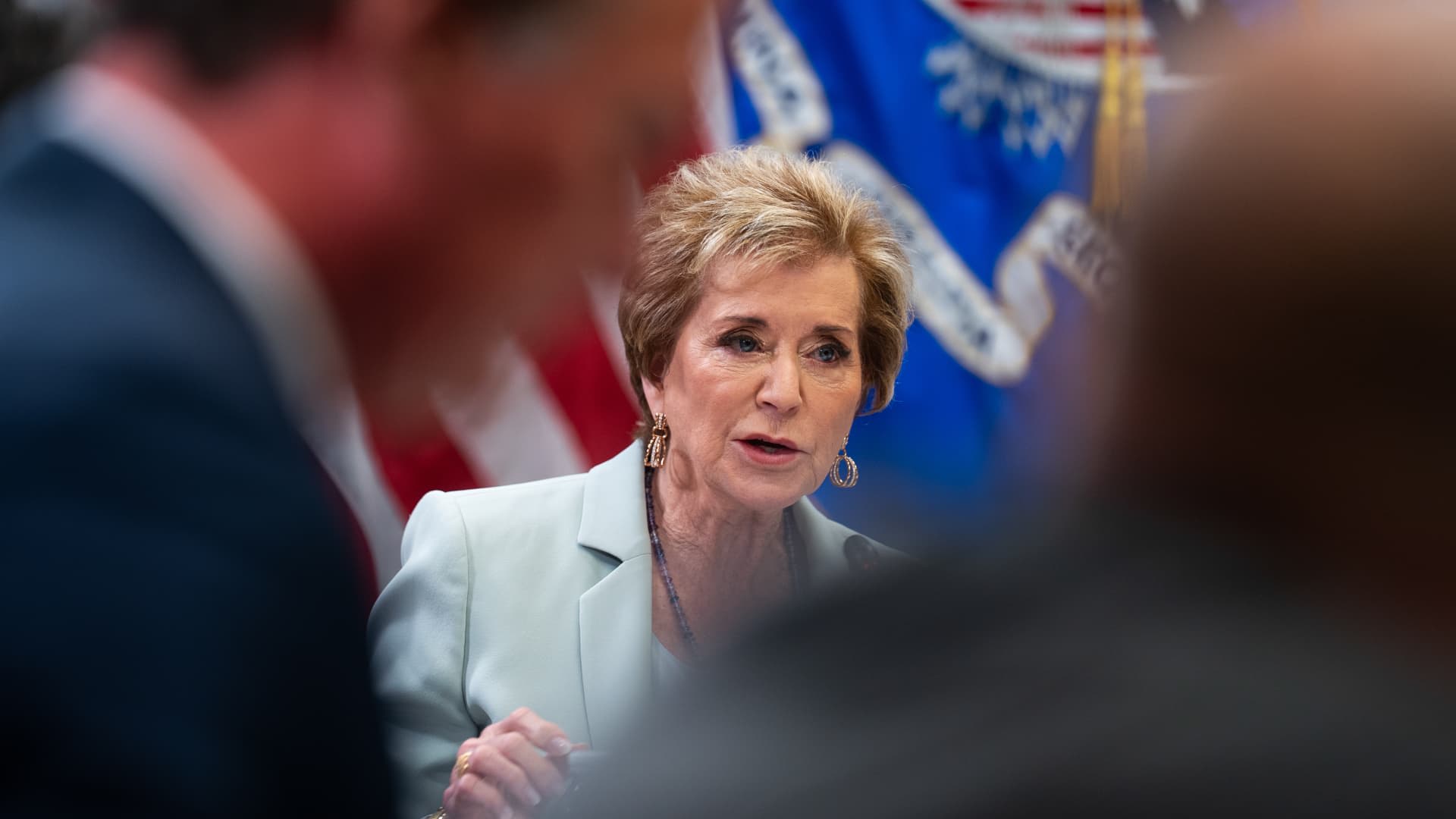
A $23 billion class-action settlement is providing debt relief to 450,000 student loan borrowers who were misled by their schools. The initiative centers on the Borrower Defense program, which excuses debt for students defrauded by educational institutions.
The $23 Billion Student Loan Settlement: A Turning Point for Borrower Defense
Understanding the Scope of the Settlement
The recent announcement regarding 450,000 student loan borrowers highlights a landmark $23 billion class-action settlement aimed at rectifying systemic issues within the U.S. higher education lending landscape. This massive financial resolution serves as a mechanism to provide relief to individuals who were misled by their respective educational institutions, effectively validating claims that these borrowers were victims of deceptive practices rather than simple financial mismanagement.
The Role of Borrower Defense
At the core of this settlement is the 'Borrower Defense' program, a critical federal protection designed to excuse the federal student loan debt of borrowers who were defrauded by their schools. This program serves as a safety net, ensuring that students are not left with the burden of debt incurred under false pretenses, such as misrepresented job placement statistics or inflated salary expectations. The current settlement underscores the government's responsibility to uphold these protections when institutional misconduct is identified.
Legal Challenges and Administrative Delays
The path to this relief has been fraught with legal and administrative friction. Plaintiffs in the class-action suit argued that the Trump administration had actively delayed the processing of relief claims to which they were legally entitled. This tension culminated in a significant federal appeals court ruling in late July, which denied a request by Trump-era officials to further postpone decisions on these pending claims, thereby clearing the way for the settlement to proceed.
Institutional Accountability and Oversight
This settlement underscores a broader trend of increasing scrutiny on for-profit and vocational schools that have historically been the primary subjects of Borrower Defense claims. By mandating a $23 billion payout, the federal government is signaling that it will no longer tolerate institutions that prioritize enrollment numbers over educational integrity. This move forces higher education providers to align their marketing and recruitment practices with federal standards, or face severe financial repercussions.
Future Implications for Student Loan Policy
Looking ahead, the successful implementation of this settlement could set a precedent for how the Department of Education handles future claims of institutional fraud. It establishes a roadmap for collective legal action against the government when administrative processes stall, potentially discouraging future administrations from delaying relief programs. As the Department of Education continues to navigate the complexities of student debt, the focus will likely remain on balancing fiscal responsibility with the protection of student interests.
Conclusion
The $23 billion settlement represents a significant victory for hundreds of thousands of borrowers who have long awaited resolution. By reinforcing the Borrower Defense program and overcoming administrative hurdles, this development not only provides immediate relief to those affected but also strengthens the regulatory framework intended to protect students from predatory educational practices.