State Flag, Mandatory Tamil: Vijay's Minister Sparks Controversy With Fresh Remark
Source Entity
NDTV News Search Records Found 1000
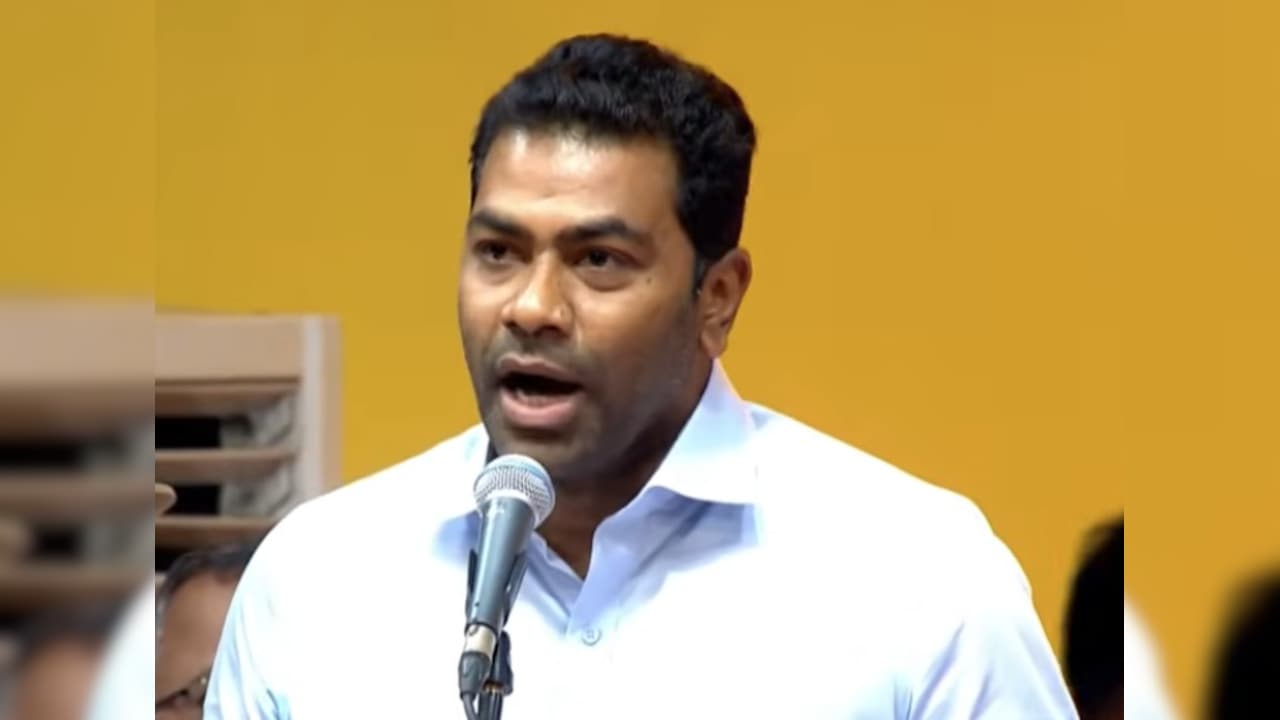
Aadhav Arjuna, a key figure in actor-politician Vijay's party, has sparked debate by advocating for mandatory Tamil language instruction in schools. This proposal aligns with the party's regional identity focus but invites scrutiny regarding educational policy and linguistic nationalism.
The Language Debate: Tamil Identity in Education
Recent statements by Aadhav Arjuna, a prominent figure associated with actor-politician Vijay’s newly formed political entity, have ignited a fresh discourse on the role of the Tamil language within the state's educational framework. By asserting that the Tamil language should be mandatory in schools, Arjuna has touched upon a sensitive and historically significant nerve in regional politics. This proposal is not merely an educational suggestion but a strategic move to reinforce a specific cultural identity that has long been central to the political narrative in Tamil Nadu.
Historical Context of Linguistic Nationalism
The history of Tamil Nadu is deeply intertwined with linguistic pride and movements that sought to protect the language from perceived external dominance. The 'Anti-Hindi agitation' of the mid-20th century serves as the bedrock for modern political discourse in the state, where language is often equated with self-respect and regional autonomy. By pushing for mandatory Tamil education, Arjuna is tapping into this established sentiment, aiming to consolidate the party's base by signaling a commitment to the preservation of local heritage.
The Intersection of Cinema and Politics
Vijay’s entry into the political arena is a significant development, given his immense popularity as a cinematic icon. In Tamil Nadu, the transition from the silver screen to political leadership is a well-trodden path, with figures like M.G. Ramachandran and J. Jayalalithaa setting precedents. By having a key associate like Aadhav Arjuna vocalize a strong stance on cultural policy, the party is effectively using its platform to demonstrate a clear ideological direction that differentiates it from established political heavyweights.
Educational Implications and Challenges
While the call for mandatory Tamil instruction appeals to linguistic preservationists, it also presents complex logistical and policy challenges. The modern educational landscape in Tamil Nadu is diverse, encompassing various state and central boards that operate under different curricula. Implementing a mandatory language policy requires navigating the balance between promoting regional identity and ensuring that students remain competitive in a globalized economy where proficiency in multiple languages is often a prerequisite for professional success.
Broader Political Implications
This controversy serves as a litmus test for how the new party intends to balance populist rhetoric with governance. By championing a cause that resonates with the core demographic, the party is positioning itself as a defender of state interests. However, such stances also invite scrutiny from critics who argue that education policy should prioritize pedagogical flexibility over political symbolism. The coming months will likely see further debate on how this proposal aligns with the party's broader vision for the state.
Future Trends and Outlook
Moving forward, the conversation surrounding language policy in Tamil Nadu will likely remain a focal point of political maneuvering. As the party continues to build its platform, the ability to translate these cultural stances into actionable policy will determine its electoral viability. For now, the call for mandatory Tamil education acts as a rallying cry, setting the stage for a broader discussion on the party's stance on state autonomy, educational reform, and the preservation of regional identity in an increasingly integrated national landscape.
Verification Required?