NTK cadre want Seeman to seek AIADMK, DMK support for Ambasamudram byelection
Source Entity
India Latest News: Top National Headlines Today & Breaking News | The Hindu
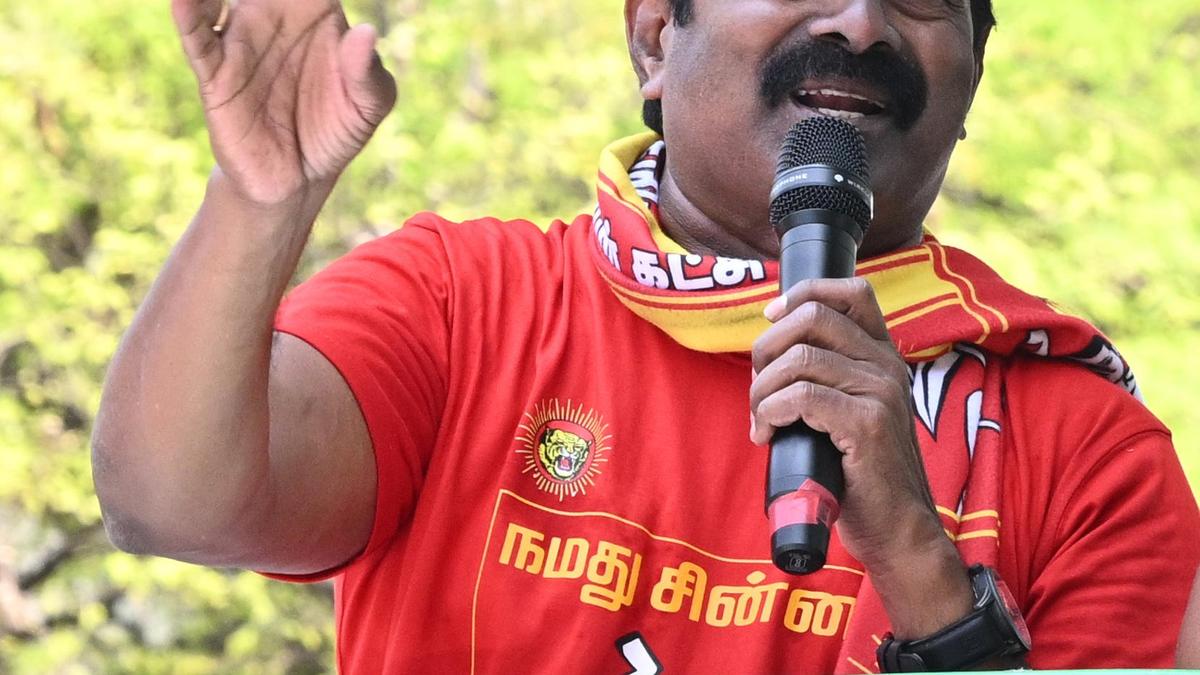
NTK cadre are pressuring leader Seeman to seek support from the DMK and AIADMK for the upcoming Ambasamudram bypoll. While the move is intended to secure a victory, Seeman has resisted, citing the party's core ideological opposition to these established political forces.
The Political Dilemma: NTK’s Strategic Crossroads
The Naam Tamilar Katchi (NTK), led by chief coordinator Seeman, currently finds itself at a significant political crossroads regarding the upcoming Ambasamudram Assembly by-election. Following a performance in the recent Assembly elections that failed to meet internal expectations, the party leadership is grappling with how to revitalize its electoral prospects. The decision by Seeman to contest the by-poll has been framed as a bold maneuver, intended to re-energize the party cadre and re-establish the NTK's presence in the legislative discourse.
Internal Pressure vs. Ideological Consistency
Within the party ranks, a faction of senior office-bearers has begun advocating for a pragmatic, albeit controversial, strategy: seeking the support of the Dravida Munnetra Kazhagam (DMK) and the All India Anna Dravida Munnetra Kazhagam (AIADMK) to field Seeman as a "common candidate." Proponents of this view argue that such an alliance could consolidate enough support to ensure a win, potentially altering the party's trajectory after its recent setbacks. This internal pressure highlights the tension between the desire for immediate electoral success and the long-term identity of the party.
Seeman’s Ideological Stance
Seeman has consistently pushed back against these suggestions, maintaining that such an alliance would fundamentally undermine the NTK’s core political philosophy. The NTK was founded on a platform that explicitly critiques the entrenched Dravidian politics of both the DMK and the AIADMK. By accepting support from these traditional powerhouses, the party would effectively be abandoning the very "third-front" narrative that defines its political existence. Seeman’s refusal to engage with these parties underscores his commitment to maintaining the party's ideological purity, even at the cost of immediate electoral convenience.
The Broader Implications of 'Common Candidate' Politics
If the NTK were to pursue the support of the DMK or AIADMK, it would represent a seismic shift in Tamil Nadu’s political landscape. For years, the NTK has positioned itself as the sole alternative to the established binary of Dravidian politics. Seeking aid from these parties would not only confuse the party's voter base but also invite criticism from political rivals who have long questioned the NTK’s independence. This debate serves as a microcosm of the challenges faced by smaller, ideologically driven parties as they attempt to transition from protest movements into viable legislative contenders.
Future Trends and Electoral Strategy
Looking forward, the outcome of this internal debate will likely determine the future strategic direction of the NTK. If Seeman continues to reject the idea of external support, the party must find ways to mobilize its base without compromising its rhetoric. Conversely, if the pressure from office-bearers continues to mount, the party may face an existential crisis, forcing a choice between political relevance through compromise or ideological isolation. The Ambasamudram by-election, therefore, acts as a litmus test for the party’s resilience and its ability to balance internal dissent with its public-facing political identity.
Verification Required?