Ten years later, ‘Pokémon Go to the polls’ still haunts the internet
Source Entity
Amanda Silberling
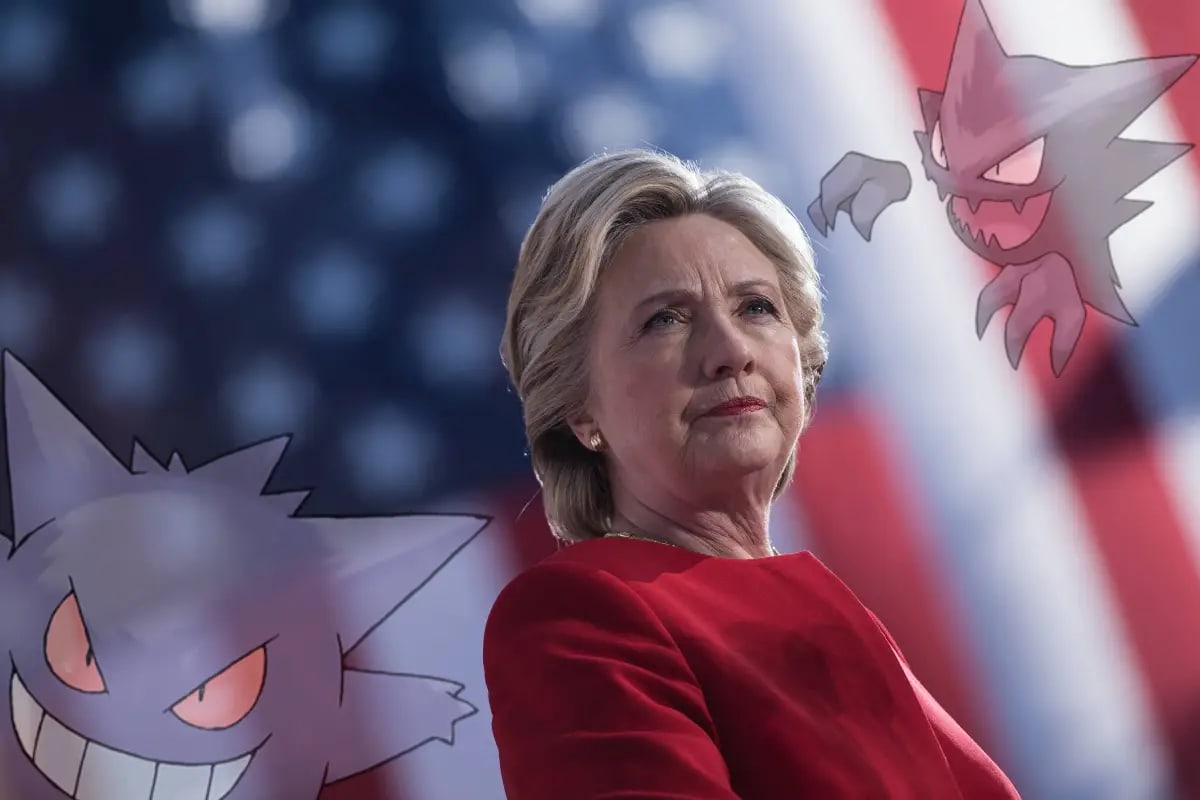
Hillary Clinton’s 2016 'Pokémon Go to the polls' remark remains a lasting symbol of the disconnect between traditional political outreach and digital culture. Ten years later, the phrase has evolved into a recurring meme representing both the evolution of technology and the persistent cynicism of modern voters.
The Legacy of a Digital Gaffe
In the final stretch of the 2016 U.S. presidential election, Hillary Clinton attempted to bridge the gap between traditional campaigning and the burgeoning mobile gaming phenomenon of the era. Speaking at a rally in Virginia, she famously remarked, “I don’t know who created Pokémon Go, but I’m trying to figure out how we get them to have Pokémon Go to the polls.” This attempt to leverage pop culture for voter mobilization was intended to sound forward-thinking, yet it quickly became an iconic example of a political misstep, highlighting the awkward intersection of legacy political messaging and the rapidly shifting digital landscape.
The Shifting Landscape of Technology
Reflecting on this moment a decade later, the technological environment has undergone a seismic shift. In 2016, the focus was on the nascent growth of app development and the potential for mobile technology to influence civic participation. Today, the development landscape has transitioned from manual coding to AI-driven automation, fundamentally altering how digital tools are conceived and deployed. The evolution of Pokémon Go itself serves as a case study in global capital shifts; the game is now under the ownership of a company controlled by Saudi Arabia’s sovereign wealth fund, illustrating how the digital properties of the early 2010s have been absorbed into massive, state-backed investment portfolios.
Political Irony and Voter Sentiment
For many, the “Pokémon Go to the polls” line remains a haunting reminder of the disconnect that often exists between political elites and the youth demographic they seek to capture. The phrase has transcended its original context to become a meme, serving as an irony-shrouded rallying cry for jaded young voters. It encapsulates the frustration of a generation that has watched political discourse remain stagnant while the tools of the digital age—and the world at large—have changed beyond recognition.
The Persistence of Digital Culture
It is striking that, despite the rapid acceleration of artificial intelligence and the changing ownership of the very technology Clinton referenced, the meme itself remains a persistent feature of the political internet. Its longevity suggests that it serves as a shorthand for the perceived failure of political figures to genuinely connect with the evolving realities of their constituents. The meme acts as a cultural anchor, reminding observers that while the mechanisms of power and technology are fluid, the performative nature of political outreach often feels trapped in a cycle of repetition.
Looking Forward to the Future of Participation
As the United States faces another critical Election Day ten years later, the lessons of this moment remain relevant. The attempt to gamify civic duty was a harbinger of the modern era where attention is the most valuable commodity. However, as political communication becomes increasingly automated and globalized, the challenge for candidates is no longer just finding the right "app" to reach voters, but establishing a authentic connection that survives the scrutiny of a cynical, digitally-native electorate. The “Pokémon Go to the polls” moment stands as a permanent fixture in the history of American political communication, a testament to the risks of chasing trends in a rapidly changing world.