'Unfair To Target Punjab Farmers': Delhi Air Pollution Triggers AAP vs BJP
Source Entity
NDTV News Search Records Found 1000
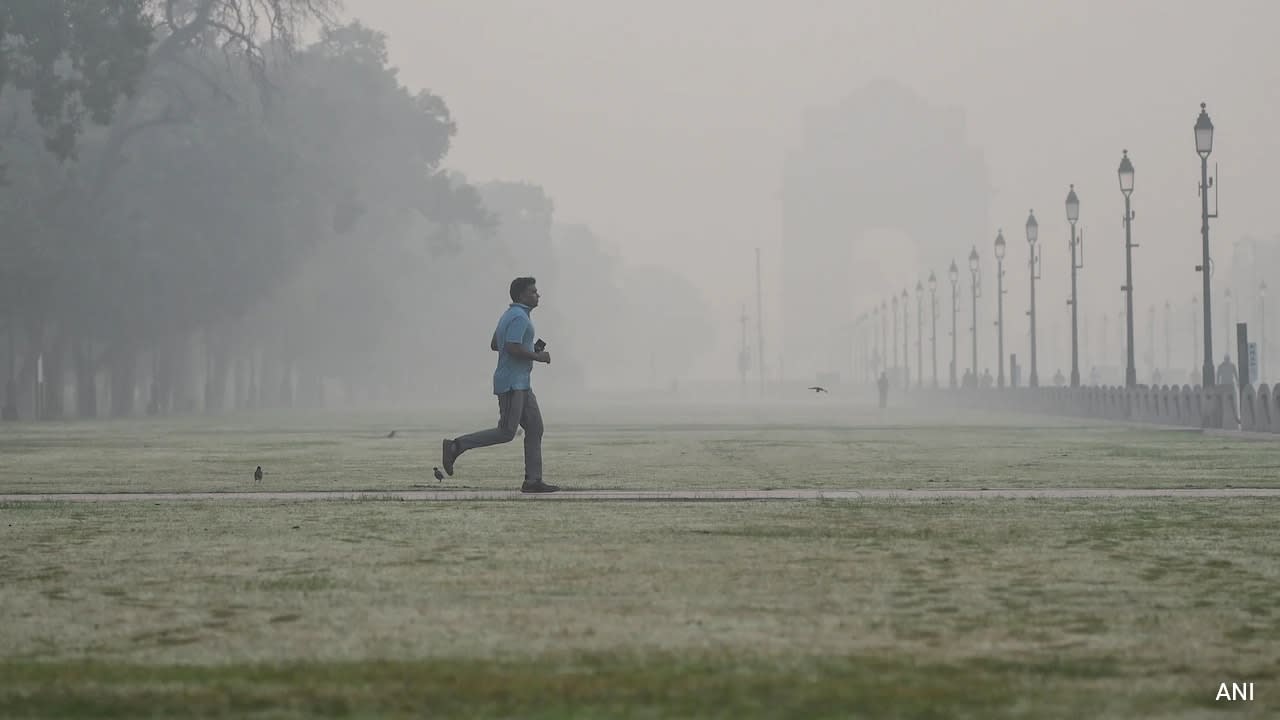
The AAP and BJP are clashing over the causes of Delhi's worsening air quality. While the AAP argues that pollution stems from multiple factors, the debate highlights the ongoing political friction regarding farm fires in Punjab.
The Political Tug-of-War Over Delhi's Air Quality
Delhi’s recurring air pollution crisis has once again become the epicenter of a heated political confrontation between the Aam Aadmi Party (AAP) and the Bharatiya Janata Party (BJP). As winter approaches and air quality indices in the national capital begin to deteriorate, the blame game has intensified, with both parties accusing the other of administrative failures and policy negligence. This latest dispute centers on the narrative surrounding the sources of pollution, specifically the role of crop residue burning in neighboring states.
The AAP’s Stance on Multi-Factor Causality
The Aam Aadmi Party has maintained a consistent defense, asserting that it is unfair to exclusively target Punjab farmers for the capital's smog. According to the party, the deteriorating air quality is a result of a complex interplay of several factors rather than a single source. By emphasizing a multifaceted approach to the problem, the AAP seeks to shift the focus toward urban infrastructure, vehicular emissions, and industrial pollution, arguing that a narrow focus on farm fires ignores the broader environmental challenges faced by the region.
The BJP’s Critique and Regional Accountability
Conversely, the BJP has utilized the deteriorating air quality to criticize the governance models in states where the AAP holds power, specifically Punjab. The BJP’s narrative often highlights the impact of stubble burning on Delhi’s air, suggesting that the lack of effective intervention in Punjab is a primary driver of the seasonal smog. This political posturing reflects a long-standing tension where national environmental health is often filtered through the lens of state-level political rivalries.
Historical Context and Policy Challenges
The issue of air pollution in North India is deeply rooted in historical agricultural practices and rapid urbanization. For years, the practice of stubble burning has been identified as a significant contributor to the hazardous air quality during the post-harvest season. However, finding a viable, economically sustainable solution for farmers remains a massive policy hurdle. The ongoing friction between the AAP and BJP underscores the difficulty of implementing a unified, cross-state environmental policy in a highly charged political atmosphere.
Broader Implications and Future Trends
Looking ahead, the politicization of air quality is likely to persist as long as the crisis remains an annual occurrence. The trend suggests that as pollution levels rise, public pressure will force both parties to move beyond rhetoric toward more concrete, collaborative solutions. If the parties continue to focus on finger-pointing rather than systemic reform—such as providing better technological alternatives to farmers or stricter enforcement of emission standards—the cycle of seasonal health crises will continue unabated. The challenge remains to decouple environmental science from electoral strategy to ensure the health of millions living in the National Capital Region.
Verification Required?