Andhra civic poll results do not reflect people’s mandate, alleges Congress chief Y.S. Sharmila
Source Entity
India Latest News: Top National Headlines Today & Breaking News | The Hindu
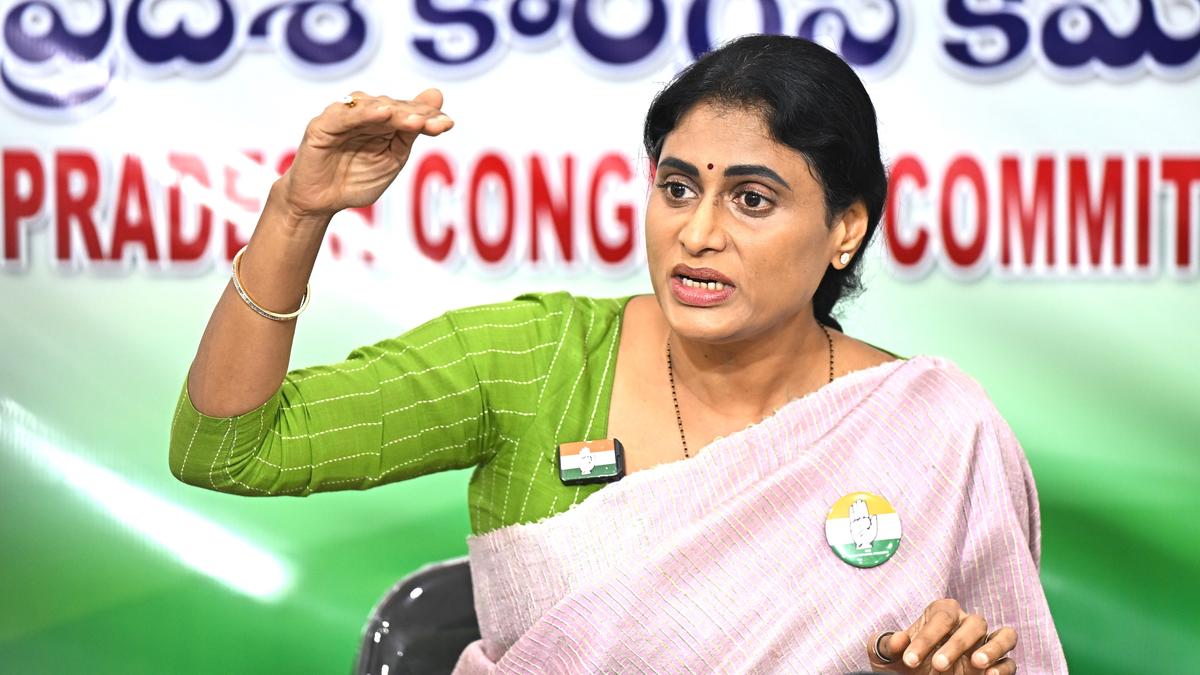
Andhra Pradesh Congress President Y.S. Sharmila has alleged widespread electoral malpractice in recent urban local body elections. She claims the ruling TDP-led alliance manipulated the results through intimidation and misuse of state machinery.
Allegations of Electoral Malpractice in Andhra Pradesh
Andhra Pradesh Congress Committee President Y.S. Sharmila has launched a scathing critique of the state’s recently concluded urban local body elections, alleging that the results fail to reflect the genuine mandate of the electorate. In a public statement issued on November 4, 2026, Ms. Sharmila characterized the electoral process as compromised, asserting that the ruling TDP-led alliance engaged in systemic coercion and the calculated misuse of official machinery to secure victory.
The Erosion of Democratic Integrity
At the heart of Ms. Sharmila’s allegations is the claim that the ruling coalition leveraged police power and administrative influence to suppress opposition voices. By questioning the credibility of the election process, the Congress chief has highlighted a growing concern regarding the sanctity of grassroots democracy in the state. She posits that when the ruling party dictates the outcome of local polls through intimidation, the fundamental principle of a free and fair election is rendered obsolete.
Questioning the Mandate
The central argument presented by the Congress leadership is that the declared victory of the alliance is a manufactured result rather than a reflection of public choice. Ms. Sharmila’s rhetoric emphasizes a deep-seated suspicion that the administrative apparatus has been weaponized to bypass the will of the voters. This narrative suggests that the electoral process has been reduced to a formality where the outcome is predetermined, effectively stripping the public of their democratic agency.
Implications for Political Accountability
Beyond the immediate electoral results, these accusations raise significant questions about the state of democratic accountability in Andhra Pradesh. If allegations of 'self-declared' victories are left unaddressed by oversight bodies, it may lead to a permanent erosion of public trust in the institutional frameworks tasked with conducting elections. The demand for transparency is not merely a political tactic but a call to restore the legitimacy of the ballot box in local governance.
Future Trends and Political Tensions
Looking forward, this confrontation is likely to escalate tensions between the Congress party and the ruling TDP-led alliance. As the opposition continues to challenge the validity of these results, the discourse surrounding 'electoral transparency' will likely remain a dominant theme in the state’s political landscape. Whether these allegations lead to formal investigations or serve to mobilize the opposition base remains a critical point of development in the coming months.
Conclusion
In summary, the claims made by Y.S. Sharmila represent a severe challenge to the perceived integrity of the urban local body elections in Andhra Pradesh. By framing the results as a product of malpractice and intimidation, the Congress party has signaled a confrontational stance that highlights the fragility of democratic processes when confronted with the potential misuse of state power.
Verification Required?