Did Vivek Ramaswamy 'shoot himself in the foot'? Why Ohio may have rejected him
Source Entity
NATASHA SINGH
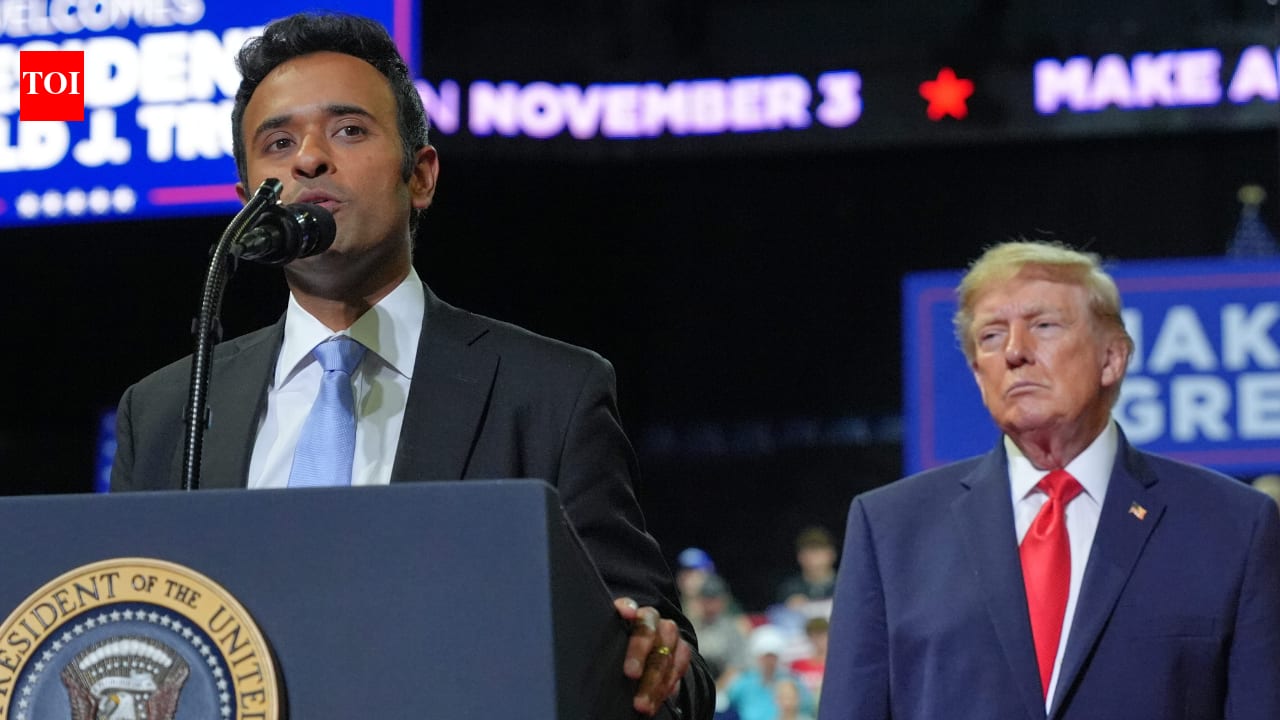
Vivek Ramaswamy's presidential campaign faced significant hurdles in his home state of Ohio. Analysts are examining whether his political strategies and messaging alienated his local constituency.
The Political Hurdles of Vivek Ramaswamy in Ohio
Analyzing the Home-State Dynamic
The question of whether Vivek Ramaswamy 'shot himself in the foot' during his presidential campaign is a matter of significant political discourse, particularly regarding his performance in his home state of Ohio. In American politics, a candidate’s ability to secure their base at home is often viewed as a bellwether for their broader appeal. When a candidate struggles to resonate within their own constituency, it frequently raises questions about the efficacy of their messaging and campaign strategy.
Strategy and Messaging Pitfalls
Ramaswamy, a political outsider who gained national attention through a vigorous and unconventional campaign, may have faced unique challenges in Ohio. Political analysts often point out that while a populist message can be highly effective on a national stage, it must also bridge the gap with the specific socio-economic concerns of the local electorate. If the campaign’s rhetoric failed to align with the traditional expectations or specific priorities of Ohio voters, it likely contributed to the perception that the campaign lacked a solid foundation in its home territory.
The Impact of Political Positioning
Throughout his run, Ramaswamy utilized a strategy centered on disruption and ideological clarity. While this approach successfully energized a segment of the national GOP, it may have been perceived differently by Ohio voters who are accustomed to more conventional political engagement. The 'shooting himself in the foot' narrative suggests that certain policy stances or confrontational debate styles may have inadvertently alienated moderate or establishment-aligned voters who are crucial for winning in a swing state like Ohio.
Historical Context of Outsider Candidates
Historically, candidates who emerge from the private sector to run for high office often struggle with the transition from business leadership to political coalition-building. Unlike traditional politicians who spend years cultivating local relationships, outsiders often rely on media presence. In Ohio, where institutional support and local endorsements historically play a major role, this lack of deep-rooted political infrastructure may have created a disconnect that hindered his local success.
Future Implications and Trends
Looking forward, the challenges faced by Ramaswamy in Ohio serve as a case study for future political outsiders. The ability to balance a provocative national brand with the nuanced demands of local politics remains a critical skill. As political polarization continues to evolve, the 'home-state test' will likely remain a standard metric by which the viability of similar future campaigns is measured, highlighting the necessity of combining broad ideological appeal with localized grassroots engagement.