Analysis: How AAP's Vendetta Charge In Delhi Runs Into A Mirror In Punjab
Source Entity
NDTV News Search Records Found 1000
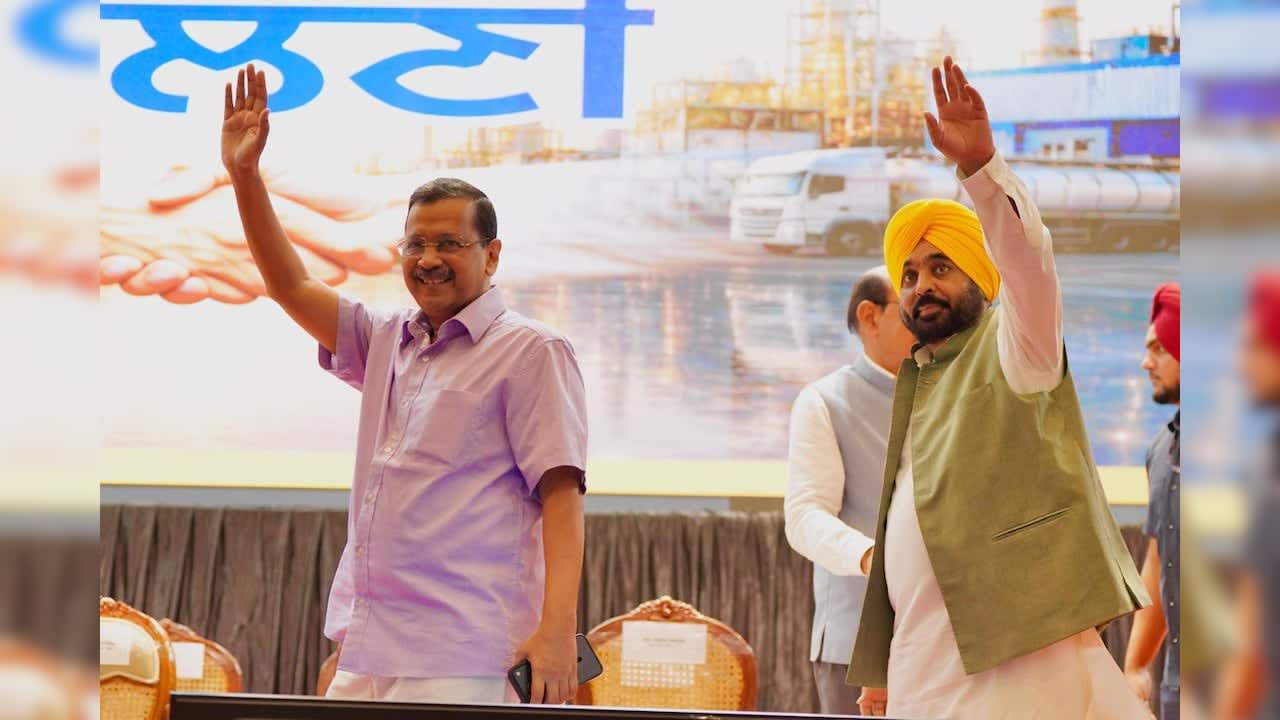
The Aam Aadmi Party and the BJP are locked in a conflicting narrative over corruption allegations. While AAP cites Satyendar Jain’s release as evidence of political vendetta, the BJP counters by highlighting active investigations in Punjab.
The Duality of Political Accountability
The political landscape in India is currently defined by a sharp, polarized clash between the Aam Aadmi Party (AAP) and the Bharatiya Janata Party (BJP). At the center of this friction is the release of AAP leader Satyendar Jain, an event that the party has framed as a definitive victory against what it terms 'political vendetta.' By characterizing the legal proceedings against their leadership as an orchestrated campaign by central agencies, AAP seeks to solidify its narrative of being a victim of institutional overreach.
The AAP Perspective: Vendetta vs. Justice
For AAP, the release of Satyendar Jain serves as a strategic rallying point. By framing the judicial developments as proof of political persecution, the party aims to maintain its moral high ground and mobilize its base. This narrative strategy is essential for the party's survival in a climate where its top leadership faces constant scrutiny. The party argues that the legal hurdles they face are not rooted in evidence-based governance failures, but rather in a coordinated effort to dismantle their political influence in the national capital.
The BJP Counter-Narrative: Corruption in Punjab
Conversely, the BJP has utilized the ongoing investigations in Punjab to pivot the conversation back to the issue of corruption. By highlighting the probes currently underway in the state where AAP holds power, the BJP is effectively attempting to mirror the accusations leveled against them. This tactic serves to undermine AAP's 'clean politics' brand, suggesting that the party is susceptible to the same systemic issues they once campaigned against during their rise to national prominence.
Historical Context and Institutional Scrutiny
This standoff is indicative of a broader trend in Indian politics where investigative agencies are frequently at the center of partisan debates. Historically, the use of state machinery to pursue political opponents has been a recurring point of contention. The current situation reflects a deepening divide where legal outcomes are interpreted through partisan lenses, making it difficult for the public to discern between legitimate oversight and political maneuvering.
Future Implications for Governance
Looking ahead, the oscillation between these two narratives will likely dominate the discourse in upcoming electoral cycles. If AAP continues to successfully frame legal challenges as vendettas, they may maintain voter loyalty; however, if the BJP’s focus on Punjab investigations gains traction, it could create significant political liabilities. The outcome of these investigations, both in Delhi and Punjab, will ultimately dictate the credibility of both parties in the eyes of the electorate, setting the stage for a high-stakes political confrontation in the months to come.
Verification Required?