Census 2027: The 14 questions and why opposition fears an NPR 'backdoor'
Source Entity
ROHITASHWA RANJAN
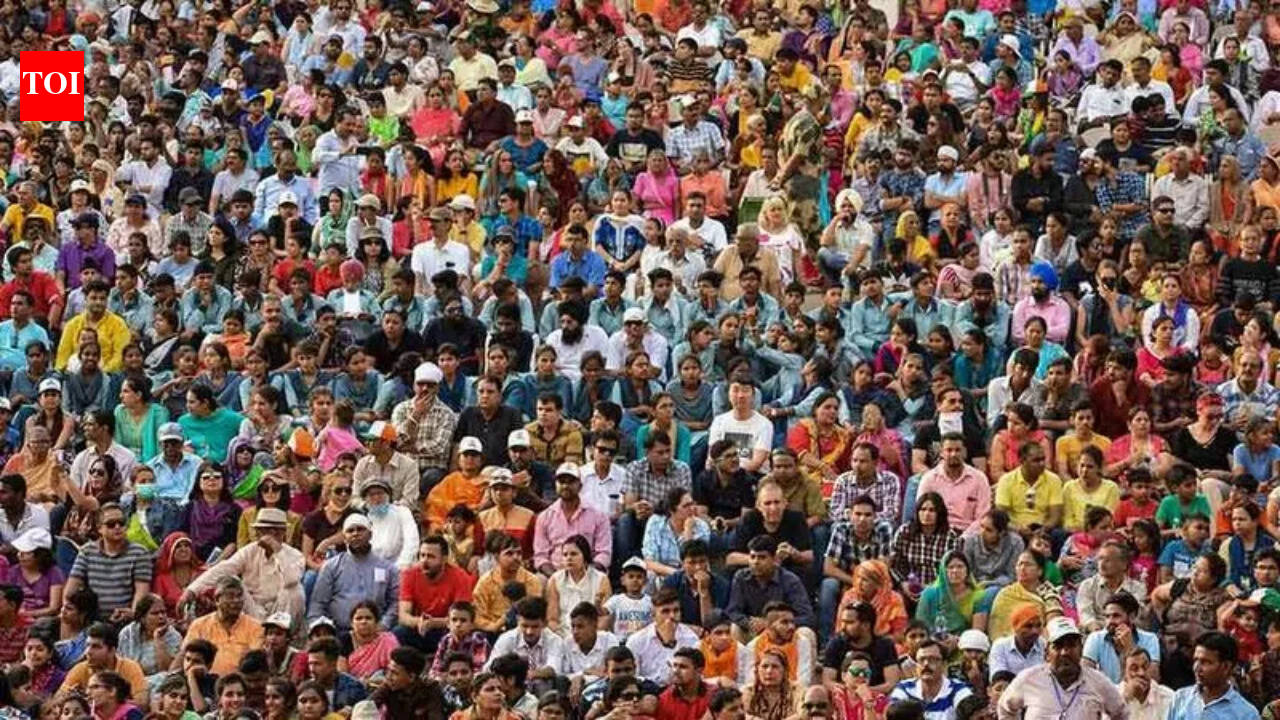
The Census 2027 process has begun in snowbound regions and is being preponed in four poll-bound states. Opposition parties have raised concerns over potential data misuse and the inclusion of new questions, fearing a link to the National Population Register.
The Commencement of Census 2027: Context and Controversy
The decennial Census, a cornerstone of Indian administrative planning, has officially commenced with enumerators beginning the headcount in snowbound regions, including Ladakh, Jammu and Kashmir, Himachal Pradesh, and Uttarakhand. This exercise, which is occurring six years behind the original schedule, marks a significant shift in the nation's demographic data collection efforts. The government has further signaled its priorities by preponing the population enumeration phase in four poll-bound states—Uttar Pradesh, Punjab, Goa, and Uttarakhand—setting a reference date of January 5, 2027, ahead of the nationwide rollout in February.
The Shift in Methodology and New Questions
Census 2027 introduces a revised questionnaire containing 40 questions, including 13 new inquiries. Most notably, this cycle includes an open-ended field for recording caste details, marking a historic shift as the first time since Independence that caste data beyond Scheduled Castes (SC) and Scheduled Tribes (ST) will be systematically enumerated. Respondents are provided with the flexibility to disclose their caste, decline to disclose it, or state that they do not belong to any caste, reflecting an attempt to balance administrative necessity with individual privacy.
Opposition Allegations and the NPR Debate
Despite the routine nature of the Census, the exercise has become a focal point of political contention. Opposition parties have raised serious concerns, alleging that the methodology and the inclusion of specific new questions serve a "nefarious purpose" beyond mere statistical gathering. A primary fear among critics is that the Census is being utilized as a "backdoor" for the National Population Register (NPR). The distinction between the two is vital; while the Census is a statistical tool used for policy planning, the NPR is often viewed by critics as a precursor to broader identity verification and state surveillance mechanisms.
Legal Protections and Privacy Concerns
Central to the discourse is the tension between data collection and privacy. The Census Act provides a legal framework designed to protect the personal information of respondents, ensuring that individual data remains confidential. However, experts continue to debate whether these legal safeguards are sufficient in the digital age. The concern persists that if the lines between the Census and other population registers become blurred, the integrity of the data as a neutral statistical instrument could be compromised, leading to public skepticism regarding the state's intent.
Regional Exceptions and Administrative Challenges
The execution of Census 2027 has not been uniform across the country. While the government has accelerated the process in poll-bound states, it has simultaneously deferred the exercise in Manipur “till further declaration.” This decision follows localized protests and specific demands for the implementation of a National Register of Citizens (NRC). This disparity highlights the complex intersection of national administrative objectives and regional socio-political climates, where the Census is frequently caught in the crossfire of local identity politics.
Future Implications and Conclusion
As the nation moves toward the nationwide enumeration phase in February 2027, the success of the exercise will depend on the government's ability to maintain public trust. The inclusion of caste data and the preponement of the count in election-bound states will likely remain central themes in political discourse. Ultimately, the Census must navigate the delicate balance between providing granular data for development and ensuring that the process does not evolve into a mechanism for state surveillance, thereby preserving its long-standing role as the bedrock of Indian governance.