Civic workers skipping duty to face dismissal: Krishna Byre Gowda
Source Entity
India Latest News: Top National Headlines Today & Breaking News | The Hindu
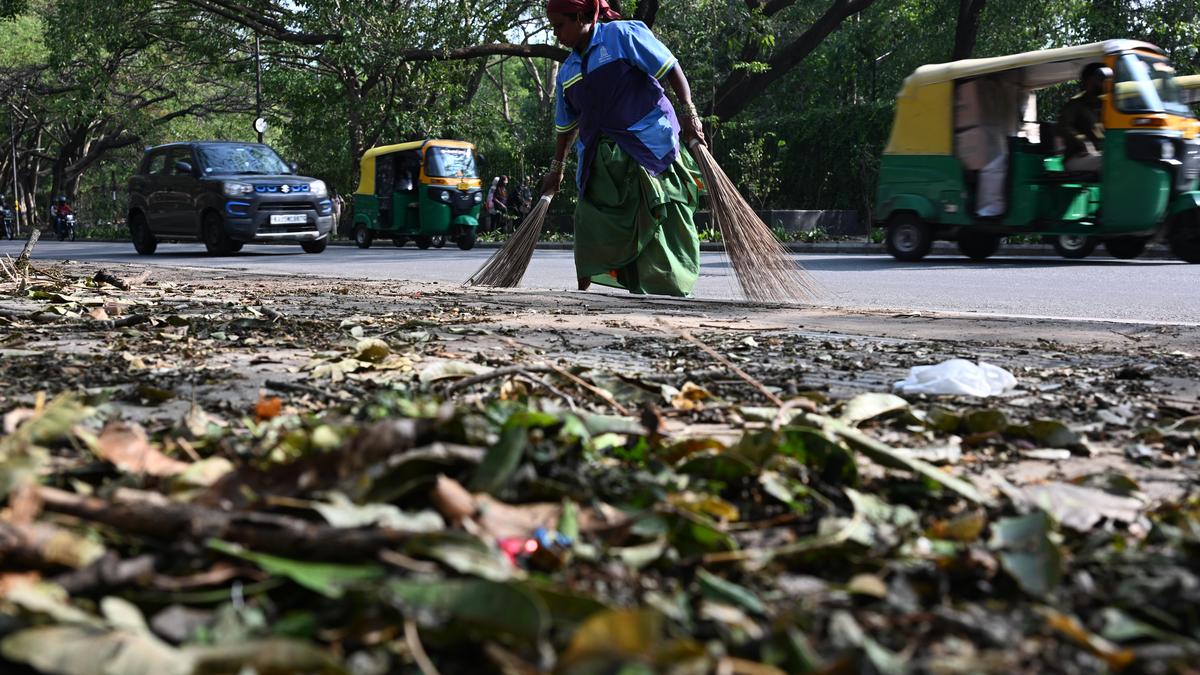
Karnataka Minister Krishna Byre Gowda has announced that civic workers who remain absent from duty will face dismissal after receiving three notices. The move aims to address the 30% absenteeism rate affecting door-to-door garbage collection in Bengaluru.
Crackdown on Absenteeism in Bengaluru Civic Services
Greater Bengaluru Development Minister Krishna Byre Gowda has announced a strict disciplinary policy targeting civic workers who routinely fail to report for duty. During a high-level meeting at Vidhana Soudha with local representatives, including MPs, MLAs, and MLCs, the Minister revealed that approximately 30% of the city’s deployed civic workforce is frequently absent. This significant rate of absenteeism has been cited as a primary driver behind the proliferation of garbage black spots throughout the city, directly impacting public health and urban sanitation efforts.
The Disciplinary Framework
The government’s approach to curbing this issue involves a formal three-notice system. Workers who fail to fulfill their contractual obligations will be issued three consecutive warnings. Should these notices go unheeded, the administration is prepared to initiate dismissal proceedings in accordance with existing municipal service rules. This policy seeks to establish a culture of accountability within the civic body, emphasizing that door-to-door garbage collection is a fundamental, non-negotiable responsibility of these employees.
Impact on Urban Infrastructure
The connection between worker attendance and the city's cleanliness is direct and measurable. When nearly one-third of the workforce is missing, the logistical chain of waste management breaks down, leading to the accumulation of refuse in unauthorized areas. By addressing this 30% absenteeism gap, the government hopes to restore the efficiency of door-to-door collection services, which are critical for maintaining the hygiene standards of a rapidly growing urban center like Bengaluru.
Tensions and Stakeholder Perspectives
However, the announcement has not been met without pushback. The Karnataka State Municipal Workers’ Union has issued a statement expressing concern over the Minister's approach. The union argues that while individual cases of dereliction of duty may exist, it is unfair to generalize these issues to the entire workforce. They have cautioned against using allegations of individual negligence as a pretext for the collective humiliation or mass punitive action against civic workers.
Broader Implications and Future Trends
This development highlights the ongoing struggle to manage urban services in major Indian cities where labor management remains a complex issue. The conflict between administrative mandates for efficiency and the concerns of labor unions reflects a broader tension in public sector governance. Moving forward, the effectiveness of this policy will depend on whether the government can balance its need for strict accountability with the systemic issues that might be contributing to such high absenteeism rates, such as working conditions or administrative delays in payroll and resource management.
Conclusion
The ultimatum issued by Minister Krishna Byre Gowda marks a pivotal moment in the management of Bengaluru's municipal services. By formalizing a pathway to dismissal, the government is signaling a shift toward stricter performance monitoring. As the situation evolves, the success of this initiative will be measured by its ability to reduce garbage black spots without undermining the morale or rights of the workers who remain essential to the city's daily operations.
Verification Required?