AAP donations plunge in 2025-26; company of MP who later joined BJP, Ashutosh Ranka among donors
Source Entity
India Latest News: Top National Headlines Today & Breaking News | The Hindu
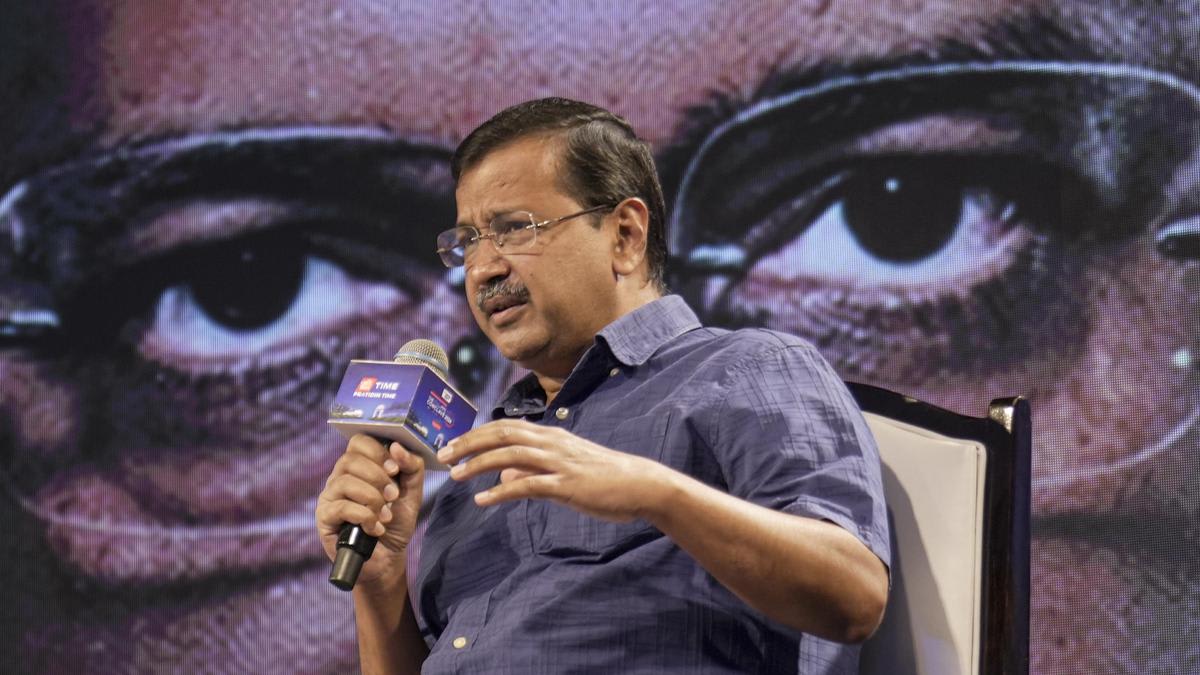
The Aam Aadmi Party (AAP) reported a 68% decline in political contributions for the 2025-26 fiscal year, totaling ₹12.10 crore. Major funding was dominated by Prudent Electoral Trust and Trident Limited, while the filing also highlighted contributions from former party members.
Financial Contraction in AAP's Fiscal Landscape
The financial disclosures for the 2025-26 fiscal year reveal a significant downturn for the Aam Aadmi Party (AAP), which reported total contributions of ₹12.10 crore. This figure represents a stark 68% decrease from the ₹38.10 crore reported in the preceding 2024-25 period. This fiscal contraction coincides with the party's first full financial year following the loss of power in Delhi in February 2025, marking a transitional phase in the party's electoral and organizational history.
The Role of Institutional Donors
Institutional support remains the backbone of the party's funding, with nearly 83% of the total contributions originating from two primary sources: the Prudent Electoral Trust and Trident Limited. Each entity contributed ₹5 crore, underscoring the reliance of major political outfits on electoral trusts and corporate entities to sustain operations. The inclusion of Trident Limited, founded by former party MP Rajinder Gupta, highlights the complex intersections between political representation and corporate sponsorship, particularly given that Mr. Gupta was elected to the Rajya Sabha on an AAP ticket as recently as October 2025.
Internal Contributions and Party Dynamics
Beyond corporate funding, the 1,202 entries in the ECI filing provide insight into the internal financial participation of party leadership. National convenor Arvind Kejriwal is listed as having made three separate contributions of ₹10,000 each, while former Delhi Chief Minister Atishi contributed a total of ₹42,000 through twelve individual payments. These small-scale internal contributions reflect a tradition of leadership-led fundraising, though they remain a minor fraction of the party's total revenue compared to institutional inflows.
Shifts in Political Allegiances
The filing also documents the fluid nature of political allegiances within the Indian landscape. Notably, Ashutosh Ranka, currently a co-convener of the Cockroach Janta Party (CJP) and a former AAP spokesperson, is listed as a donor of ₹21,100. The disclosure clarifies that this contribution occurred during the 2025-26 period, prior to his formal shift to the CJP. Such disclosures are a requirement under Section 29C of the Representation of the People Act, 1951, which mandates the reporting of all contributions exceeding ₹20,000 to the Election Commission of India.
Comparative Electoral Funding
When viewed against the broader political spectrum, the AAP's financial situation is part of a larger disclosure cycle. Other regional and national players have reported varying levels of funding, with the Telugu Desam Party (TDP) leading the disclosed figures at ₹58.25 crore, followed by the YSRCP at ₹24.31 crore and the BRS at ₹16.44 crore. These figures reflect the varying degrees of institutional and corporate backing that parties receive, providing a snapshot of the fiscal health of India's political ecosystem during the 2025-26 financial year.
Conclusion and Future Implications
The 68% drop in AAP's funding highlights the challenges faced by parties transitioning from incumbent status in a major metropolitan center to a primarily regional governance model—specifically focusing on Punjab, where Trident Limited maintains its base. As political entities navigate these financial shifts, the transparency provided by Section 29C filings remains a crucial mechanism for public scrutiny. The concentration of funding in electoral trusts and specific corporate entities suggests that future electoral performance and policy influence will continue to be closely monitored through these mandated financial disclosures.
Verification Required?