'Shiva god of poor, Ram god of rich': Telangana CM's off-the-cuff remark draws BJP's ire
Source Entity
VIVEK DUBEY
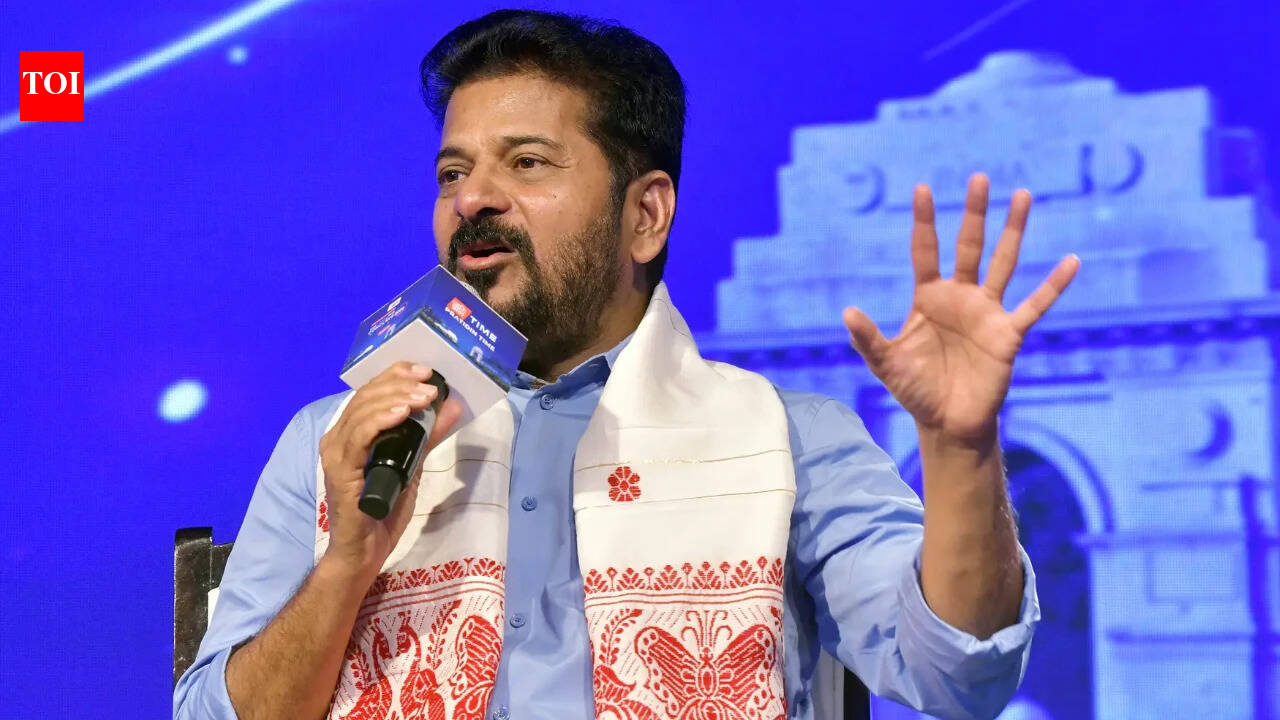
Telangana Chief Minister Revanth Reddy is facing backlash from the BJP following his controversial remarks contrasting Lord Shiva and Lord Ram. The opposition party has condemned the statement as divisive and disrespectful to religious sentiments.
The Intersection of Faith and Political Rhetoric
The recent controversy surrounding Telangana Chief Minister Revanth Reddy’s remarks, in which he characterized Lord Shiva as the 'god of the poor' and Lord Ram as the 'god of the rich,' has ignited a significant political firestorm. This off-the-cuff statement has drawn sharp criticism from the Bharatiya Janata Party (BJP), which views the categorization as a deliberate attempt to create a socio-religious divide within the electorate. By invoking the names of major deities to represent disparate economic classes, the Chief Minister has inadvertently waded into the volatile intersection of identity politics and theological discourse.
The BJP’s Response and Political Implications
The BJP’s ire is rooted in the perception that the Chief Minister is politicizing Hindu iconography to suit a populist narrative. For the opposition, such remarks are seen as an affront to the collective reverence held for these deities, transcending economic status. Historically, political figures in India have often utilized religious symbolism to connect with specific voter bases; however, this specific dichotomy risks alienating large segments of the population who do not see their faith through the lens of economic hierarchy. The party’s swift condemnation underscores the sensitivity of religious discourse in the current political climate.
Contextualizing the Rhetoric
To understand the gravity of this situation, one must look at the broader landscape of Indian political communication, where leaders often use metaphors to address issues of social inequality. While the Chief Minister may have intended to highlight his government's focus on the underprivileged by associating them with Lord Shiva, the comparison to Lord Ram creates an unnecessary friction point. In the Indian context, where religion is deeply intertwined with cultural identity, such comparisons are rarely viewed as merely academic or metaphorical, but rather as statements of partisan intent.
Challenges in Public Governance and Discourse
The incident highlights a recurring challenge for modern politicians: the high cost of off-the-cuff remarks in an era of hyper-connected media. When high-ranking officials make generalizations about religious figures, they invite intense scrutiny that can distract from substantive policy debates. This episode serves as a reminder that the public sphere in Telangana, and India at large, remains highly sensitive to any rhetoric that appears to categorize or rank deities, as such actions are often interpreted as an attempt to influence communal dynamics for electoral gain.
Future Trends in Religious-Political Messaging
Looking ahead, it is likely that religious discourse will continue to be a central feature of the political dialogue in Telangana. However, this controversy may force a recalibration of how leaders frame their messages. As the BJP continues to position itself as a staunch defender of traditional religious values, the ruling party will need to navigate these cultural sensitivities with greater care to avoid further backlashes. The trend suggests that while populist messaging is effective, the specific utilization of religious deities in economic metaphors is becoming an increasingly hazardous strategy for political leaders.