Over 13 crore voters deleted, what is this if not a setting: Abhijeet Dipke
Source Entity
India Latest News: Top National Headlines Today & Breaking News | The Hindu
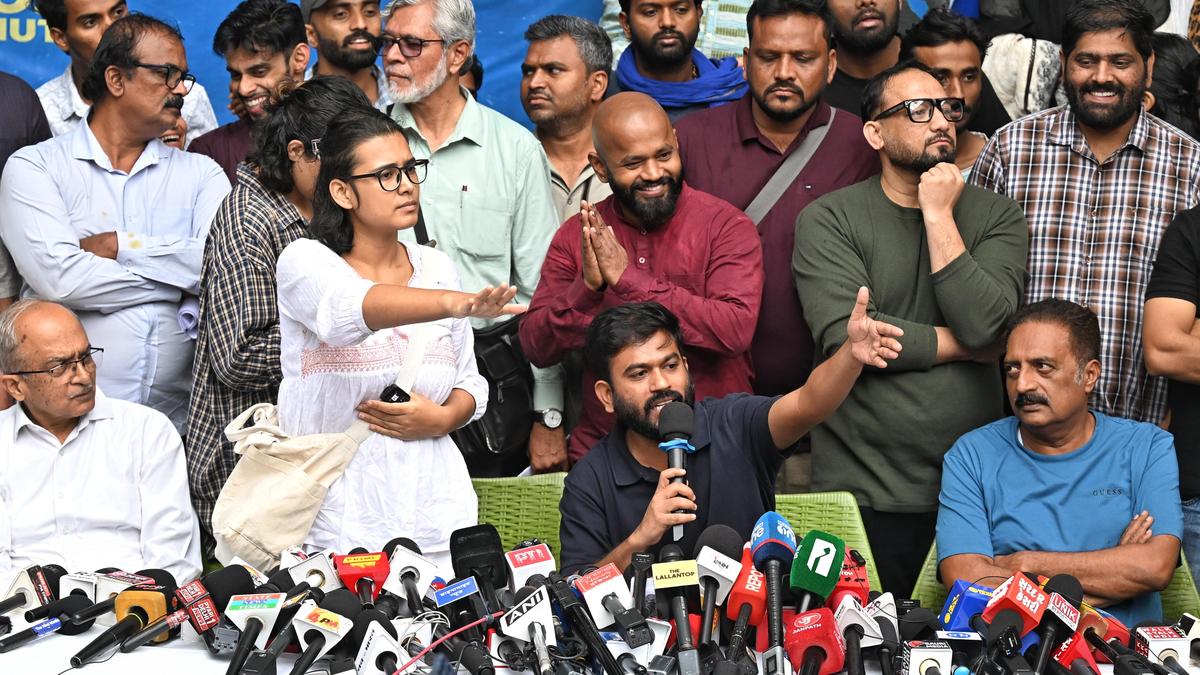
CJP leader Abhijeet Dipke and student activists have accused the Indian government of suppressing protests against Chief Election Commissioner Gyanesh Kumar. The allegations involve mass detentions, restricted movement in Delhi, and claims of widespread voter deletion.
The Growing Controversy Over Election Integrity
The political landscape in India has been marked by significant tension following allegations leveled by Abhijeet Dipke, founder of the Cockroach Janta Party (CJP), regarding the conduct of Chief Election Commissioner (CEC) Gyanesh Kumar. Dipke, alongside student leaders including Neha Bora of the All India Students' Association, has spearheaded a movement demanding the resignation of the CEC. This confrontation highlights an intensifying friction between civil society organizations and the central government over the perceived autonomy and transparency of electoral institutions.
Patterns of Suppression and Civil Unrest
According to reports, the central government has implemented sweeping security measures across Delhi to quell demonstrations. These measures have included the suspension of critical rail services and the closure of multiple Metro stations, effectively paralyzing parts of the capital to prevent protestors from mobilizing. Dipke has characterized these actions as excessive, alleging that students, activists, and prominent opposition figures—including former Chief Ministers Mamata Banerjee, Arvind Kejriwal, and Pinarayi Vijayan—have been subjected to detention for their participation in these protests.
Allegations of Electoral Manipulation
Central to the protestors' grievances is the explosive claim that over 13 crore voters have been deleted from electoral rolls. Dipke has publicly questioned the legitimacy of these deletions, labeling the situation a "setting" intended to influence future electoral outcomes. Such allegations strike at the heart of democratic legitimacy, as the integrity of the voter list is the foundational pillar of any parliamentary republic. The demand for accountability regarding these deletions forms the primary catalyst for the current wave of civil disobedience.
The Role of Media and Student Activism
The press conference featuring Dipke, Neha Bora, Aishe Ghosh, and actor Prakash Raj was marred by chaos, underscoring the volatile nature of the current political climate. Beyond the detention of political figures, there is significant concern regarding the treatment of journalists. Neha Bora specifically highlighted the intimidation faced by members of the press who were attempting to cover the demonstrations. This suppression of information flow raises serious questions about the state of press freedom and the right to public assembly in the national capital.
Institutional Implications and Future Trends
The detention of individuals like Saurav Das and Ranka near Jantar Mantar signals a hardening stance by the state against dissent. As the protests enter their third week, the political divide appears to be deepening. If these allegations of voter deletion are not addressed through transparent institutional audit, the trust deficit between the electorate and the Election Commission of India is likely to widen. Future trends suggest that the opposition will continue to leverage these protests to consolidate a narrative of institutional capture, potentially impacting the electoral discourse in upcoming cycles.
Conclusion
The ongoing standoff represents a critical juncture for Indian democracy. With claims of massive voter erasure and the heavy-handed use of state machinery to suppress opposition, the situation surrounding CEC Gyanesh Kumar has evolved into a broader debate about the health of India's democratic institutions. The persistence of student groups and political leaders in the face of such restrictions suggests that this issue will remain at the forefront of the national political agenda for the foreseeable future.
Multiple Citing Sources
Verification Required?