‘Anarchic, immature’: BJP targets Rahul over anti-CEC protests
Source Entity
SUBHADRA SRIVASTAVA
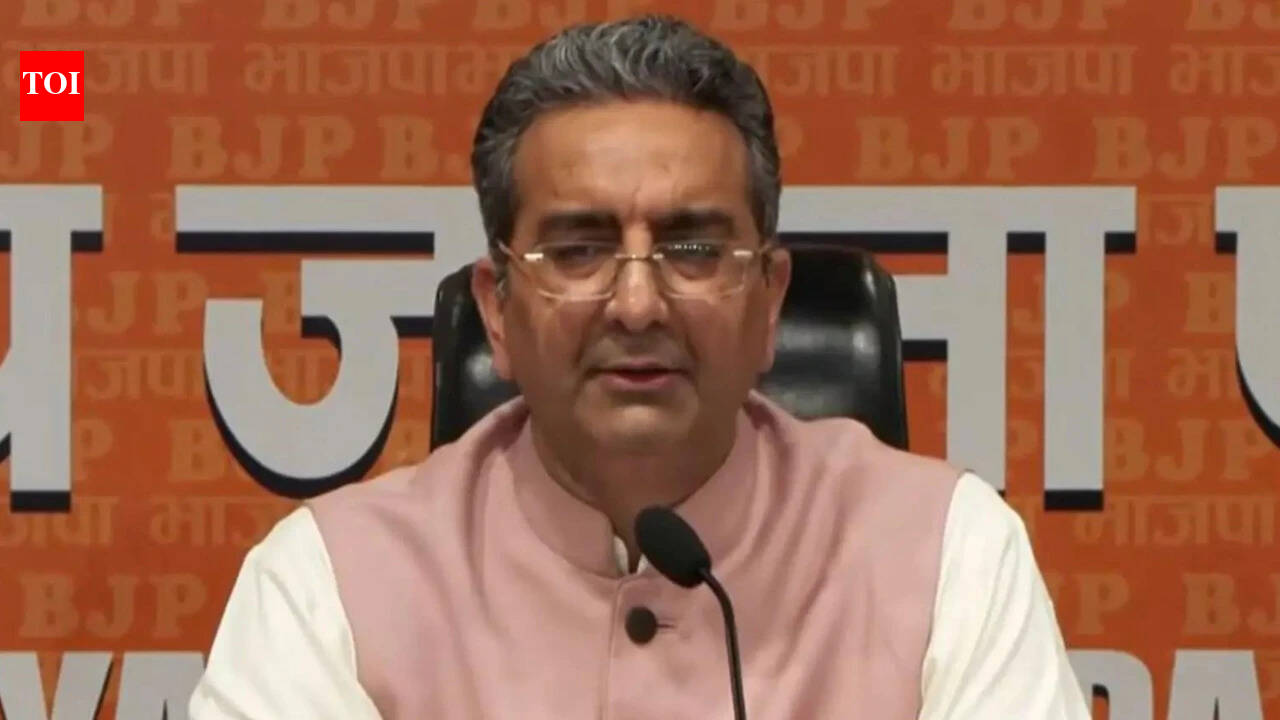
The BJP has criticized Rahul Gandhi for his involvement in protests against the Chief Election Commissioner. This confrontation underscores the escalating political tensions between the ruling party and the opposition regarding institutional integrity.
The Escalation of Political Rhetoric
The recent confrontation between the Bharatiya Janata Party (BJP) and Congress leader Rahul Gandhi regarding protests against the Chief Election Commissioner (CEC) marks a significant intensification in India's political discourse. By labeling the opposition's actions as "anarchic" and "immature," the BJP has signaled a firm stance against what it perceives as an attempt to undermine the credibility of independent constitutional bodies. This rhetoric reflects a broader strategy by the ruling party to frame the opposition's dissent not as legitimate democratic protest, but as an obstructionist agenda that threatens national stability.
Institutional Integrity and Political Conflict
At the heart of this controversy lies a fundamental disagreement over the role and impartiality of the Election Commission of India (ECI). The opposition, led by figures like Rahul Gandhi, has frequently questioned the transparency and fairness of electoral processes, often directing their grievances toward the CEC. Conversely, the BJP maintains that these protests are calculated political maneuvers designed to cast doubt on the integrity of the electoral machinery whenever the political tides turn against the opposition. This cycle of accusation and counter-accusation has become a recurring feature of the contemporary Indian political landscape.
The Impact of Public Protest on Governance
Public protests targeting constitutional authorities represent a complex intersection of civil rights and institutional decorum. While the right to dissent is a cornerstone of Indian democracy, the BJP's characterization of these specific protests as "anarchic" highlights a deep-seated concern regarding the decorum of political leaders. When high-ranking officials and party heads engage in direct confrontation with the ECI, the public perception of these institutions can suffer, potentially leading to a erosion of trust in the very systems that underpin the democratic process.
Historical Context of Electoral Disputes
Historically, the relationship between political parties and the ECI has always been sensitive, but the current climate is marked by a unique level of polarization. Past decades saw occasional friction, yet today’s digital age, characterized by rapid social media mobilization and 24/7 news cycles, amplifies every grievance. This acceleration means that local protests against the CEC are immediately transformed into national narratives, forcing both the government and the opposition to double down on their positions rather than seeking moderate dialogue.
Future Trends and Democratic Stability
Looking ahead, it is likely that the conflict over the autonomy and functioning of the ECI will continue to be a primary battleground. As India moves toward future electoral cycles, the ability of the ECI to remain detached from partisan influence will be tested repeatedly. If the trend of labeling dissent as "anarchic" persists, it may lead to a shrinking space for constructive criticism, ultimately complicating the efforts of both the government and the opposition to find a common ground on electoral reforms.
Conclusion
The ongoing war of words between the BJP and Rahul Gandhi serves as a microcosm of the larger ideological rift in the country. Whether these protests are viewed as a necessary check on power or as an immature display of political frustration, the discourse underscores the urgent need for a more structured dialogue between political parties and the institutions that govern them to ensure the long-term health of India’s democratic framework.