Yogi’s swipe at Rahul Gandhi: ‘Nehru wasn’t the only one jailed for freedom’
Source Entity
Bhupendra Pandey
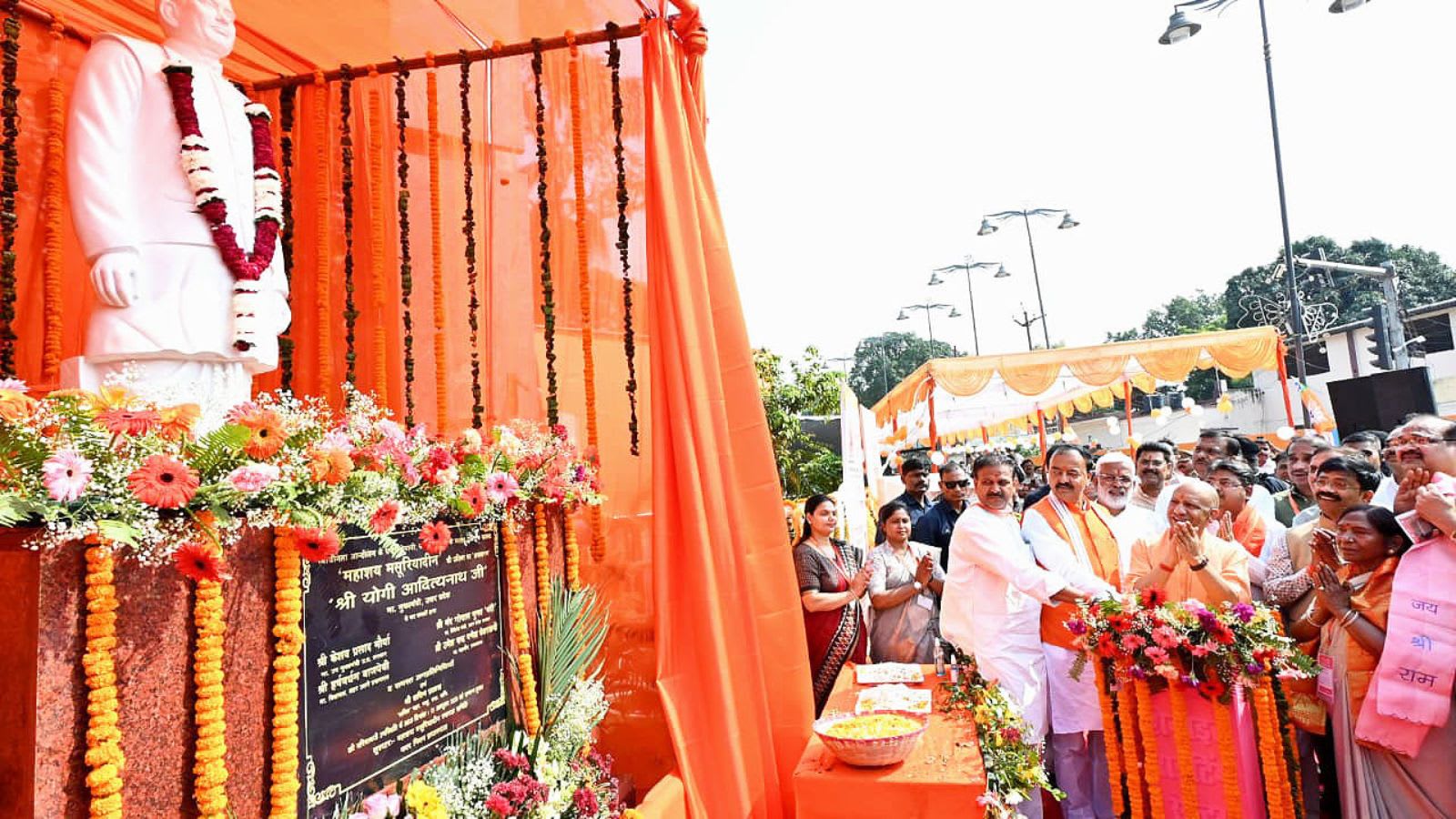
Uttar Pradesh CM Yogi Adityanath highlighted the contributions of Dalit freedom fighter Masuriya Din to challenge the Congress party's narrative on historical legacy. The event, held in Prayagraj, serves as a strategic move for Dalit outreach ahead of the 2027 UP assembly elections.
Rethinking Historical Narratives: Yogi’s Challenge to the Congress Legacy
In a pointed political maneuver in Prayagraj, Uttar Pradesh Chief Minister Yogi Adityanath recently challenged the historical narrative often championed by the Congress party. By highlighting the sacrifices of Masuriya Din, a Dalit freedom fighter from the Pasi community, the Chief Minister sought to dismantle the perception that the struggle for Indian independence was the exclusive domain of the Nehru-Gandhi family. This rhetorical shift aims to broaden the discourse surrounding national heroes, emphasizing that the freedom movement was a collective endeavor involving diverse social strata.
The Significance of Masuriya Din
Masuriya Din, a four-time Congress MP who served alongside Jawaharlal Nehru as a representative for the Phulpur constituency in 1952 and 1957, spent nine years of his life imprisoned for the cause of independence. By bringing this figure to the forefront, Yogi Adityanath is not merely engaging in historical revisionism but is actively reclaiming the legacy of Dalit leaders who were historically affiliated with the Congress but have since faded from mainstream political memory. This serves to remind the electorate that the contribution of the deprived sections was as vital as that of the established political elite.
Strategic Dalit Outreach and Political Messaging
This event in Teliyarganj is widely interpreted as a strategic push for Dalit outreach in anticipation of the 2027 Uttar Pradesh assembly elections. By positioning himself as a champion of Dalit icons, the Chief Minister is attempting to erode the traditional support bases of opposition parties. The narrative that “honour is not the exclusive property of any family” is a direct attempt to undermine the moral authority of the Congress leadership, specifically targeting Rahul Gandhi’s reliance on his family’s historical narrative.
The Intersection of History and Modern Politics
Historically, the Pasi community has held significant political weight in Uttar Pradesh. By unveiling a statue of a prominent Pasi leader, the BJP government is signaling a commitment to honoring local heroes who represent the aspirations of marginalized communities. This strategy of 'icon-based politics' allows the current administration to bridge the gap between historical legacy and contemporary governance, framing the BJP as the true custodian of all contributors to the nation, regardless of their background.
Implications for the 2027 Assembly Elections
As the political landscape in Uttar Pradesh shifts toward the 2027 assembly elections, the battle for the Dalit vote remains a central theme. The Chief Minister’s focus on Masuriya Din acts as a dual-purpose tool: it serves to honor a forgotten hero while simultaneously forcing the Congress party into a defensive posture regarding its own internal history. Whether this outreach will translate into tangible electoral shifts remains to be seen, but it is clear that the politics of identity and history will continue to play a defining role in the state’s political discourse.
Conclusion: A Shift in Narrative Power
Ultimately, Yogi Adityanath’s comments in Prayagraj reflect a broader trend in Indian politics where historical figures are being re-evaluated to suit current electoral strategies. By elevating Masuriya Din, the government is attempting to rewrite the symbolic map of the freedom movement, shifting focus away from central political dynasties toward regional and caste-based contributors. This tactic underscores the importance of historical memory in modern democratic competition, where the narrative of the past is as contested as the policies of the present.