Abqaiq Is a Warning That Oil Markets May Be Misreading
Source Entity
Yahoo Finance
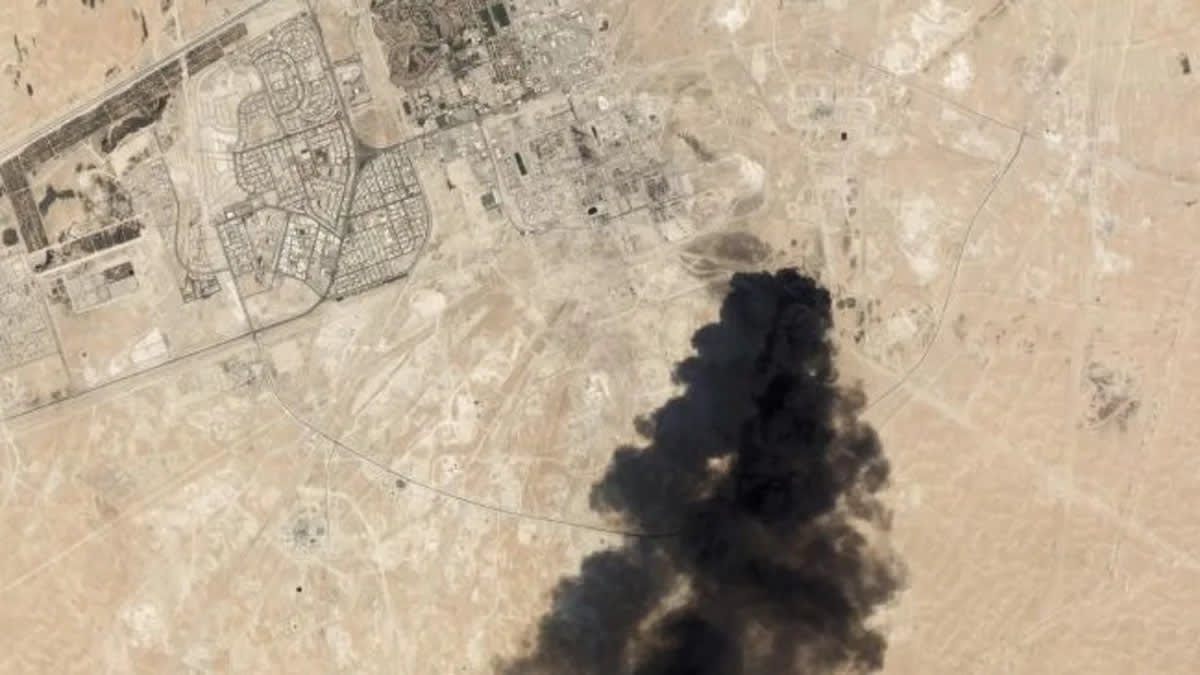
Recent satellite imagery of Saudi Arabia's Abqaiq facility suggests significant damage to core crude processing infrastructure. This development raises serious concerns regarding global oil market stability and echoes previous geopolitical tensions in the region.
The Strategic Vulnerability of Global Energy Infrastructure
Recent developments at the Abqaiq facility in Saudi Arabia have sent tremors through the global energy market, suggesting a significant escalation in the physical threats facing critical oil infrastructure. Satellite imagery analyzed over the past few days indicates that recent attacks have moved beyond peripheral storage tanks, striking directly at the heart of crude processing operations. This shift in target precision represents a material change in risk assessment for energy investors worldwide.
Echoes of Historical Precedent
The current situation evokes a profound sense of deja vu for observers of Middle Eastern geopolitical history. The parallels to the major attack on Aramco attributed to Iran years ago are stark and unsettling. During that historical event, the global oil supply chain was severely disrupted, forcing a rapid recalibration of market expectations regarding the security of supply. The presence of fresh burn scars on stabilization spheroid vessels—the critical components responsible for preparing crude oil for transport—suggests that the facility's core functionality is once again being tested by external forces.
The Limitations of Remote Assessment
While satellite imagery provides an invaluable window into the scope of the damage, it is crucial to acknowledge its inherent limitations. These high-resolution snapshots can verify the presence of fire and structural distress, but they cannot offer a comprehensive engineering assessment of the internal operational integrity. The ongoing absence of a detailed, transparent report from operators regarding the status of these processing units leaves a vacuum of information that the market is currently struggling to fill.
Broader Economic Implications
Markets have historically displayed a tendency to underestimate the fragility of the global oil supply chain. By focusing primarily on short-term demand fluctuations, traders often overlook the physical reality that a single node in the network—like Abqaiq—can effectively throttle global output. If the processing systems are indeed compromised, the resulting supply bottleneck could lead to sustained upward pressure on crude prices, impacting global inflation and economic recovery efforts.
Future Trends and Market Stability
The unfolding situation at Abqaiq serves as a stark warning to stakeholders that the geopolitical risk premium in energy markets may be chronically undervalued. Moving forward, we can expect increased scrutiny on the security protocols surrounding downstream processing infrastructure. As nations and corporations grapple with these vulnerabilities, the reliance on centralized processing hubs may be reassessed, potentially shifting investment toward more resilient, decentralized energy architectures. Ultimately, the industry must prepare for a future where physical security is as vital to price stability as supply-and-demand metrics.