Adani wants to move international flights to Navi Mumbai airport: Why are Air France, Emirates, others resisting?
Source Entity
Ishika Gupta
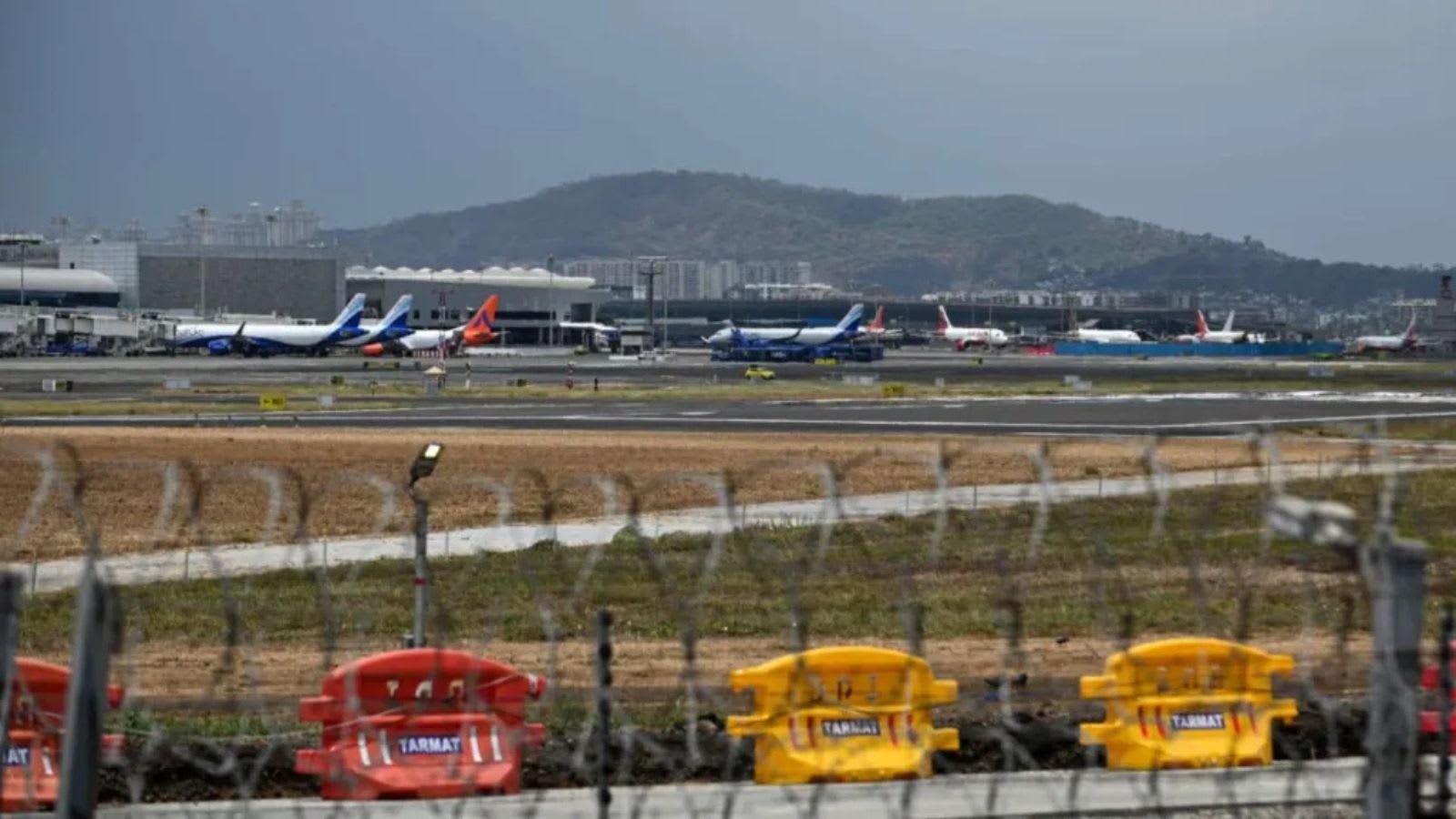
Adani Airport Holdings is compelling international airlines to shift operations to the new Navi Mumbai International Airport to facilitate redevelopment at Mumbai's Chhatrapati Shivaji Maharaj International Airport. Foreign carriers are resisting the move, citing lack of consultation and operational disruptions, leading to a standoff with the airport operator.
The Mumbai-Navi Mumbai Aviation Standoff
A significant logistical and corporate confrontation is unfolding in India’s aviation sector as Adani Airport Holdings, the operator of both Chhatrapati Shivaji Maharaj International Airport (CSMIA) and the upcoming Navi Mumbai International Airport (NMIA), pushes for a mandatory relocation of international flight services. CEO Arun Bansal has stated that airlines unwilling to relocate to the new facility may face the cessation of their flight operations to Mumbai, signaling a hardline approach to capacity management.
Infrastructure Redevelopment as a Catalyst
The primary driver for this directive is the planned redevelopment of Terminal 1 at CSMIA. Adani-owned Mumbai International Airport Ltd. (MIAL) asserts that this construction necessitates the reduction of capacity at the existing airport. By shifting a portion of international operations to the new Navi Mumbai facility, the operator aims to alleviate congestion and facilitate the necessary structural upgrades. However, the operator's decision to effectively 'evict' certain services has created immense friction with carriers accustomed to the established infrastructure of CSMIA.
Airline Resistance and Operational Concerns
International carriers, including major players like Air France and Emirates, have formally approached the Union Ministry of Civil Aviation (MoCA) to challenge the move. The Airport Operators’ Committee (AOC)-Mumbai has characterized the reduction of Terminal 1’s capacity by five million passengers per annum as a unilateral decision. Airlines argue that MIAL has failed to provide adequate justification for the capacity reduction and has bypassed the necessary consultative processes required for such a massive operational shift.
The 14-Destination Shift
According to reports, MIAL has identified 14 international destinations—including hubs like Doha, Dubai, and Jeddah—that are slated to be served exclusively from the Navi Mumbai airport in the 2027 summer schedule. This strategic move aligns with the operational plans of domestic carriers like IndiGo, Air India, and Akasa Air, which have reportedly agreed to operate these routes from the new facility. For foreign airlines, however, splitting their operations between two distinct airports located 50 kilometers apart presents significant logistical hurdles and passenger connectivity issues.
Broader Implications for Indian Aviation
This standoff highlights the growing pains of India’s rapidly expanding aviation infrastructure. As the Adani Group seeks to optimize its dual-airport portfolio in the Mumbai Metropolitan Region, it faces the challenge of balancing commercial redevelopment goals with the operational needs of global carriers. The conflict underscores the complexity of transitioning to a multi-airport system in a densely populated urban corridor, where the success of a new airport relies heavily on the cooperation of established international partners.
Future Trends and Resolution
The outcome of this dispute will likely set a precedent for how airport operators in India manage capacity transitions and airline relations. With the Ministry of Civil Aviation now involved, the resolution will hinge on whether a compromise can be reached regarding the timeline of the shift and the verification of MIAL's capacity assessments. Moving forward, the industry will be watching closely to see if international carriers are forced to adopt a decentralized hub strategy or if the Adani Group will be required to adjust its redevelopment schedule to accommodate airline concerns.
Multiple Citing Sources