Mumbai airport wants all flights to 14 overseas destinations to move to Navi Mumbai, writes to government
Source Entity
Sukalp Sharma
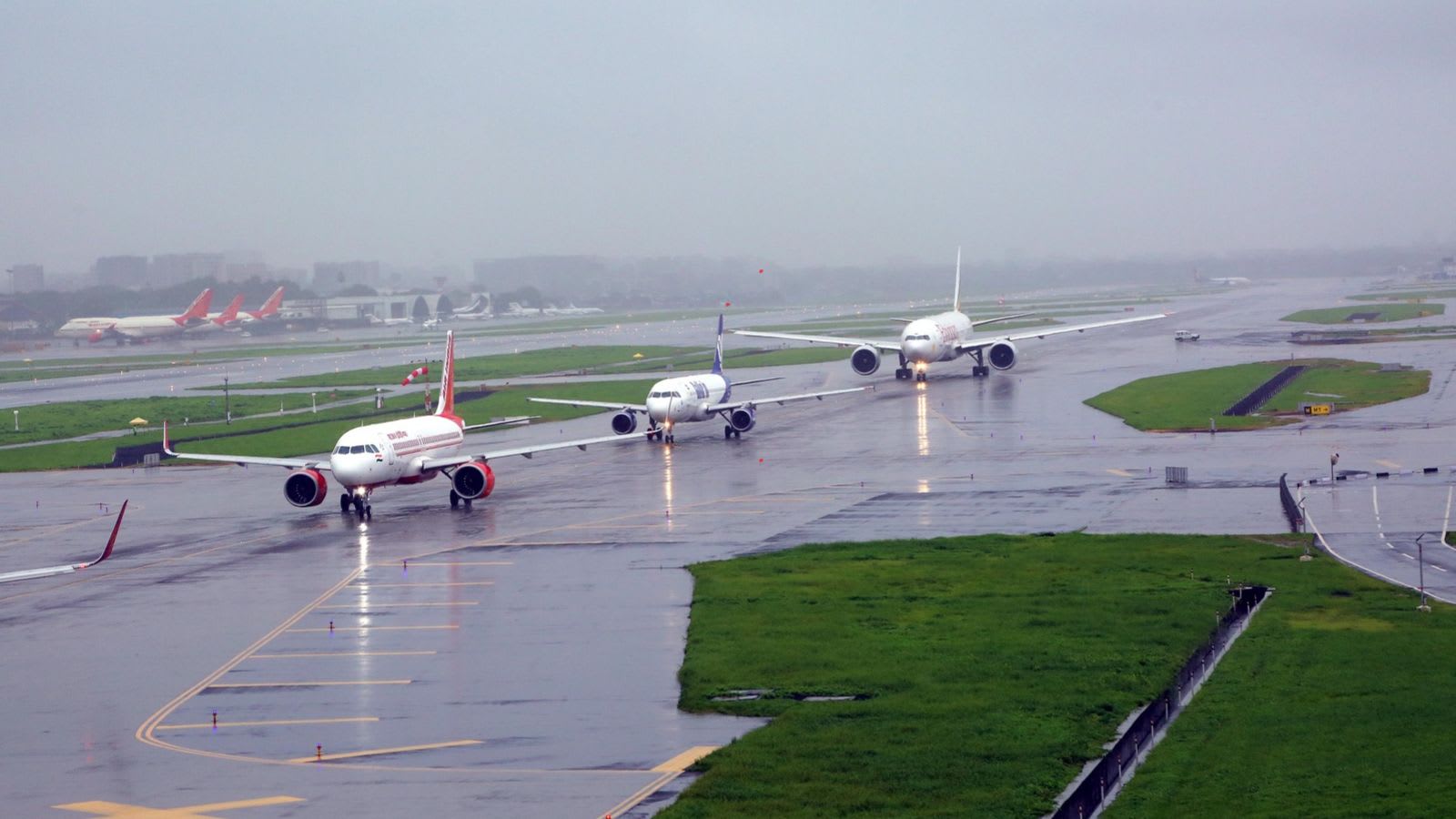
Adani Airport Holdings is mandating that international airlines shift operations to the new Navi Mumbai International Airport to facilitate redevelopment at Mumbai's Chhatrapati Shivaji Maharaj International Airport. Foreign carriers are resisting the move, citing concerns over operational splitting, lack of consultation, and potential capacity impacts.
The Mumbai Aviation Standoff: Adani’s Strategic Pivot
The aviation sector in India is currently witnessing a high-stakes standoff between the Adani Group, which operates both the Chhatrapati Shivaji Maharaj International Airport (CSMIA) and the upcoming Navi Mumbai International Airport (NMIA), and a coalition of international airlines. As of November 2026, Arun Bansal, CEO of Adani Airport Holdings, has issued an ultimatum to foreign carriers: relocate specific international operations to the new Navi Mumbai facility or cease flying to Mumbai entirely. This directive marks a significant shift in infrastructure management, as the operator looks to prioritize the activation of the new airport while simultaneously managing necessary redevelopment work at the existing Terminal 1.
Operational Pressures and Redevelopment Needs
At the heart of the dispute is the operational capacity of CSMIA. The Adani-owned Mumbai International Airport Ltd. (MIAL) has argued that the redevelopment of Terminal 1 necessitates the offloading of traffic to Navi Mumbai. MIAL contends that they have provided sufficient notice for this transition, framing the move as a landlord-tenant relationship where the operator dictates the terms of property usage. However, this perspective has met with intense pushback from the Airport Operators’ Committee (AOC)-Mumbai, representing international carriers like Air France and Emirates, who view the proposed capacity reductions as unilateral and poorly justified.
The 14-Destination Shift
To facilitate this transition, MIAL has informed the government of its intent to suspend flights to 14 specific international destinations from the primary Mumbai airport in the 2027 summer schedule. These include regional hubs such as Doha, Dubai, Muscat, and Dhaka. The strategy appears to be a forced migration, aligning with the operational plans of domestic giants like IndiGo, Air India, and Akasa Air, which have already signaled their intent to serve these routes from Navi Mumbai. By limiting access to CSMIA, the operator is effectively creating a dual-airport model for the Mumbai Metropolitan Region.
Global Airline Concerns: Splitting Operations
Foreign airlines have formally approached the Union Ministry of Civil Aviation (MoCA) to voice their opposition. Their primary grievances center on the lack of adequate consultation and the severe operational inefficiencies associated with splitting their Mumbai-bound traffic across two distinct airports. For an international carrier, maintaining ground handling, crew logistics, and passenger connectivity between two facilities located 50 kilometers apart presents significant cost and service challenges. The airlines argue that the capacity assessment of Terminal 1, which the operator seeks to reduce by five million passengers per annum, is based on questionable metrics that do not account for actual operational potential.
Broader Implications for Indian Aviation
This conflict highlights the growing pains of India's aviation infrastructure as it attempts to scale to meet record demand. The development of Navi Mumbai is intended to relieve the immense pressure on the land-constrained CSMIA. However, the transition period is proving to be a litmus test for the public-private partnership model in Indian airports. The government's role as an arbiter between the private operator and international interests will be critical in determining whether the transition is handled through collaborative policy-making or forced structural changes.
Future Trends and Conclusion
Looking forward, the success of the Navi Mumbai airport is essential for the long-term growth of the region's air traffic. If the Adani Group succeeds in its mandate, it will set a precedent for airport operators to dictate airline hubs based on infrastructure development timelines. Conversely, if the resistance from global carriers forces a policy reversal, it could delay the full integration of the new airport into the international network. The coming months will likely see intensive negotiations involving the Ministry of Civil Aviation, as the industry watches closely to see how the balance between infrastructure expansion and airline operational continuity is resolved.