Adhir Chowdhury's 'Congress Offer' To Mamata Banerjee With 'Baggage' Rider
Source Entity
NDTV News Search Records Found 1000
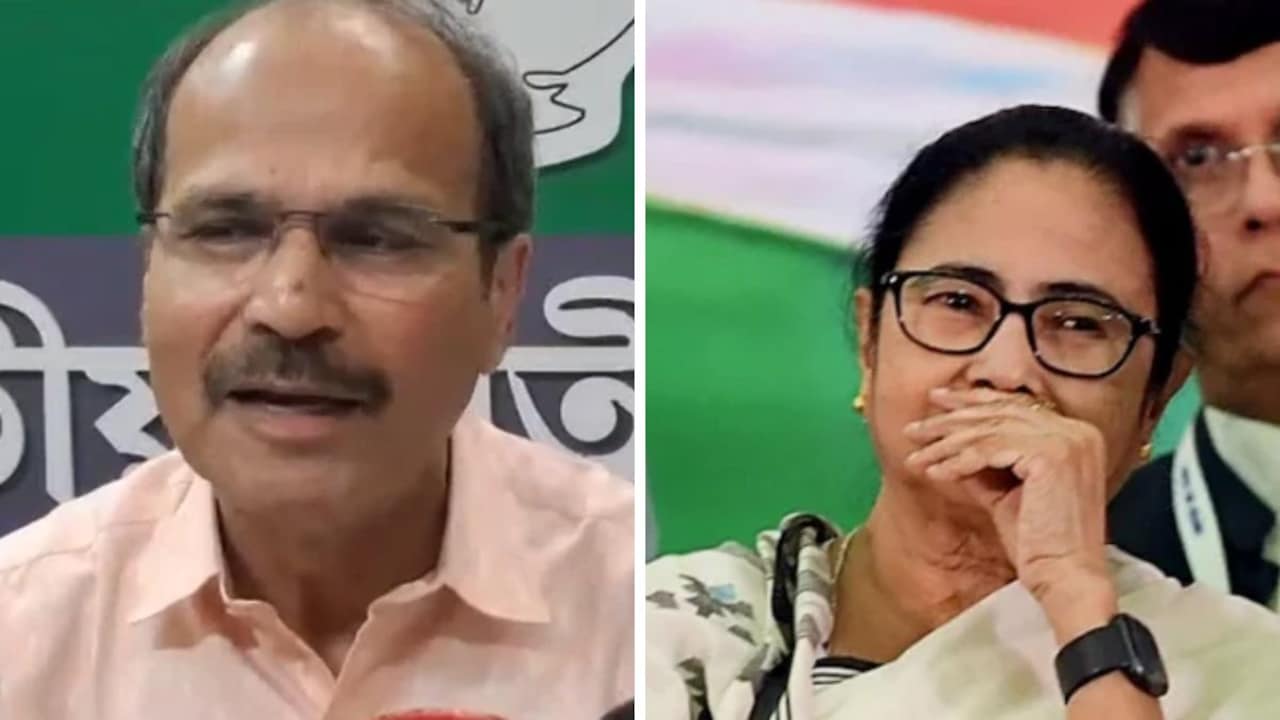
West Bengal Congress leader Adhir Chowdhury has extended an invitation to Mamata Banerjee to rejoin the Congress party. This offer is contingent upon specific conditions and comes amidst internal challenges currently facing Banerjee's political faction.
The Shifting Dynamics of West Bengal Politics
In a surprising turn of events within West Bengal's political landscape, Congress leader Adhir Chowdhury has publicly extended an invitation to Chief Minister Mamata Banerjee to return to the Congress fold. This overture, while seemingly conciliatory, is framed with specific riders that complicate the potential for a reconciliation. The proposal highlights the volatile nature of state politics, where historical alliances and bitter rivalries often converge in response to shifting power structures.
The Context of the 'Baggage' Rider
The offer is not an unconditional embrace but is tethered to what has been described as a 'baggage' rider. By emphasizing this condition, Chowdhury signals that any potential merger or alliance would require a significant reckoning with past political decisions and the current trajectory of Banerjee’s party. This move suggests that the Congress leadership is looking to consolidate its influence, yet remains wary of the political cost associated with Banerjee's recent governance and party management.
Navigating an Existential Crisis
The backdrop of this invitation is a period of significant instability for Mamata Banerjee. Reports indicate that her party is currently grappling with a rebellion-induced existential crisis. This internal turmoil has weakened her position, leading to speculation about the long-term viability of her current political vehicle. Chowdhury’s invitation can be interpreted as a strategic maneuver to capitalize on this vulnerability, positioning the Congress as a stabilizing force for those disillusioned by the current leadership.
Historical Precedents and Strategic Realignment
Historically, the relationship between the Congress and Mamata Banerjee has been defined by a complex cycle of cooperation and confrontation. Banerjee, a former Congress stalwart, broke away to form her own party, effectively challenging the Congress's traditional base in West Bengal. This latest development represents a potential attempt to reverse that historical fracture, though the deep-seated mistrust between the factions makes such a reunion fraught with difficulty.
Broader Political Implications
If such a reunion were to materialize, it would fundamentally reshape the political map of West Bengal. A unified front could pose a formidable challenge to opposition forces, yet the 'baggage' mentioned by Chowdhury suggests that any unification would be a process of absorption rather than an equal partnership. The success of this initiative depends heavily on whether Banerjee perceives the Congress as a lifeline or a threat to her remaining political autonomy.
Future Outlook and Conclusion
Looking ahead, the political future of West Bengal remains highly uncertain. The ongoing negotiations and internal pressures within Banerjee’s party will likely dictate the next steps of this potential alignment. Whether this offer leads to a concrete political shift or remains a rhetorical maneuver, it underscores the fragility of the current political environment in the state and the persistent quest for dominance among its key players.
Multiple Citing Sources
Verification Required?