UP Rajya Sabha polls: BJP has 7 locked, SP 2. Who gets the 10th seat?
Source Entity
Lalmani Verma
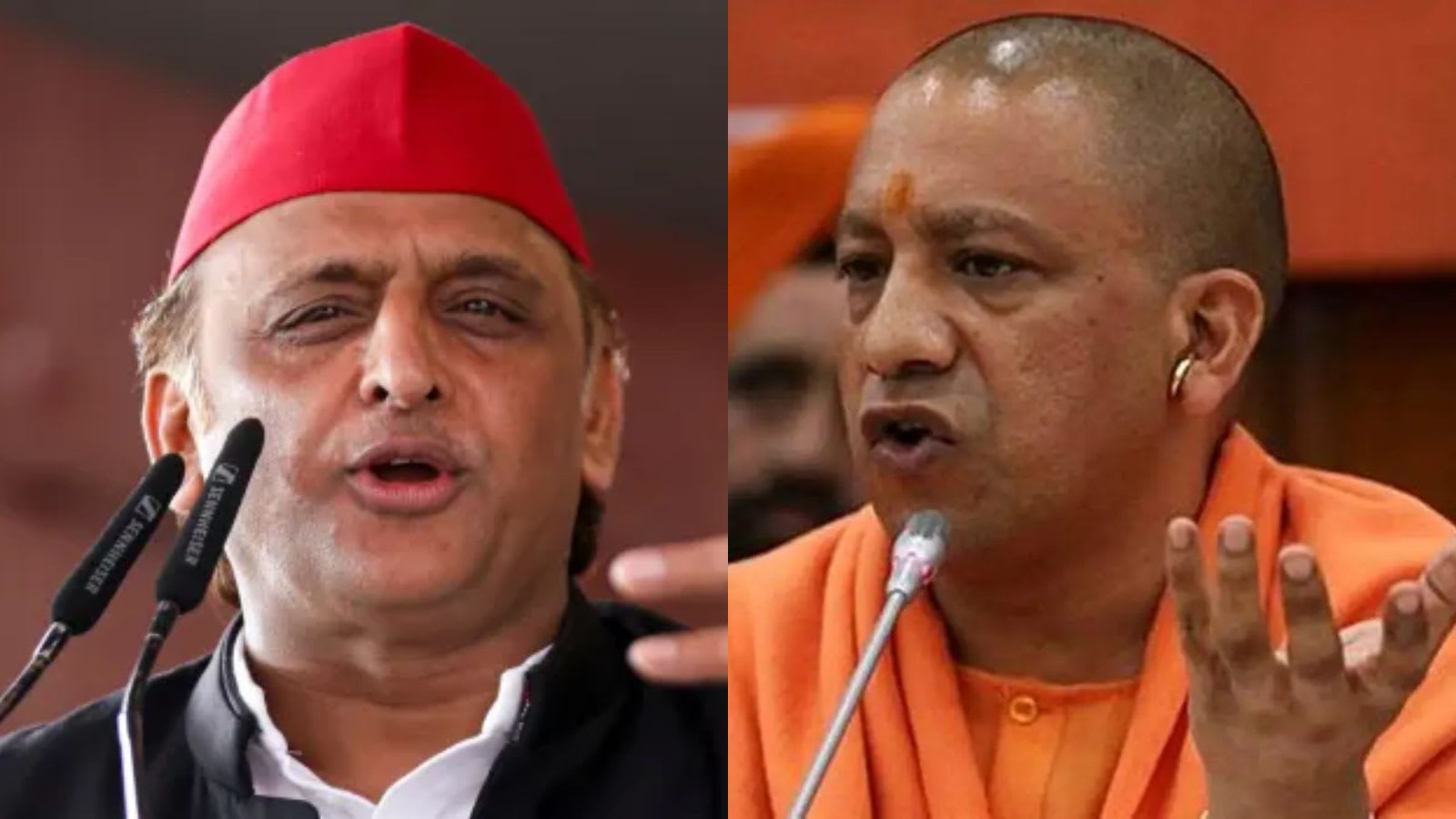
Uttar Pradesh's upcoming Rajya Sabha elections have intensified, with the BJP and SP vying for the final contested seat. The Samajwadi Party's decision to nominate Reliance executive Dhanraj Nathwani has sparked debate, while Akhilesh Yadav calls for political unity ahead of the 2027 assembly polls.
Strategic Tensions in UP Rajya Sabha Elections
The political landscape in Uttar Pradesh is bracing for a high-stakes showdown as the October 16 Rajya Sabha elections approach. With 10 seats at stake, the arithmetic is clear for the two primary power brokers: the Bharatiya Janata Party (BJP) holds sufficient numbers to secure seven seats, while the Samajwadi Party (SP) is positioned to claim two. The electoral focus, however, is laser-focused on the 10th seat, which threatens to become a flashpoint for political maneuvering and potential cross-voting.
The Battle for the 10th Seat
The contest for the final seat has injected a sense of urgency into both camps. The Samajwadi Party’s decision to field a third candidate, despite not having the requisite numbers, suggests a strategy aimed at disrupting the BJP’s dominance and testing party discipline. For the BJP, the risk of cross-voting is a significant concern, with leadership actively monitoring legislators to ensure party cohesion. A loss in this contest would carry symbolic weight, potentially projecting an image of vulnerability ahead of the critical 2027 Uttar Pradesh Assembly elections.
The Nathwani Nomination: A Strategic Shift
Controversy and intrigue have surrounded the SP’s nomination of Dhanraj Nathwani, a senior Reliance Industries executive. This choice stands in stark contrast to the party’s current political branding, which is heavily anchored in the 'PDA' (Pichhda, Dalit aur Alpasankhyak) plank. By selecting a candidate with deep corporate ties—specifically his lineage as the son of Reliance Director Parimal Nathwani—the SP is navigating a complex path between its grassroots ideological commitments and the pragmatic necessity of building broader coalitions.
Akhilesh Yadav’s Call for Unity
In the lead-up to the polls, SP chief Akhilesh Yadav has adopted a conciliatory tone, describing the election period as a "time for coming together." His rhetoric suggests an effort to mend fences with former allies and dissidents. By framing the election as a moment to move past "earlier mistakes" and stand united on principles, Yadav appears to be laying the groundwork for a broader alliance strategy, likely aimed at creating a formidable opposition front against the BJP before the 2027 assembly cycle.
Broader Implications and Future Trends
The intersection of corporate influence, legislative maneuvering, and alliance-building in these elections highlights the evolving nature of Uttar Pradesh politics. The SP’s willingness to risk a third candidate indicates that the party is no longer content with a defensive posture. As the state moves toward the 2027 assembly elections, these Rajya Sabha polls serve as a trial run for party discipline and the efficacy of the PDA outreach strategy.
Conclusion
Ultimately, the Rajya Sabha elections in Uttar Pradesh are more than a contest for parliamentary representation; they are a precursor to the larger ideological and electoral battles looming in the state. Whether the SP can successfully leverage cross-voting or whether the BJP maintains its iron grip on the legislative process remains to be seen. The coming days will be defined by backroom negotiations and the ability of party leaders to hold their ranks together under the pressure of a closely fought contest.