Will Mamata Banerjee Support Rahul Gandhi For Prime Minister In 2029? What She Said
Source Entity
NDTV News Search Records Found 1000
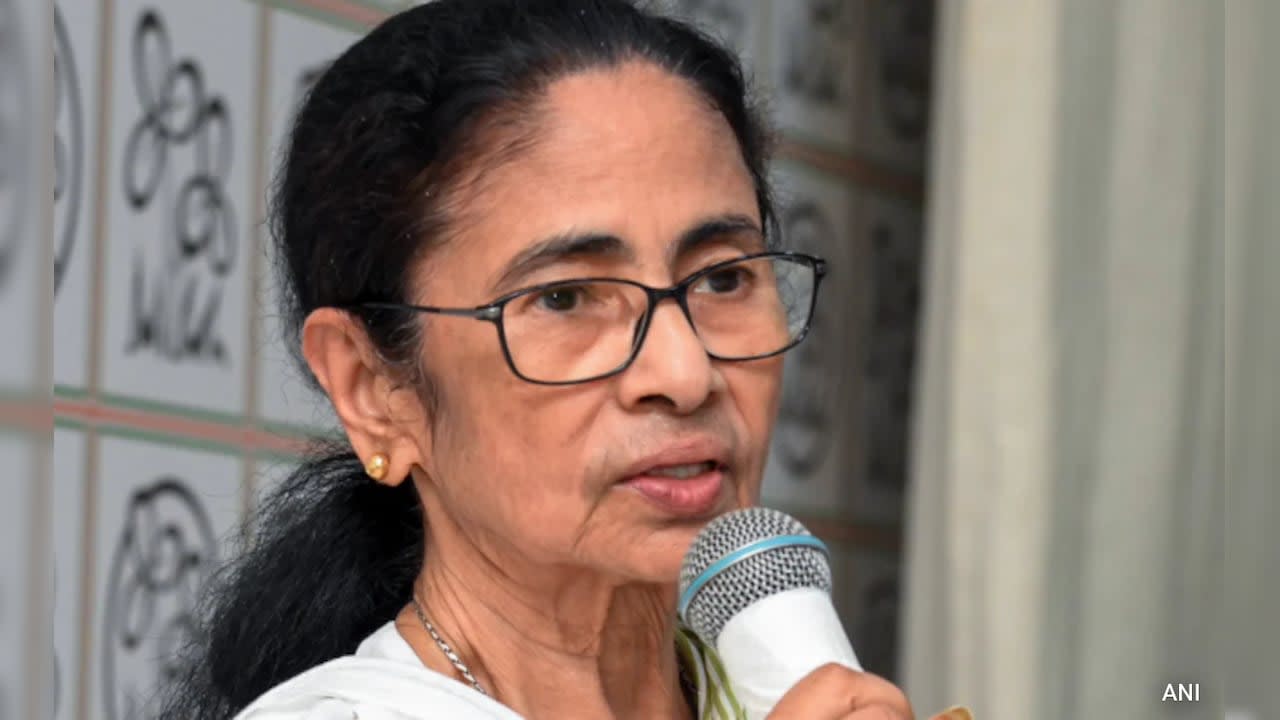
West Bengal Chief Minister Mamata Banerjee recently declined to commit to supporting Rahul Gandhi as the opposition's prime ministerial candidate for 2029. Her non-committal stance highlights the ongoing complexities and internal power dynamics within the Indian opposition bloc.
The Opposition's 2029 Leadership Dilemma
The recent inquiry regarding West Bengal Chief Minister Mamata Banerjee’s potential support for Rahul Gandhi as the Prime Ministerial candidate for the 2029 general election has brought the underlying tensions within the opposition bloc back to the forefront of Indian political discourse. By choosing to sidestep the question, Banerjee has signaled that the path to a unified opposition strategy remains fraught with uncertainty and internal maneuvering.
Navigating Political Alliances
Mamata Banerjee’s refusal to provide a definitive answer is a calculated political move. As the leader of the Trinamool Congress (TMC), her influence in national politics is contingent upon balancing her regional dominance in West Bengal with her role in broader anti-BJP coalitions. Historically, regional leaders have often been wary of consolidating power behind a single national figure from the Congress party, fearing it may dilute their own electoral leverage and state-level autonomy.
The Rahul Gandhi Factor
Rahul Gandhi, as the primary face of the Congress party, continues to be a polarizing yet central figure in the opposition's narrative. While he has led significant grassroots efforts, the question of whether he commands universal acceptance across all opposition partners remains a point of contention. Banerjee’s tactical silence reflects a broader apprehension among regional parties regarding the long-term viability of a singular leadership model that centers exclusively on the Congress leadership.
Broader Implications for the Opposition Bloc
The lack of consensus on a future Prime Ministerial candidate exposes the fragile nature of opposition unity. If the bloc intends to challenge the incumbent government in 2029, the ability to project a cohesive vision—or at least a unified leadership structure—will be paramount. Banerjee’s stance suggests that the opposition is currently prioritizing regional strength and individual party interests over the immediate establishment of a central, unified leadership hierarchy.
Historical Context and Future Trends
Historically, Indian electoral politics have seen shifts between coalition-led governance and dominant party systems. The current reluctance to endorse a specific candidate so far out from the next general election is consistent with the cautious nature of coalition politics. Moving toward 2029, we can expect to see continued friction as regional players negotiate their space within the national framework. The evolution of this relationship will depend heavily on the electoral performance of both the Congress and regional parties in upcoming state and national cycles.
Conclusion
Ultimately, Mamata Banerjee’s sidestepping of the question serves as a reminder that the opposition bloc is not yet a monolithic entity. It remains a collection of parties with distinct regional agendas and varying perspectives on national leadership. Whether this tactical hesitation leads to a eventual consensus or further fragmentation will define the opposition's efficacy in the years leading up to the 2029 contest.
Verification Required?