A city-building game in which the city would prefer you didn't
Source Entity
Hacker News
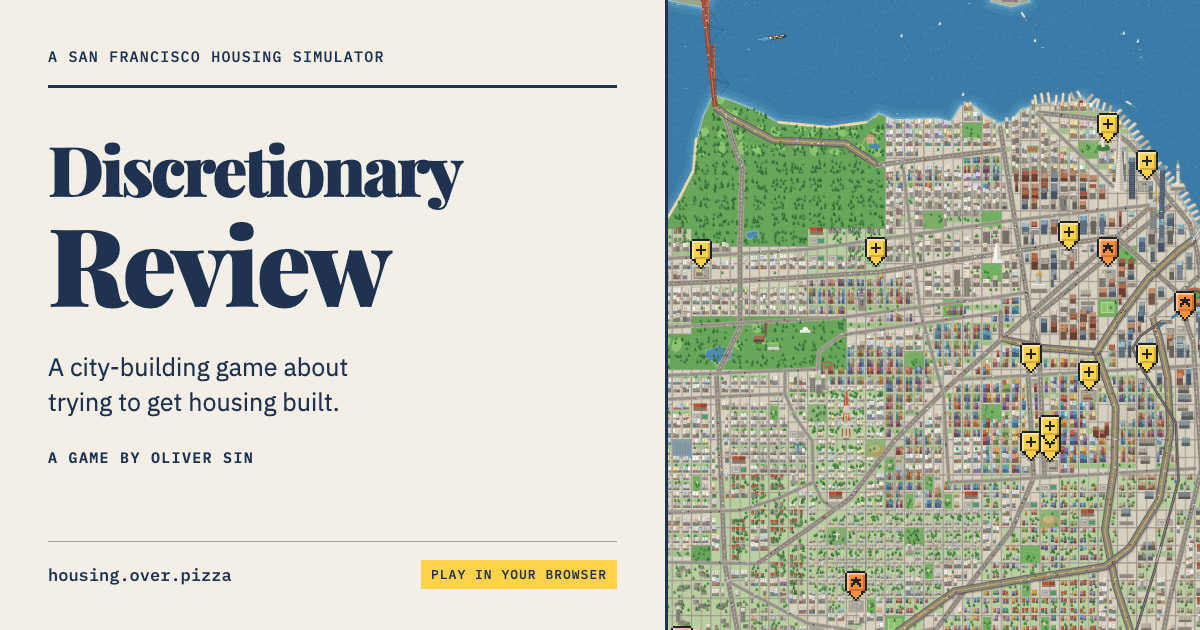
A unique city-building game concept has emerged where the city itself actively resists the player's development efforts. This meta-narrative approach challenges traditional genre tropes by introducing an adversarial relationship between the architect and the environment.
The Adversarial Architecture: Redefining the City-Builder
The emergence of a city-building game where the environment actively resists development marks a significant departure from the traditional power-fantasy dynamics of the genre. In standard titles like SimCity or Cities: Skylines, the player acts as an omnipotent deity or urban planner, imposing order upon a blank canvas. By shifting the agency to the city itself, the developers are exploring a reactive, almost sentient, urban ecosystem that views growth as an intrusion rather than a goal.
Challenging Player Agency
Historically, city-builders have focused on expansion, efficiency, and resource management. This new conceptual model flips the script by framing the 'city' as a protagonist with its own agenda. If the city prefers that the player does not build, every infrastructure project becomes a negotiation or a struggle against the landscape. This creates a compelling ludonarrative tension where the player must balance the objective of development against the 'will' of the terrain, potentially introducing mechanics centered on sabotage, structural failure, or environmental pushback.
The Mechanics of Resistance
From a design perspective, this approach suggests a shift toward procedural generation and reactive AI. Instead of static maps, the game likely utilizes a system where the world responds dynamically to player inputs. If the player attempts to pave over a wetland or construct in a high-density zone, the game could simulate natural disasters or structural decay as a form of 'resistance.' This forces players to adapt their strategies, turning the act of building into a tactical puzzle rather than a straightforward simulation.
Broader Genre Implications
This concept mirrors modern real-world anxieties surrounding urban sprawl, environmental preservation, and the friction between human progress and nature. By gamifying the idea that a city might not want to be built, the developers are tapping into a sophisticated narrative layer that challenges the colonialist roots of many simulation games. It moves the genre toward a more ecological perspective, where sustainability is not just a stat to manage, but a fundamental constraint imposed by the game world itself.
Future Trends in Simulation
As simulation games become increasingly complex, players are looking for more than just sandbox freedom—they are looking for meaningful conflict. We are likely to see a trend toward 'adversarial simulation,' where the environment acts as a non-player character (NPC) with its own survival instincts. This evolution suggests that the future of the genre lies in creating systems that feel alive, unpredictable, and capable of pushing back against the player, ensuring that every victory feels earned rather than guaranteed.