Africa’s ‘unprecedented’ Ebola outbreak could reach UK, says top health official
Source Entity
Sarah Johnson
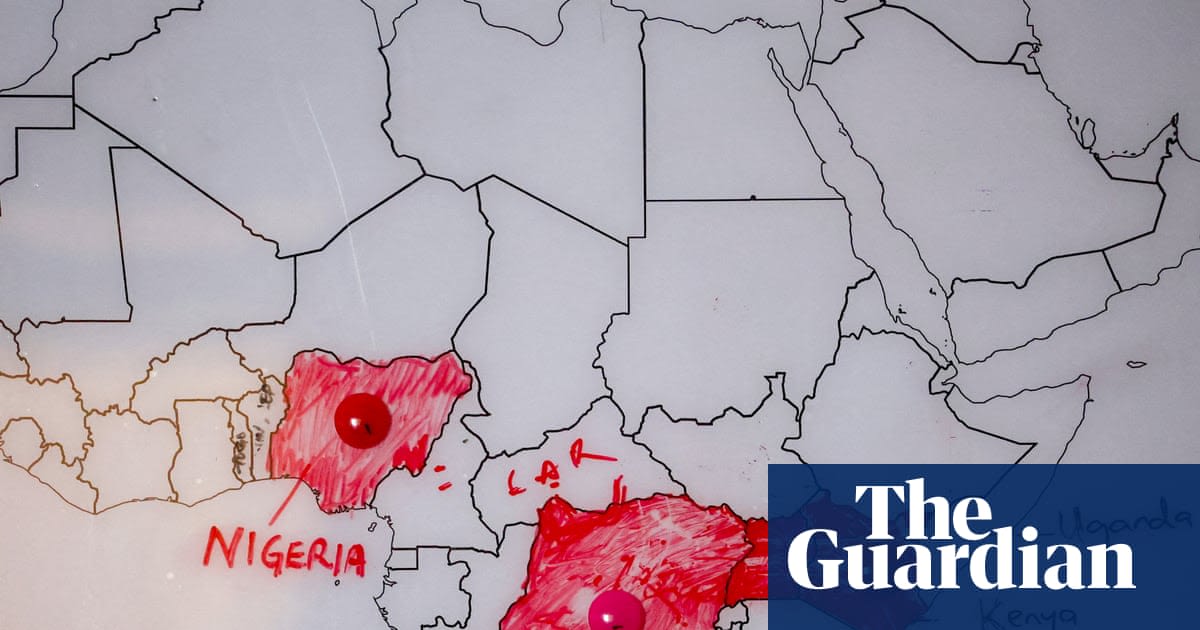
Africa CDC Director General Dr. Jean Kaseya has warned that the unprecedented Ebola outbreak, which has surpassed 10,000 cases, poses a global threat. He urges international cooperation and increased preparedness to prevent the virus from spreading beyond the continent.
The Global Threat of an Unprecedented Ebola Outbreak
A Critical Escalation in Public Health
The recent statements from Dr. Jean Kaseya, the director general of the Africa Centres for Disease Control and Prevention (CDC), mark a significant shift in the global perception of the current Ebola outbreak. With the total case count crossing the 10,000 mark and fatalities approaching 5,000, the situation has moved beyond a regional crisis. Dr. Kaseya’s characterization of this spread as "unprecedented" highlights the urgent need for international vigilance, as the virus continues to challenge existing containment measures and public health infrastructures.
Drawing Parallels to the Covid-19 Pandemic
Dr. Kaseya has explicitly drawn a parallel between this Ebola surge and the early stages of the Covid-19 pandemic. By referencing how the virus originated in a specific locale before rapidly traversing borders to devastate global health systems and economies, he provides a sobering reminder of the interconnectedness of modern travel and trade. This comparison serves as a strategic warning: if the international community treats this as a localized African issue, it risks repeating the failures that allowed previous pathogens to become uncontrollable global health emergencies.
The Imperative for Global Preparedness
The core message from the Africa CDC is clear: no nation is immune to the risks posed by this outbreak. Dr. Kaseya emphasized that countries outside the African continent must urgently reassess their preparedness levels. This includes strengthening diagnostic capabilities, enhancing clinical treatment protocols, and ensuring that healthcare systems are equipped to handle potential imported cases. The assertion that "they are not safe if they don’t take appropriate measures" acts as a clarion call for proactive policy implementation rather than reactive emergency response.
Structural Challenges and Regional Impact
This outbreak is particularly notable for its scope, with reports indicating it is the first time three African regions have been impacted simultaneously. This geographic expansion complicates logistics and resource allocation. The sheer scale of the casualty rate—nearing 5,000 deaths—demonstrates the lethal nature of the current strain and the immense strain being placed on medical resources. The Africa CDC is now spearheading an effort to ensure that preparedness is not just a regional priority but a global one.
Future Trends and Necessary Actions
Looking forward, the trend suggests that without a robust, coordinated international response, the likelihood of cross-continental transmission increases. The path forward requires a unified strategy involving increased funding for research, the rapid deployment of medical supplies, and transparent data sharing between nations. As the world watches, the actions taken by the international community in the coming weeks will likely determine whether this outbreak remains contained or evolves into a broader, more complex global challenge.