Ambulance stuck in pothole for 2 hours, unborn baby dies in Agra
Source Entity
SUDEEP LAVANIA
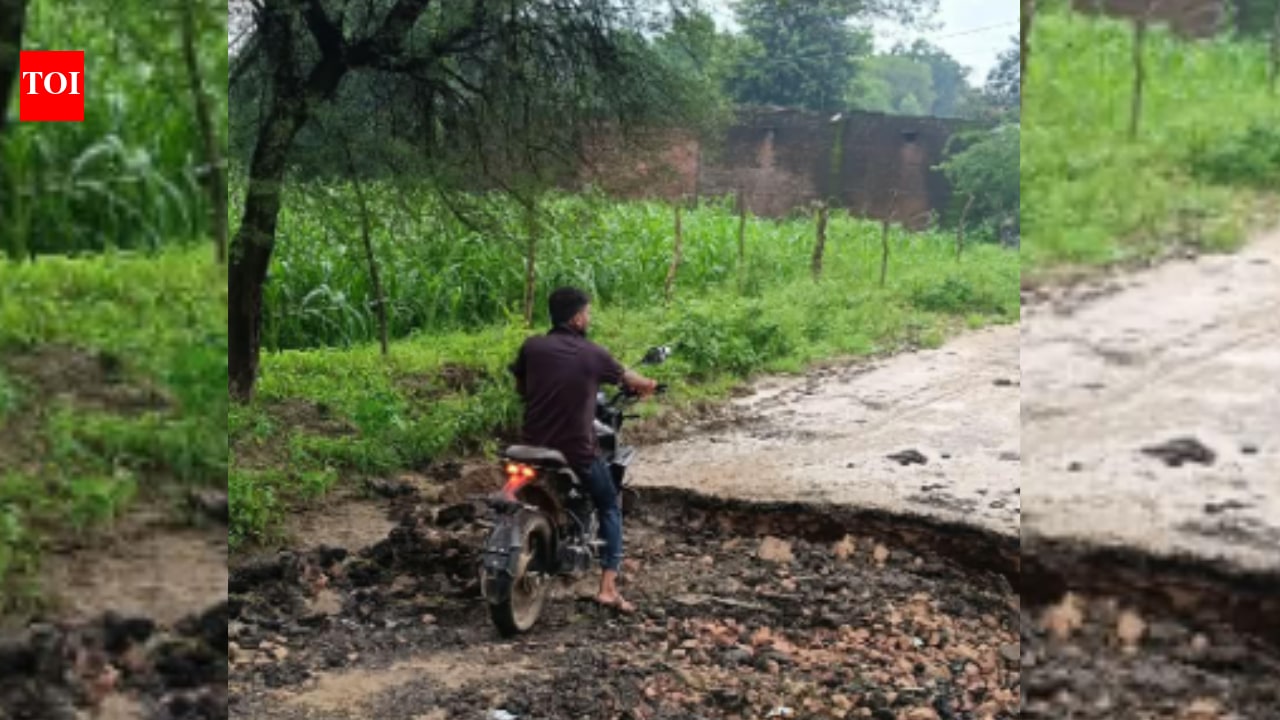
A tragic incident in Agra highlights the lethal consequences of poor rural infrastructure as an ambulance became trapped in a pothole, resulting in an unborn baby's death. Similar systemic challenges persist in regions like Telangana, where expectant mothers are forced to rely on traditional transport to reach medical aid.
Infrastructure Failure Leads to Tragic Loss in Agra
The recent tragedy in the Bah sub-division of Agra, where an unborn child died after an ambulance became immobilized in a massive pothole, serves as a stark indictment of rural infrastructure maintenance. On September 3, what should have been a routine emergency medical transport for a 25-year-old woman in active labor turned into a two-hour ordeal. As the vehicle attempted to navigate the link road connecting Gadhbar village to the main highway, it plunged into a deep, mud-filled crater, rendering the ambulance completely immobile.
The Anatomy of a Preventable Tragedy
Despite the driver's desperate efforts to maneuver the vehicle, the wheels spun helplessly in the mud, wasting critical time during a medical emergency. Villagers attempted to assist in freeing the ambulance, but the structural failure of the road prevented any timely progress. By the time the family managed to reach the health center, the delay had already proven fatal for the unborn baby. This incident underscores the direct causal link between neglected public works and the loss of human life in rural India.
Systemic Road Hazards Across India
This issue is not isolated to Agra; similar infrastructure challenges continue to plague various parts of the country. In Telangana, for instance, reports have surfaced of pregnant women being forced to travel via bullock carts just to reach an accessible point for an ambulance. These two scenarios highlight a recurring pattern where the 'last-mile' connectivity remains a significant hurdle for emergency medical services, disproportionately affecting vulnerable populations in remote areas.
The Broader Implications for Public Health
Access to healthcare is not merely about the availability of hospitals or medical staff; it is fundamentally dependent on the physical infrastructure that connects patients to those facilities. When roads are left in states of disrepair, the efficiency of the entire emergency response system is compromised. The delay in the Agra case represents a failure of administrative oversight, where the lack of road maintenance directly undermined the utility of the government-provided ambulance service.
Administrative Accountability and Future Trends
In the wake of the tragedy, officials have initiated a probe and issued promises for immediate road repairs. However, reactive measures often fail to address the systemic nature of rural infrastructure decay. Moving forward, sustainable development must prioritize the quality of link roads to ensure that emergency vehicles can operate safely regardless of weather conditions. Without a rigorous, long-term maintenance strategy, the risk of similar preventable tragedies remains high for rural residents relying on essential public services.