Renovation turns fatal: Student PG collapse near Delhi University campus kills 5, rescue ops continue
Source Entity
Latest News: Todays Latest News Headlines from India & World | Hindustan Times | Hindustan Times
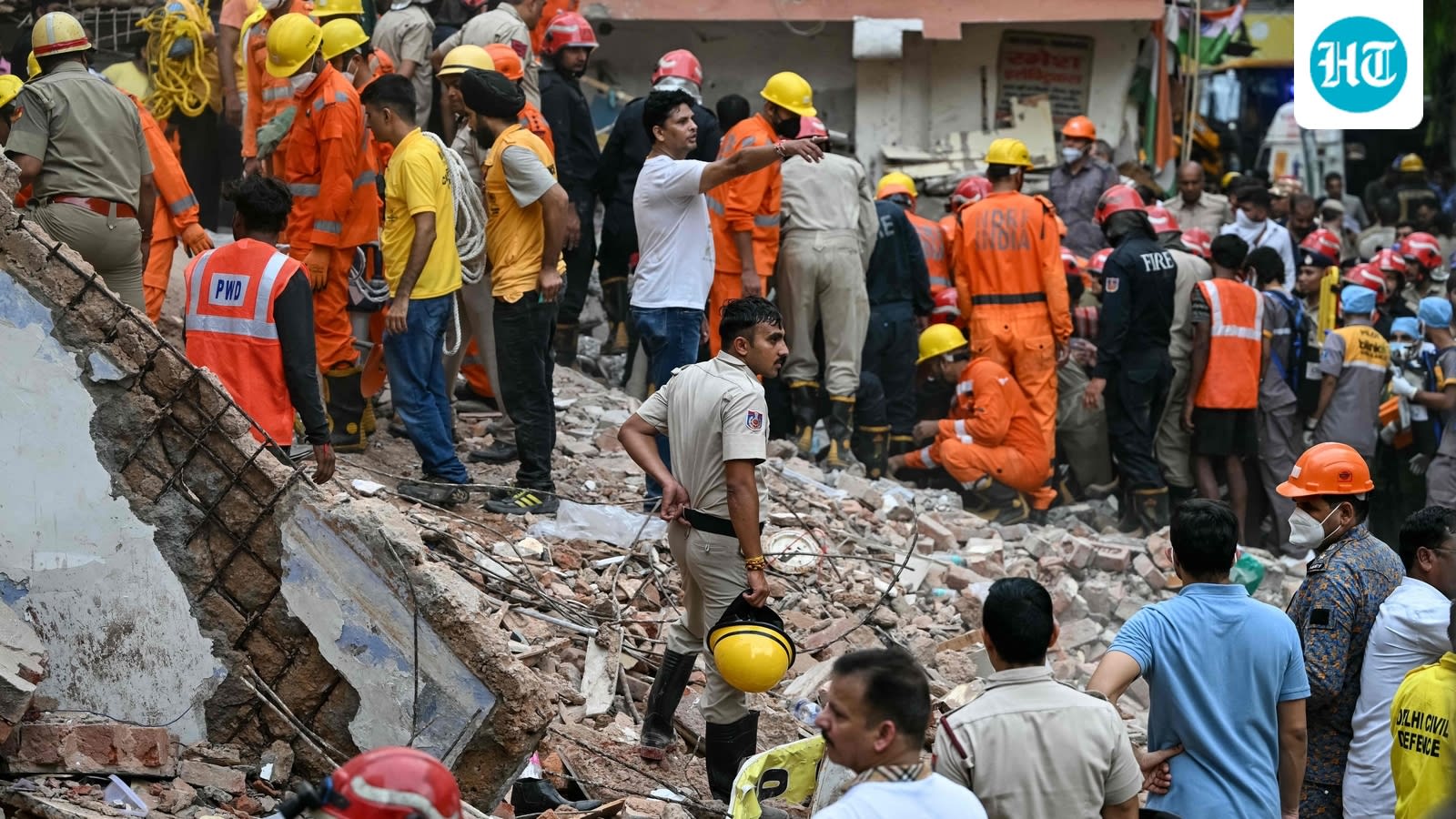
Following a tragic building collapse in Delhi’s Satya Niketan that claimed seven lives, the Supreme Court is intervening to establish pan-India safety guidelines. The court is reviewing ongoing litigation regarding unauthorized constructions and mandatory safety audits for student housing.
The Satya Niketan Tragedy: A Catalyst for Judicial Intervention
The recent building collapse in the Satya Niketan area of South Delhi, which tragically claimed seven lives, has ignited a significant legal response from the Supreme Court of India. The incident, characterized by the collapse of a structure where construction work—specifically on a basement—was reportedly underway, highlights the precarious nature of urban infrastructure in densely populated student hubs. As rescue operations involving specialized units like the Delhi Fire Services have concluded, the focus has shifted from immediate crisis management to long-term regulatory accountability.
Judicial Oversight and Pan-India Guidelines
In a decisive move, the Supreme Court has indicated its intention to take over matters related to unauthorized and unsafe constructions currently pending before the Delhi High Court. The bench, comprising Justice A. Amanullah and Justice R. Mahadevan, is positioning itself to establish comprehensive, pan-India guidelines. This indicates a judicial shift from treating building collapses as isolated municipal failures to viewing them as systemic issues requiring uniform national safety standards.
The Role of Amicus Curiae and Safety Audits
The court has actively engaged an amicus curiae to oversee the situation, specifically focusing on a time-bound inspection and safety audit of student housing across the capital. Given that Satya Niketan is a prominent hub for student accommodations, the vulnerability of these residents is a primary concern. The status report being prepared for the court will likely serve as the foundational evidence to determine the extent of structural negligence and the failure of local oversight bodies.
Urban Planning and Regulatory Failure
The incident underscores a recurring problem in metropolitan India: the proliferation of unauthorized construction and the addition of basements or extra floors without proper structural integrity assessments. The fact that the collapse occurred while construction was in progress suggests a blatant disregard for safety protocols and municipal zoning laws. By potentially consolidating these cases, the Supreme Court aims to bypass localized bureaucratic hurdles that have historically allowed illegal building practices to persist.
Broader Implications and Future Trends
Looking ahead, the Supreme Court’s intervention signals a potential crackdown on illegal real estate practices. If the court successfully mandates a pan-India safety framework, it could force municipal corporations to adopt more rigorous inspection regimes and hold property owners and developers strictly liable for structural failures. This move is expected to reshape the rental and construction landscape in cities like Delhi, where student housing often operates in a gray area of safety compliance.
Conclusion
The tragedy at Satya Niketan has served as a grim wake-up call for urban regulators. With the Supreme Court now steering the discourse, the focus is firmly on ensuring that student housing and residential structures meet stringent safety benchmarks. The upcoming hearings will be critical in determining whether this judicial push will translate into a robust, enforceable policy that prevents future structural catastrophes in India's rapidly expanding urban centers.
Multiple Citing Sources
Verification Required?