Bihar flood situation still grim; 2.24 million hit
Source Entity
Latest News: Todays Latest News Headlines from India & World | Hindustan Times | Hindustan Times
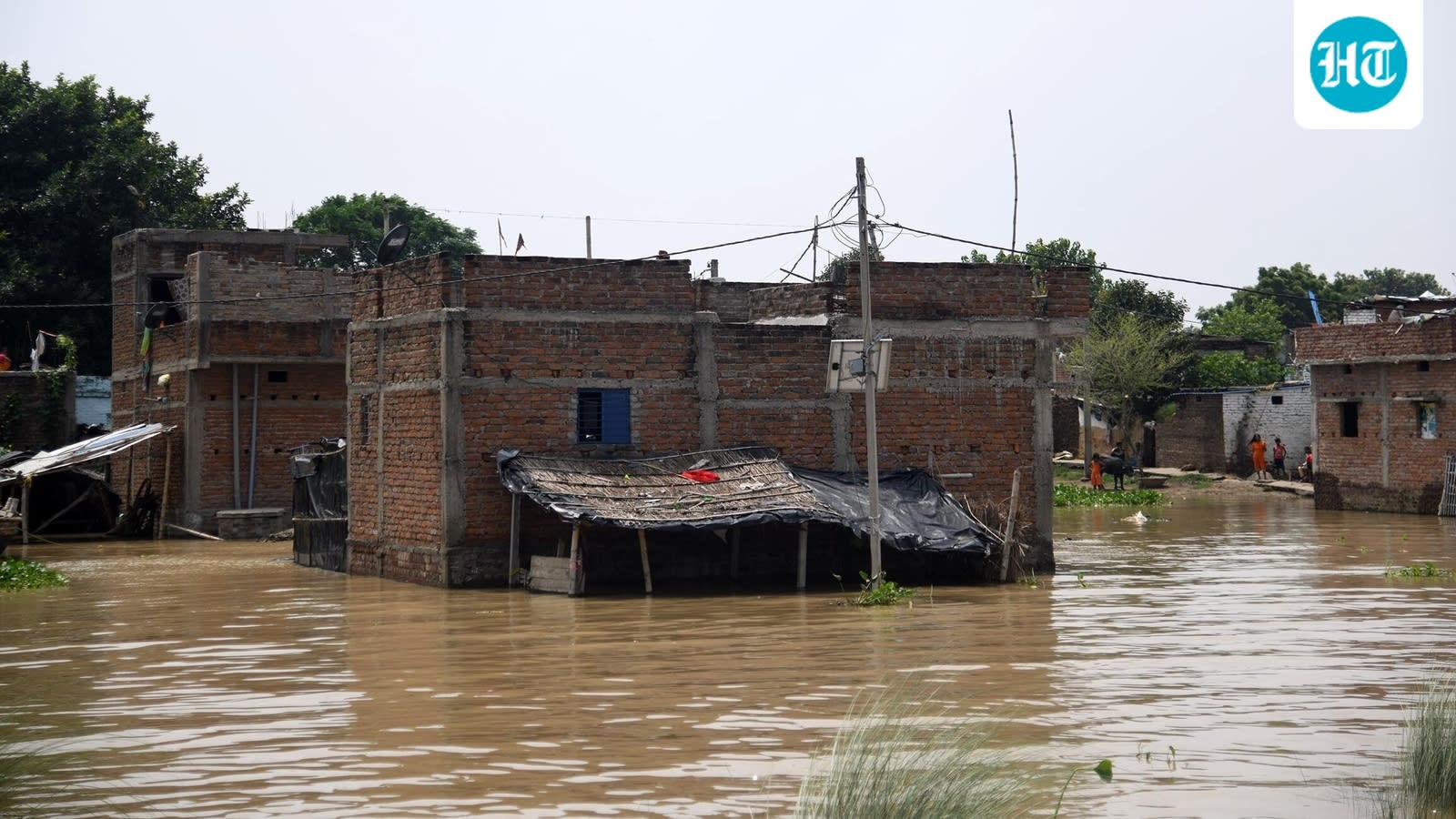
Bihar is facing a severe flood crisis as the Ganga and its tributaries surge past historical flood levels, displacing 2.24 million people. Infrastructure and transportation, including local train services, have been significantly disrupted as authorities struggle with the rising waters.
The Unprecedented Bihar Flood Crisis: An Analytical Overview
Escalating Danger in the Ganga Basin
The current flood situation in Bihar has reached a critical juncture, with approximately 2.24 million people directly impacted by surging waters. The primary drivers of this catastrophe are the Ganga and its tributaries, specifically the Punpun and Dardha rivers. These waterways, swollen by persistent and heavy rainfall in both Bihar and the neighboring state of Jharkhand, have breached historical danger levels, creating a humanitarian emergency that demands immediate and sustained attention.
Surpassing Historical Benchmarks
What distinguishes this flood event from previous occurrences is the sheer volume of water causing the Ganga to exceed its Highest Flood Levels (HFL) at multiple strategic locations. At Gandhi Ghat, the water level reached 50.57 meters, surpassing the 2016 record. Similar breaches were observed at Pandarak, Danapur, and Banka Ghat. These metrics are not merely statistical anomalies; they represent a systemic failure of flood defense mechanisms to contain the immense pressure exerted by the catchment zones' runoff.
Infrastructure and Logistical Paralysis
The impact on regional infrastructure has been severe, particularly concerning the East Central Railway (ECR). The suspension of local train services and the cancellation or diversion of express trains highlight the extent to which the floods have severed critical transport arteries. For a state like Bihar, where rail connectivity is the backbone of daily commerce and essential travel, such disruptions isolate communities and impede the efficient delivery of emergency relief supplies.
The Role of Catchment Dynamics
The geographic reality of Bihar makes it uniquely vulnerable to these flood events. As the terminal point for the drainage of vast catchment areas in Jharkhand and upstream regions of the Ganga, Bihar acts as a basin that bears the brunt of heavy meteorological activity. The current crisis is a direct consequence of this topographical reality combined with extreme weather patterns that have overwhelmed existing drainage and embankment infrastructure.
Future Trends and Risk Mitigation
Looking ahead, the situation at downstream stations such as Hathidah remains precarious. The ongoing monitoring of these levels is essential to prevent further loss of life and property. As climate change continues to influence rainfall intensity, the state must move beyond reactive disaster management toward building more resilient infrastructure. Future urban planning in Patna and surrounding areas will need to account for these new HFL benchmarks to ensure that critical public services remain functional during extreme weather events.
Conclusion
The current flood crisis in Bihar is a stark reminder of the environmental challenges facing the region. With over 2 million citizens affected and historical records being shattered, the focus must remain on immediate rescue operations while simultaneously planning for a future that will likely see more frequent and severe hydrological events. The coordination between meteorological departments and disaster response teams will be the deciding factor in mitigating the long-term impact on the state's recovery.
Verification Required?