‘Cult hit’ Nayak flopped 25 years ago, but people are still questioning system’s corruption
Source Entity
Sampada Sharma
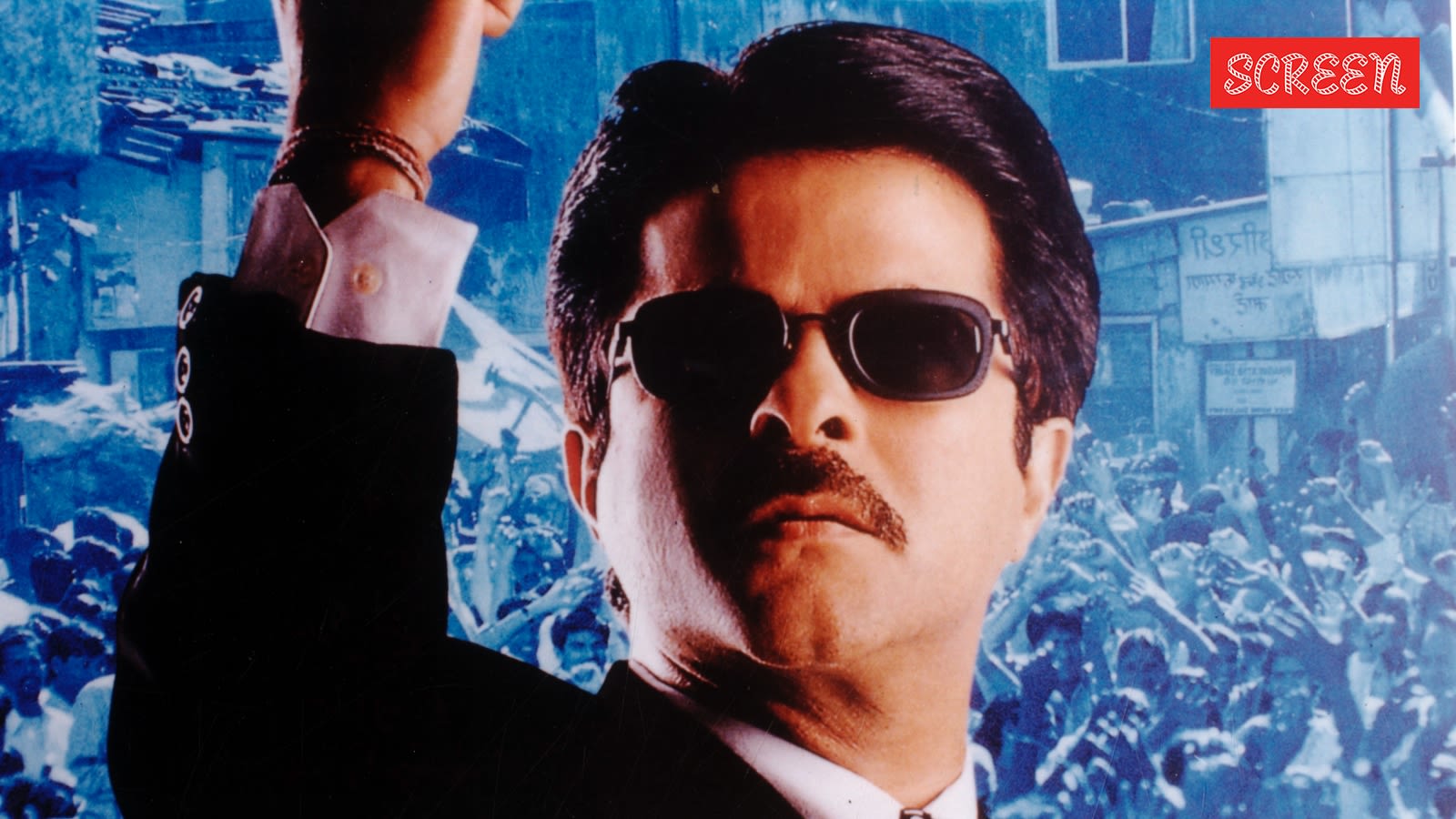
The 2001 film Nayak has re-emerged as a cultural touchstone amidst July 2026 anti-corruption protests in India. Its themes of systemic accountability continue to resonate with a new generation demanding governance reforms.
The Resurgence of Nayak: Cinema as a Mirror to Governance
In July 2026, the political landscape of India was marked by widespread protests led by the CJP, signaling a profound shift in the relationship between the citizenry and the state. As a new generation of Indians actively questions the mechanisms of governance and the prevalence of systemic corruption, the discourse has unexpectedly turned toward the 2001 political thriller Nayak. This cultural phenomenon illustrates how art, despite initial commercial failure, can serve as a long-term barometer for the collective frustration of a nation.
From Box Office Flop to Cultural Icon
When director Shankar released Nayak, starring Anil Kapoor, the film struggled to find commercial success at the box office. However, the last twenty-five years have transformed it into a cult classic. Its persistent presence on television and its frequent citation in contemporary political discourse suggest that the film’s core premise—a common man challenging a corrupt system—is a narrative that remains perpetually relevant in the Indian socio-political context.
The Anatomy of Systemic Frustration
At the heart of both the film and the 2026 protests is the figure of the reporter, Shivaji Rao. In the film, Rao forces a confrontation with political power, mirroring the real-world demands for transparency currently being voiced by protesters. This connection highlights a historical trend where the public utilizes fictional narratives to articulate real-world grievances that are otherwise difficult to process through standard political channels.
The Role of Media and Accountability
The protagonist’s role as a journalist in Nayak is particularly significant. By positioning a media figure as the catalyst for systemic change, the film tapped into the essential democratic need for a watchdog. In the context of the July 2026 protests, this cinematic trope has moved from the screen to the streets, as citizens demand that the institutions meant to serve them be held accountable for their actions and failures.
Future Trends in Political Engagement
The enduring popularity of Nayak suggests that as long as perceived systemic corruption remains a primary concern for the public, the demand for populist, accountability-driven narratives will only grow. Future political movements in India may continue to draw inspiration from such cultural artifacts, using them to mobilize support and frame their objectives. The alignment of this 25-year-old film with modern protest movements indicates that the hunger for systemic reform is a recurring cycle in India's democratic journey.
Conclusion
The intersection of the CJP-led protests and the legacy of Nayak underscores a critical point: art does not exist in a vacuum. As citizens continue to demand answers from their government, the lines between fictional ideals of governance and reality continue to blur. Whether through cinema or direct action, the message from the Indian public is clear: the system is being watched, and it is expected to evolve.