My brief romance with an AI bird feeder
Source Entity
Thomas Ricker
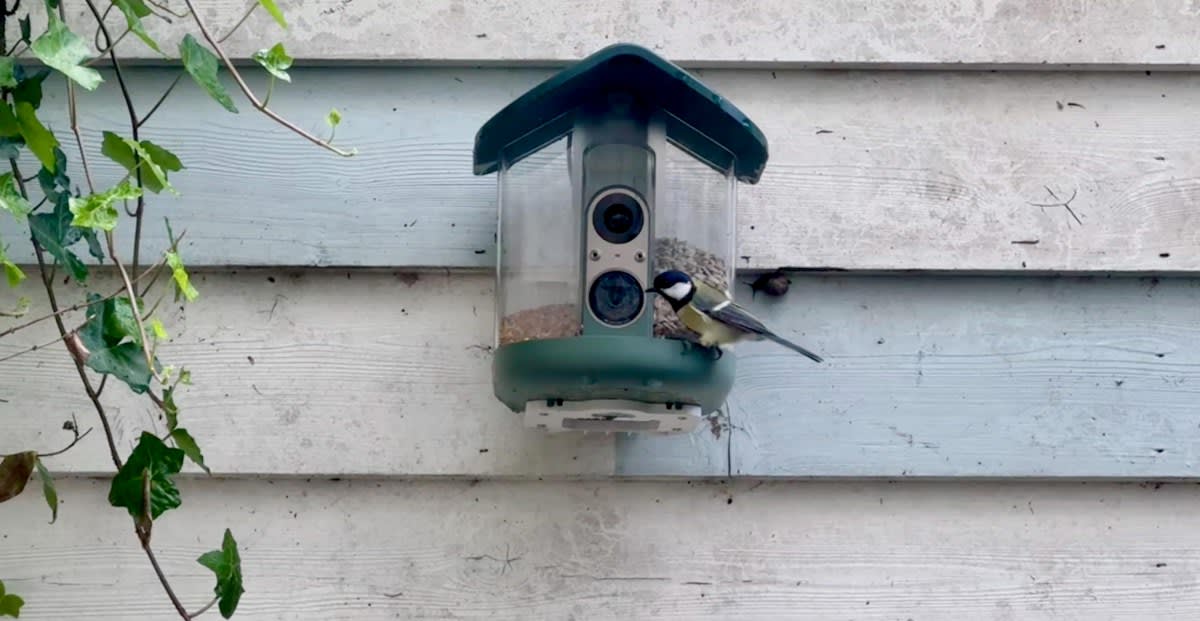
A tech journalist explores the integration of AI-powered hardware in backyard birdwatching through the Kiwibit Bird Feeder 2 Pro. While initially successful in identifying local bird species, the experience highlights the intersection of consumer technology and nature observation.
The Intersection of Artificial Intelligence and Ornithology
The integration of sophisticated AI hardware into domestic hobbies has reached the backyard, as evidenced by the deployment of the $269 Kiwibit Bird Feeder 2 Pro. This device represents a growing trend in consumer technology: the 'smartification' of traditional outdoor activities. By utilizing onboard cameras and machine learning algorithms, these feeders aim to bridge the gap between casual birdwatching and amateur ornithology, providing real-time identification for species like the Great Tit and Eurasian Blue Tit.
The Mechanics of Automated Identification
At the core of the Kiwibit Bird Feeder 2 Pro lies an image recognition system designed to process visual data and cross-reference it with avian databases. This technology is not merely a novelty; it is a complex implementation of edge computing. The device must identify a moving target, capture a clear image, and transmit a notification to the user’s smartphone, all while managing power consumption and connectivity. The success of this system relies heavily on the camera’s ability to differentiate between species in varying light conditions, a common hurdle for consumer-grade wildlife cameras.
Consumer Expectations vs. Technical Reality
For a tech journalist with two decades of experience, the experience of using the Kiwibit feeder serves as a microcosm for the broader 'smart home' revolution. While the device successfully attracted dozens of birds to the garden, the interaction highlights the human element of technology. The initial novelty of receiving notifications—such as alerts identifying local tits—creates an engaging feedback loop. However, it also raises questions about the long-term utility of such devices once the initial excitement wanes, particularly when the system requires high-quality, pre-husked seeds to maintain its attractant power.
Broader Implications for Wildlife Monitoring
Beyond the individual user experience, the proliferation of AI-enabled feeders has broader implications for citizen science. By aggregating data from thousands of connected devices, manufacturers could theoretically create highly detailed, real-time maps of bird migration patterns and population health. This decentralized data collection method could provide ornithologists with insights that were previously difficult to capture, provided that the identification algorithms remain accurate and the hardware remains accessible to the general public.
Future Trends in Smart Outdoor Tech
As we look toward the future, we can expect these devices to become even more autonomous. Future iterations of products like the Kiwibit Bird Feeder 2 Pro may include advanced features like solar-powered charging, weather-resistant structural improvements, and expanded AI capabilities that can track behavioral patterns rather than just species identification. The transition from simple identification to behavioral analysis could transform the backyard bird feeder from a passive feeding station into a significant tool for ecological engagement and education.
Conclusion
The Kiwibit Bird Feeder 2 Pro demonstrates how AI is successfully bringing digital convenience into the natural world. While the technology is currently focused on the immediate satisfaction of identifying avian visitors, its potential to foster a deeper connection with nature is significant. As these systems become more refined and affordable, they will likely become a standard fixture in the modern, connected garden, proving that even the most traditional hobbies are subject to the transformative power of artificial intelligence.