Is your AI data-center stock vulnerable to voter backlash? Use this 5-part test to find out.
Source Entity
Jurica Dujmovic
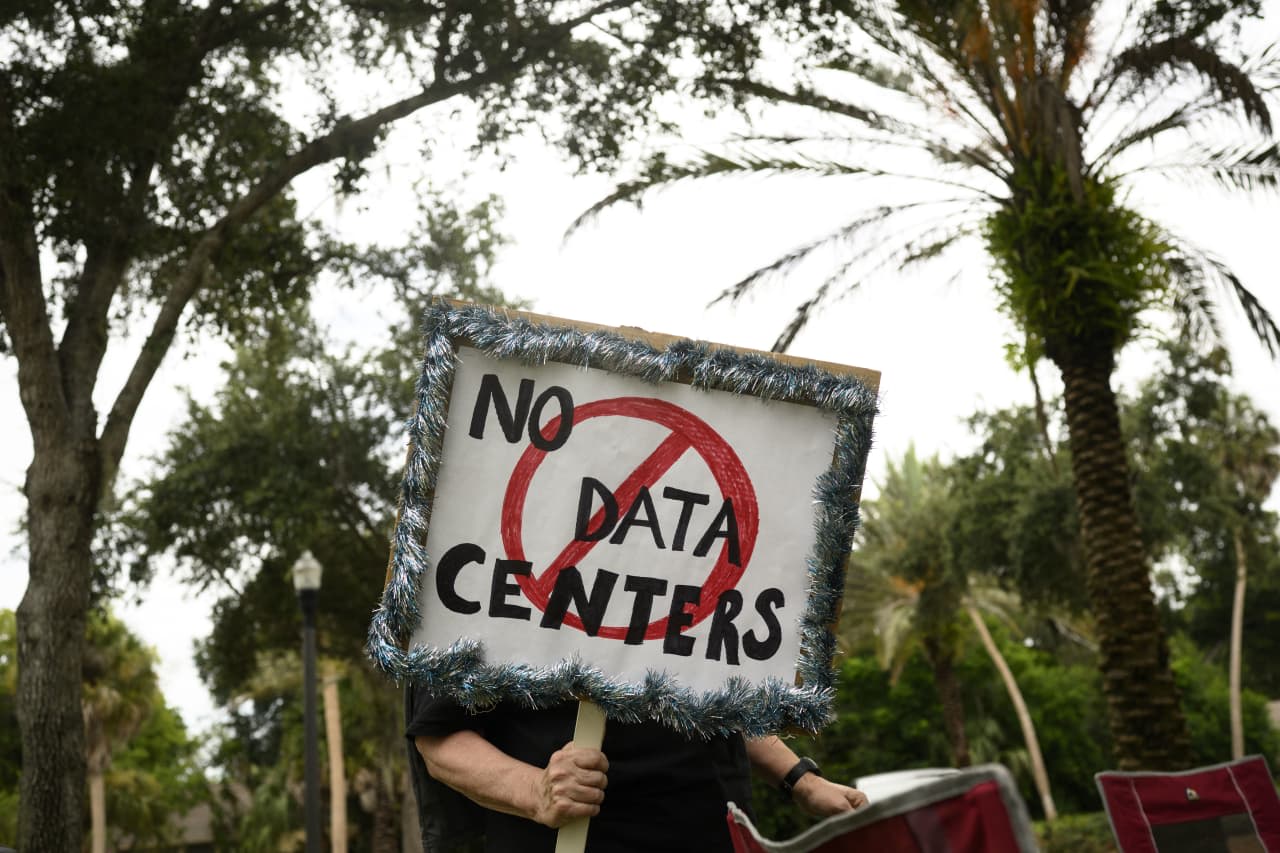
Rising electricity costs are creating a divide between utility stocks, with AI data centers becoming a focal point for voter frustration. Investors must evaluate utility exposure to political backlash as energy demand surges.
The Intersection of AI Infrastructure and Political Volatility
As the artificial intelligence boom accelerates, the massive energy requirements of modern data centers have placed an unprecedented strain on regional power grids. This surge in demand is not occurring in a vacuum; it is directly impacting the retail electricity rates paid by everyday consumers. The current market climate suggests that utility companies are no longer just evaluated on their infrastructure capacity, but on their ability to manage the political and social fallout of these rising costs.
The Consumer-Data Center Conflict
At the heart of the current market shift is a growing disconnect between industrial expansion and domestic affordability. When utility providers prioritize the high-volume, continuous power needs of AI data centers, local grids often reach capacity, necessitating expensive upgrades that are frequently passed down to residential ratepayers. This dynamic has transformed standard utility stocks from stable, low-risk assets into flashpoints for voter anger, as households react to soaring monthly energy bills.
Evaluating Vulnerability in Utility Portfolios
Investors must now adopt a more rigorous analytical framework to identify which utility stocks are shielded from this backlash and which are exposed. The market is effectively separating winners from losers based on their regulatory relationships and the transparency of their rate-hike justifications. Companies that can demonstrate a balanced grid strategy—where data center expansion does not disproportionately burden the consumer—are likely to maintain higher valuations and stable dividends.
The 5-Part Test for Risk Assessment
To navigate this volatility, stakeholders should apply a multi-faceted assessment of their holdings. This includes analyzing the utility’s regulatory environment, the geographical distribution of their customer base, the specific load-growth projections attributed to hyperscale AI projects, the company’s history of public-facing rate disputes, and the long-term sustainability of their infrastructure funding models. These factors are crucial for determining whether a utility provider can sustain growth without triggering a political intervention that could force rate caps or project delays.
Future Trends and Market Implications
Looking ahead, the tension between AI-driven industrial growth and public utility pricing is expected to intensify. As governments face increasing pressure to protect the cost-of-living for constituents, we may see more stringent regulatory oversight on power purchase agreements between utilities and big tech firms. Investors who fail to account for this 'voter backlash' risk may find themselves holding assets that, while fundamentally strong in terms of volume, are politically precarious and susceptible to sudden regulatory headwinds.
Verification Required?