Spies in the sky: how worried should we be about the arrival of AI-enabled smart lamp-posts?
Source Entity
Zoe Williams
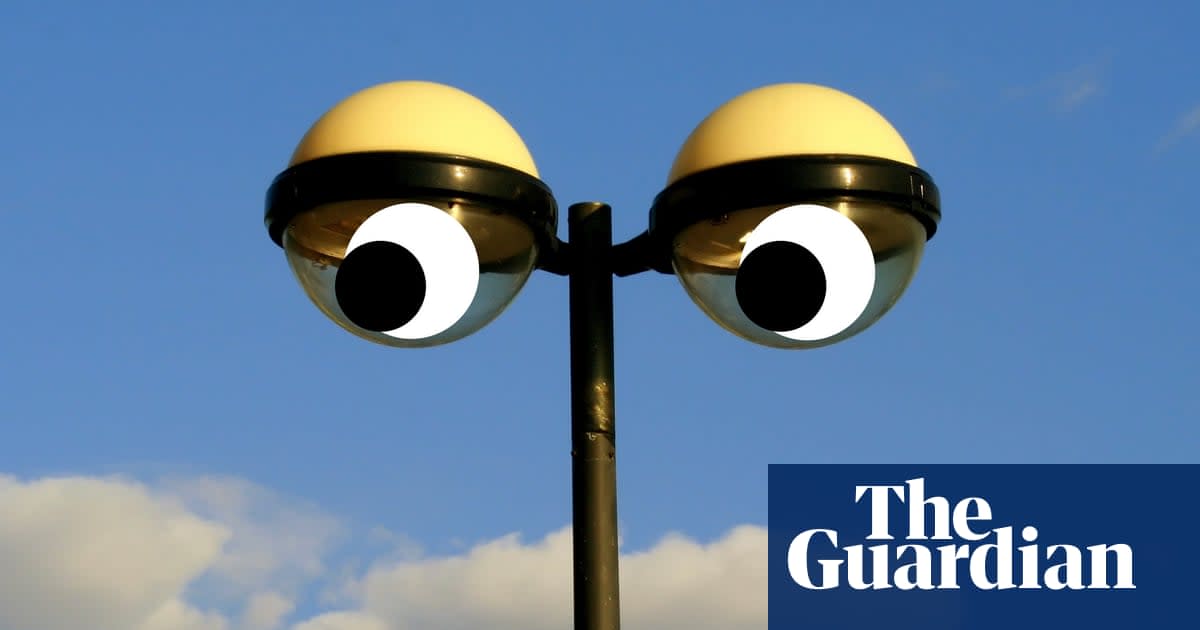
The deployment of AI-enabled 'iLamps' in the UK by Conflow Power Group has sparked significant debate regarding urban surveillance. These smart lamp-posts integrate advanced tracking capabilities, raising concerns about privacy and the potential for a 'panopticon' surveillance state.
The Rise of the Smart Streetscape
The introduction of AI-enabled smart lamp-posts, specifically the 'iLamps' developed by the Warwickshire-based Conflow Power Group (CPG), marks a pivotal shift in urban infrastructure. These units represent a convergence of green energy technology and advanced surveillance, featuring solar-powered capabilities alongside sophisticated monitoring tools. By leveraging their own generated power, these lamp-posts aim to become self-sustaining hubs of data collection, moving far beyond the traditional function of street lighting.
Surveillance Evolution: From CCTV to AI
While society has grown accustomed to Automatic Number Plate Recognition (ANPR) and standard CCTV, the shift toward AI-integrated lamp-posts introduces a new paradigm of monitoring. The capability to perform facial recognition and gait analysis—tracking the unique way an individual walks—represents a significant escalation in the granularity of data collected in public spaces. This technology moves away from reactive recording toward proactive, real-time behavioral analysis.
The Privacy Dilemma and Big Brother Watch
Organizations such as Big Brother Watch have raised alarms regarding the lack of public discourse surrounding these advancements. The primary concern is not merely the presence of cameras, but the hidden potential of AI to identify 'suspicious behaviors' without clear legal or ethical frameworks defining such terms. This creates a scenario where citizens are subject to constant algorithmic assessment, often without their explicit knowledge or consent.
The 'Panopticon' Political Context
The technological deployment occurs within a broader political climate where the concept of a 'panopticon state'—a system where individuals feel they are constantly being watched, leading to self-censorship and behavioral modification—has been openly discussed by government officials. The Home Secretary’s explicit support for such a state structure provides the ideological backdrop for these smart lamp-posts. This alignment between private sector innovation and state surveillance goals suggests a future where public infrastructure is designed with monitoring as a primary, rather than secondary, objective.
Future Trends and Societal Impact
As these technologies become more prevalent, the challenge for policymakers will be to balance the efficiency of smart cities with the fundamental right to privacy. If AI-enabled lamp-posts become the standard for urban lighting, the ability to move through public spaces anonymously may effectively vanish. The future trajectory suggests a race between the rapid implementation of these 'spies in the sky' and the development of regulatory hurdles intended to protect civil liberties in an increasingly digitized public square.