The pros and cons of destructive book scanning by AI firms
Source Entity
Latest News: Todays Latest News Headlines from India & World | Hindustan Times | Hindustan Times
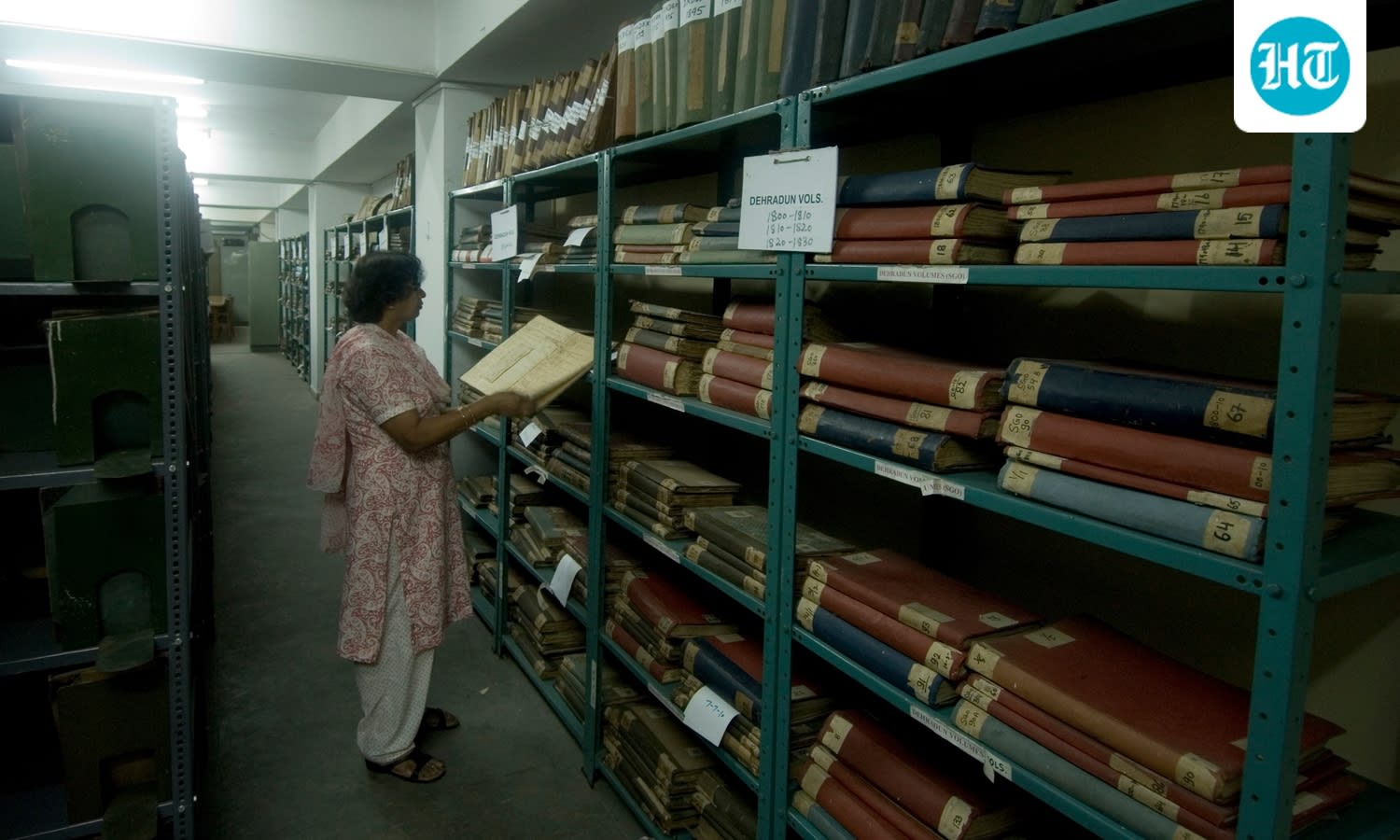
AI developers are increasingly purchasing and destructively scanning rare books to source training data for large language models. This practice threatens historical archives and highlights the tension between technological advancement and the preservation of intellectual heritage.
The Destructive Cost of AI Training Data
The rapid acceleration of the artificial intelligence sector has introduced a controversial methodology for data acquisition: the destructive scanning of physical books. As AI firms scramble to ingest vast datasets, they have turned to second-hand book markets, purchasing volumes not for their content as literature, but as raw fodder for machine learning models. This process involves stripping bindings and feeding loose pages into automated scanners, effectively destroying the physical artifacts in the pursuit of digital optimization.
The Threat to Intellectual Heritage
This practice raises profound ethical questions regarding how modern technology values the 'spines of civilization.' By treating books as disposable inputs, firms risk the permanent loss of rare texts. In the context of India’s intellectual history, this is particularly poignant. Much of the nation's discourse between 1800 and 1950 was preserved in periodicals that have already suffered from systemic neglect, poor management, and budgetary constraints within local libraries. When these remaining artifacts are subjected to destructive scanning, the original physical record is often lost forever.
Technical Drivers: The Problem of Model Collapse
The impetus for this behavior is rooted in technical necessity. Researchers are currently grappling with the phenomenon of 'model collapse,' where AI systems trained on synthetic, AI-generated data begin to degrade in quality. To combat this, developers are seeking high-quality, human-authored content from the pre-AI era. By scraping the unique linguistic structures found in older periodicals and rare books, firms hope to inject 'fresh' human intelligence into their models to maintain performance standards.
The Future of Archival Integrity
As this trend continues, we are likely to see a shift in how libraries and private collectors interact with AI entities. The tension between the need for massive datasets and the imperative of archival preservation will likely necessitate new legal frameworks. If the industry continues to prioritize rapid data ingestion at the expense of physical preservation, we may see a future where the digital history of the 19th and early 20th centuries is preserved, but the tangible evidence of that history has been systematically erased.
Conclusion: Balancing Innovation and Conservation
The current trajectory suggests that without intervention, the 'AI race' will continue to consume historical assets at an unsustainable rate. To mitigate this, firms must balance their hunger for training data with responsible digitizing practices that do not require the destruction of the source material. The preservation of historical periodicals and books is essential not just for the sake of the past, but to ensure that the AI systems of the future remain grounded in the authentic, diverse, and human-authored intellectual traditions of our collective heritage.
Verification Required?