Coffee with capsicum? How data is changing gastronomy
Source Entity
Madhurita Goswami
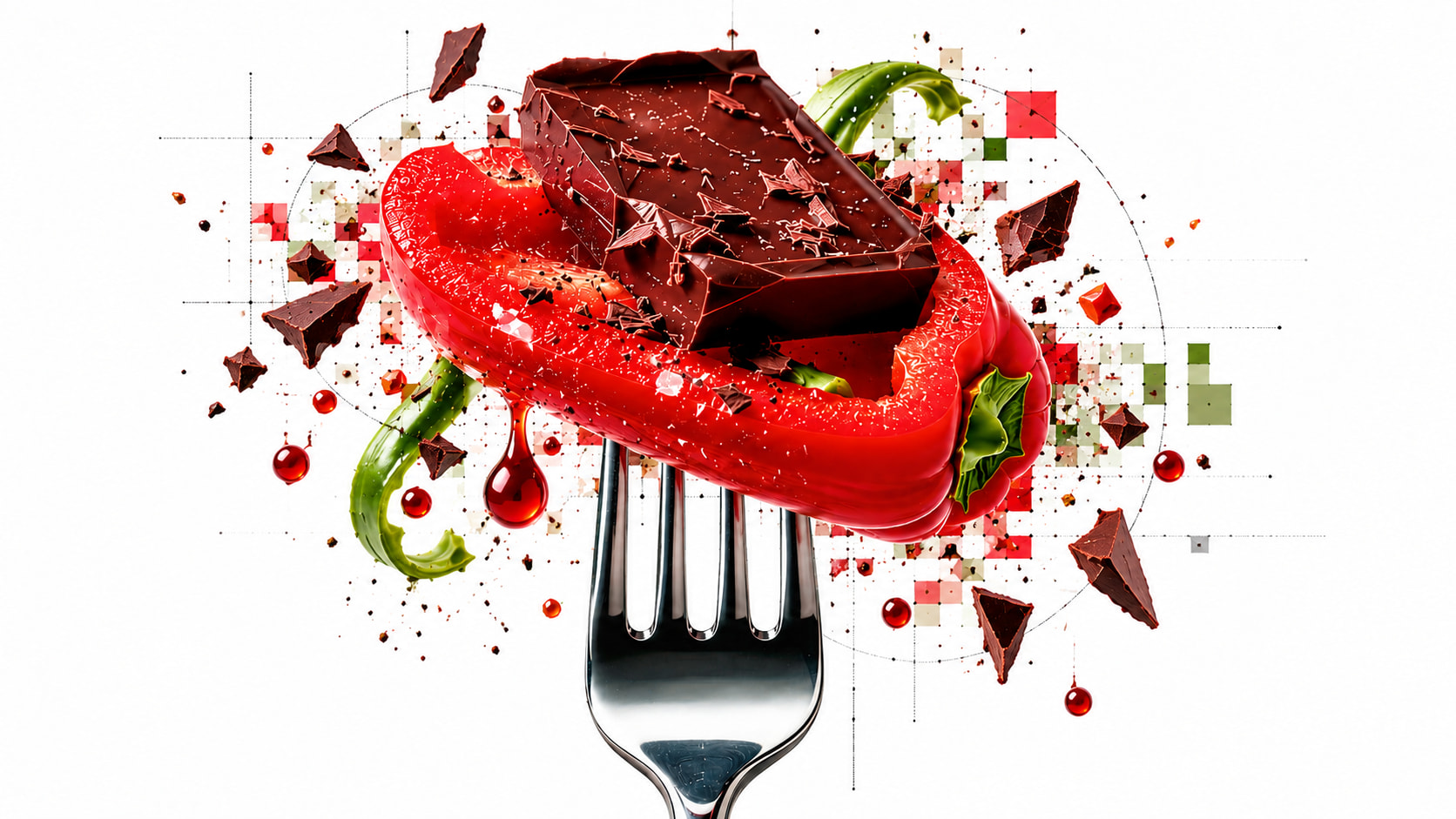
Chef-mixologist Bessararov Grigorii is utilizing the FlavorDB database to innovate culinary pairings by identifying shared molecular profiles. This data-driven approach allows for unique combinations like capsicum and chocolate, pushing the boundaries of traditional gastronomy.
The Data-Driven Kitchen: Redefining Gastronomy
Innovation in the culinary arts is increasingly crossing the threshold from traditional intuition to scientific precision. At the heart of this shift is Bessararov Grigorii, a 31-year-old chef-mixologist at Dubai’s Frank Meat & Taps, who has embraced data as a core ingredient in his creative process. By integrating the FlavorDB database into his workflow, Grigorii exemplifies a growing trend of professionals leveraging digital tools to deconstruct and reconstruct flavor profiles that defy conventional culinary norms.
Understanding FlavorDB and Molecular Gastronomy
FlavorDB functions as an open-access digital repository that maps food ingredients based on their shared flavor molecules. These volatile chemical compounds are the building blocks of taste and aroma, dictating how we perceive food on a sensory level. By cataloging these molecules, the database allows chefs to identify chemical synergies between disparate ingredients—such as the surprising pairing of capsicum and chocolate—that might otherwise be overlooked in traditional recipe development.
Bridging the Gap Between Science and Art
For centuries, gastronomy relied on heritage, geography, and trial-and-error. The transition toward molecular analysis represents a paradigm shift where data science informs sensory experience. Grigorii’s use of FlavorDB, inspired by digital content like Instagram, highlights how modern information accessibility is democratizing complex scientific concepts for practical use in high-end hospitality. This intersection of technology and art allows chefs to push the boundaries of what guests expect from a dining experience.
The Implications of Algorithmic Creativity
As databases like FlavorDB become more prevalent, the potential for food innovation expands exponentially. By identifying shared chemical markers, chefs can create dishes that are scientifically optimized for flavor harmony, even when the ingredients seem intuitively incompatible. This methodology does not merely aim for novelty; it seeks to unlock new sensory dimensions, providing a robust framework for experimentation that transcends cultural and regional culinary constraints.
Future Trends in Culinary Tech
Looking ahead, the integration of data-driven tools in the kitchen is likely to evolve from a niche practice into a standard component of professional culinary training. As AI and machine learning models continue to process vast amounts of molecular data, we can expect to see more personalized and experimental menus. The success of chefs like Grigorii suggests that the future of gastronomy lies in a hybrid model where human creativity is amplified by the analytical power of digital databases, ensuring that the next generation of dining remains both surprising and scientifically sound.