AI or real? BBC analyses viral China disaster videos
Source Entity
BBC News
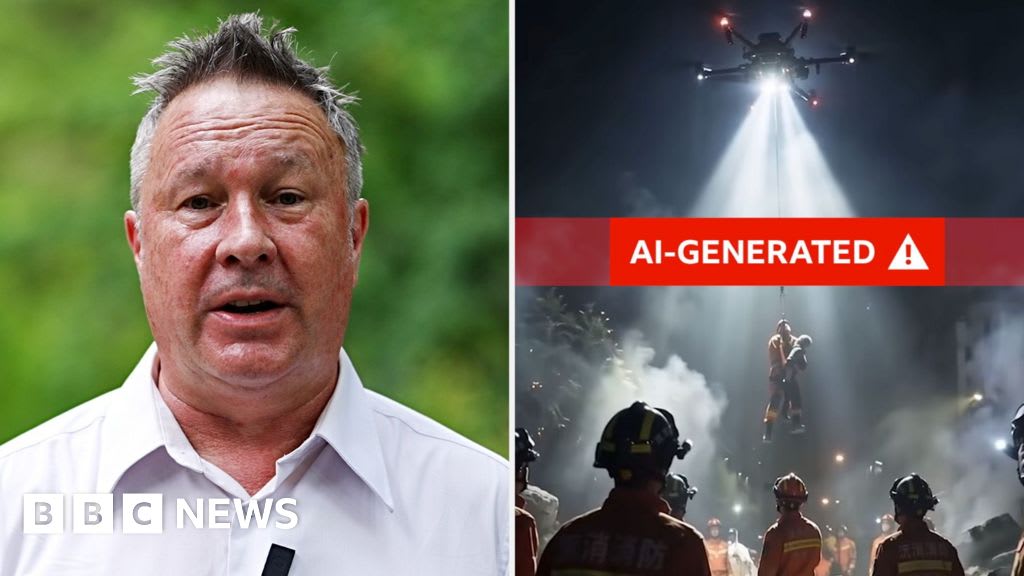
The proliferation of AI-generated disaster videos in China is complicating public perception of extreme weather. Authorities are struggling to combat this misinformation as technological advancements make verifying content increasingly difficult.
The Rising Tide of Synthetic Misinformation
The digital landscape in China is currently grappling with a sophisticated challenge: the rapid spread of AI-generated videos depicting extreme weather events. As climate patterns become increasingly volatile, the public’s heightened anxiety has created a fertile environment for hyper-realistic, yet entirely fabricated, disaster footage. These videos, which often circulate rapidly across social media platforms, blur the lines between genuine meteorological reporting and synthetic content designed to manipulate public sentiment.
The Challenge of Verification
Identifying AI-generated media has transitioned from a technical hurdle to a critical societal issue. As noted by BBC correspondent Stephen McDonell, the sophistication of generative tools has reached a threshold where traditional verification methods are often insufficient. The ease with which users can create high-fidelity, dramatic visuals means that even well-intentioned citizens are inadvertently acting as vectors for misinformation, further complicating the efforts of fact-checkers and news organizations to maintain an accurate public record.
Government Response and Regulatory Hurdles
The Chinese government has formally vowed to crack down on the dissemination of such misinformation, recognizing the tangible, real-world consequences these videos pose. Misleading content regarding disasters can cause unnecessary panic, disrupt emergency response coordination, and undermine public trust in official meteorological services. However, the regulatory response faces a systemic paradox: as the state tightens control over digital information, the decentralized nature of AI-driven content production makes total oversight an immense, perhaps insurmountable, technical challenge.
Broader Implications for Digital Literacy
The intersection of extreme weather and AI-generated imagery suggests a troubling trend for the future of information ecosystems. When the public can no longer discern between verified disaster footage and AI hallucinations, the efficacy of emergency communication is severely compromised. This environment necessitates a significant shift in digital literacy, moving beyond basic fact-checking toward a more nuanced understanding of how synthetic media is constructed and deployed during periods of instability.
Future Trends in Digital Security
Looking ahead, the battle against AI-generated misinformation is likely to spur innovations in digital watermarking and blockchain-based content provenance. If authorities and technology companies cannot implement robust authentication standards, the erosion of public trust could lead to a permanent state of skepticism toward all visual media. The case in China serves as a global bellwether, highlighting the urgent need for a multi-faceted approach involving legislative action, advanced detection software, and enhanced public awareness to mitigate the risks posed by synthetic content in an era of climate uncertainty.