‘Leicester Square, please guv’: Self-driving taxis cleared for London streets ‘later this summer’
Source Entity
Jasper Jolly
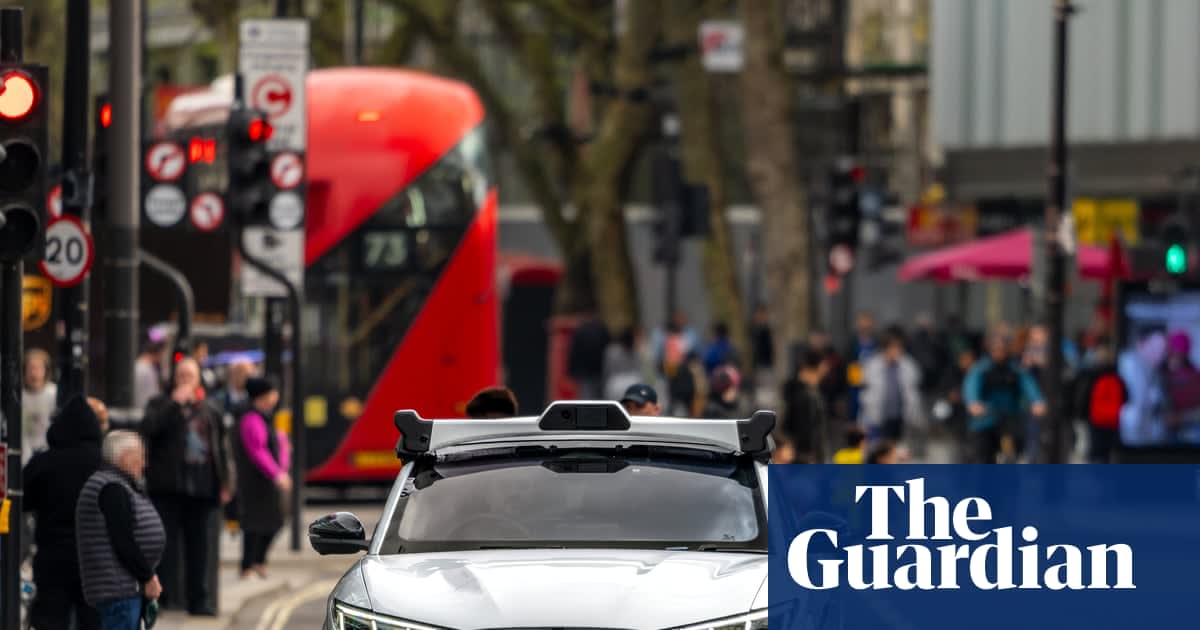
Uber and Wayve have secured licenses to deploy self-driving taxis in London starting this summer, initially utilizing human safety drivers. This move marks a significant milestone in the global race for autonomous vehicle integration in major metropolitan areas.
The Dawn of Autonomous Transit in London
The landscape of urban transportation in the United Kingdom is set for a historic transformation as Uber and autonomous technology developer Wayve have been granted the first minicab licenses to operate self-driving taxis in London. This development, slated for a rollout 'later this summer,' represents a significant leap forward in the integration of artificial intelligence into the city's complex traffic infrastructure. While the initial phase will mandate the presence of a human safety driver to ensure passenger security and system oversight, the authorization marks the beginning of a new era for British transit.
A Competitive Global Frontier
This initiative places London at the epicenter of a high-stakes global competition between major tech powers. The collaboration between the San Francisco-based ride-hailing giant Uber and the London-based Wayve places them in direct contention with industry titans like Google’s Waymo and the Chinese firm Baidu’s Apollo Go. The international significance of this rollout cannot be overstated, as London becomes one of the few global stages where American and Chinese-backed autonomous technologies will share the same roads, providing a unique environment to test comparative safety standards and navigation efficiency.
Managing Public Expectations and Safety
Despite the technological promise, the companies are proceeding with a measured approach. The requirement for a human safety driver serves as a critical bridge between current manual operations and the future of fully autonomous transit. This 'supervised' phase is designed to build trust with the public and regulatory bodies, ensuring that the software can handle the notoriously unpredictable nature of London’s historic street layouts. The high demand for this service is already evident, with reports indicating that over 100,000 Londoners have already joined the waiting list for the pilot program.
Broader Urban Implications
The integration of autonomous vehicles into a city as dense as London carries profound implications for urban planning, traffic management, and the gig economy. If successful, this technology could eventually reduce congestion and optimize travel times, though it also raises complex questions regarding the future of traditional taxi and ride-hailing employment. As the pilot progresses, the data collected will likely influence government policy on autonomous transit, setting a precedent for how other major international cities might approach the legal and ethical framework of driverless transport.
Future Trends and Outlook
Looking ahead, the success of the Uber and Wayve collaboration will serve as a barometer for the viability of autonomous ride-sharing in European markets. If the pilot demonstrates that these vehicles can navigate London’s unique traffic challenges effectively, we can expect a rapid expansion of similar services. The transition from supervised to fully driverless operations will be the next major hurdle, necessitating rigorous safety validation and continuous software updates to meet the stringent requirements of UK transportation authorities.
Conclusion
In summary, the granting of these licenses is a landmark event that positions London as a global leader in the deployment of autonomous vehicle technology. By balancing innovation with the safety net of human oversight, Uber and Wayve are carefully navigating the path toward a future where self-driving taxis are a standard component of urban life. The eyes of the global tech community will remain firmly fixed on London this summer as the city begins this ambitious technological experiment.