Santoli: We are nearing a now-or-never moment for the AI trade to rebound
Source Entity
US Top News and Analysis
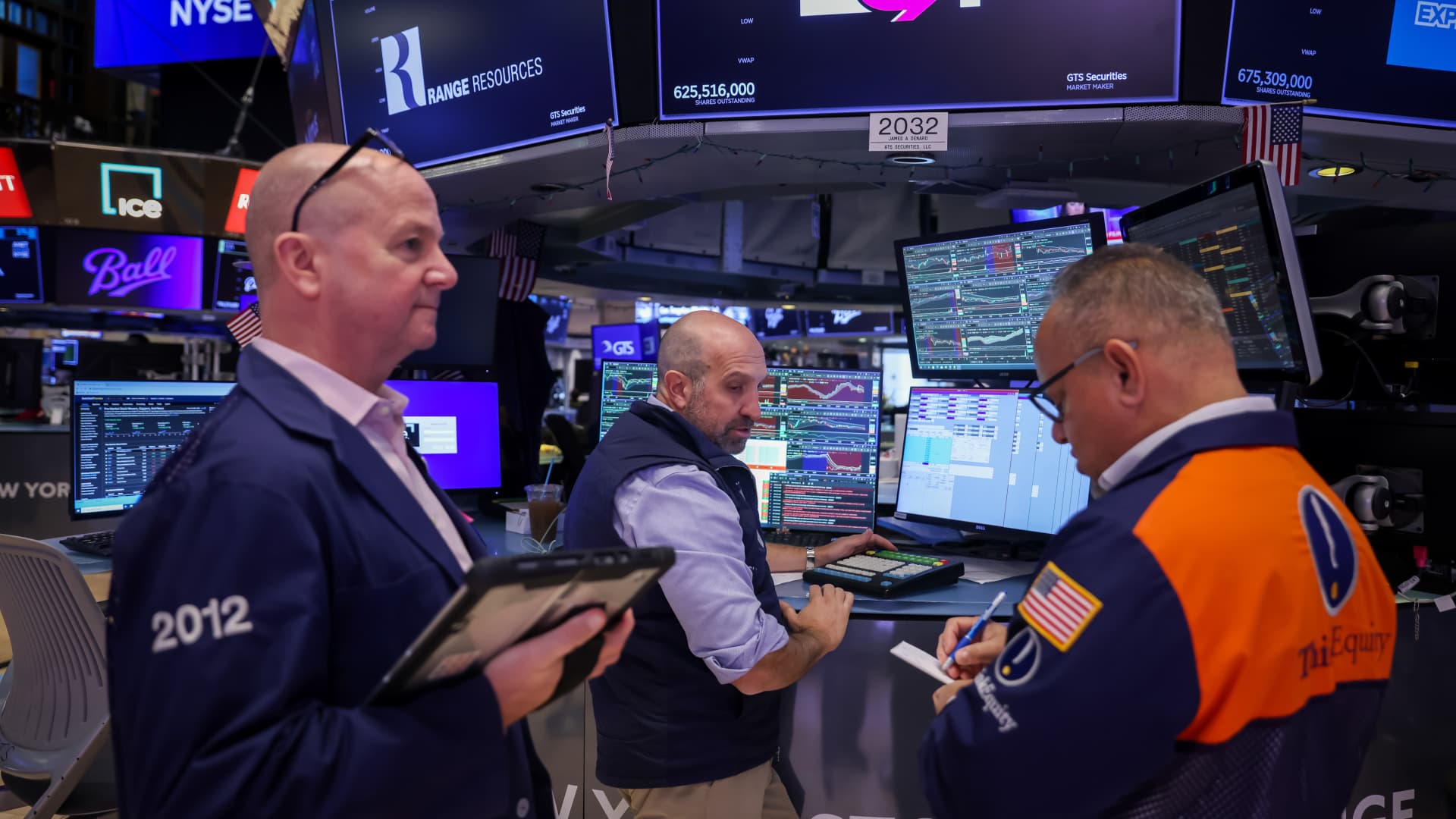
The AI stock market is experiencing a critical valuation correction as high interest rates challenge previous growth models. Investors are witnessing a shift in sentiment, highlighted by Procter & Gamble's valuation surpassing Alphabet.
The AI Market at a Crossroads: Assessing the Valuation Pivot
The End of Unchecked Expansion
For months, the market has grappled with the sustainability of the Artificial Intelligence investment surge. As noted by analysts, we are reaching a 'now-or-never' moment for the AI trade to demonstrate tangible returns. The rapid ascent of AI-centric stocks, which previously disregarded traditional valuation metrics, is now facing the harsh reality of a higher interest rate environment. According to Michel Lerner of UBS, the historical pattern of massive surges in investment followed by unsustainable profitability is currently being tested, forcing a necessary return to fundamental valuation rules.
Market Sentiment and the 'Pampers' Paradigm Shift
An illustrative indicator of this shifting sentiment is the recent valuation flip between tech giants and consumer staples. Procter & Gamble, a titan of household goods, has seen its valuation cross above that of Alphabet. This rotation suggests that investors are pivoting away from speculative high-growth tech toward defensive, cash-flow-positive equities. The market is no longer rewarding the 'AI-first' narrative blindly; it is demanding the stability and reliability that legacy corporations provide during periods of macroeconomic uncertainty.
Analyzing the Volatility of the AI Trade
The performance of the iShares AI Innovation ETF serves as a stark case study in market volatility. The sector has experienced a violent cycle, collapsing 35 percentage points relative to the equal-weight S&P 500, attempting a partial recovery, and subsequently relinquishing those gains. This 'churn' reflects a market that is struggling to find its footing. The S&P 500 itself has remained largely stagnant, trading within a narrow range for months, effectively canceling out the gains of previous rallies and signaling that the broader market is in a state of exhaustion rather than consolidation.
Distinguishing Resilience from Stagnation
The crucial challenge for investors today is distinguishing between a 'restorative rest' and 'unhealthy stagnation.' While the current period of sideways trading and constant repositioning has allowed for a tactical cooling of overheated assets, the duration of this stagnation is becoming a concern. If the market continues to trade in these tight ranges without a clear catalyst, the risk of fatigue outweighs the potential for a swift rebound. The current technical landscape suggests that the market is still processing the 'shocks' of recent months, leaving investors in a state of overthinking and cautious hesitation.
Future Trends and Concluding Outlook
Looking ahead, the AI sector must reconcile its growth ambitions with the limitations imposed by higher interest rates. The era of 'growth at any price' is likely behind us, replaced by a mandate for efficiency and proven profitability. Should the AI trade fail to rebound from its current levels, it may signal a long-term shift in institutional allocation away from high-beta tech stocks toward value-oriented sectors. Ultimately, the market is entering a phase of accountability where only companies with sustainable, scalable business models will thrive in the face of persistent economic headwinds.