No abnormality in fuel switch of Air India’s Boeing 787 grounded in February, Centre tells Parliament
Source Entity
India Latest News: Top National Headlines Today & Breaking News | The Hindu
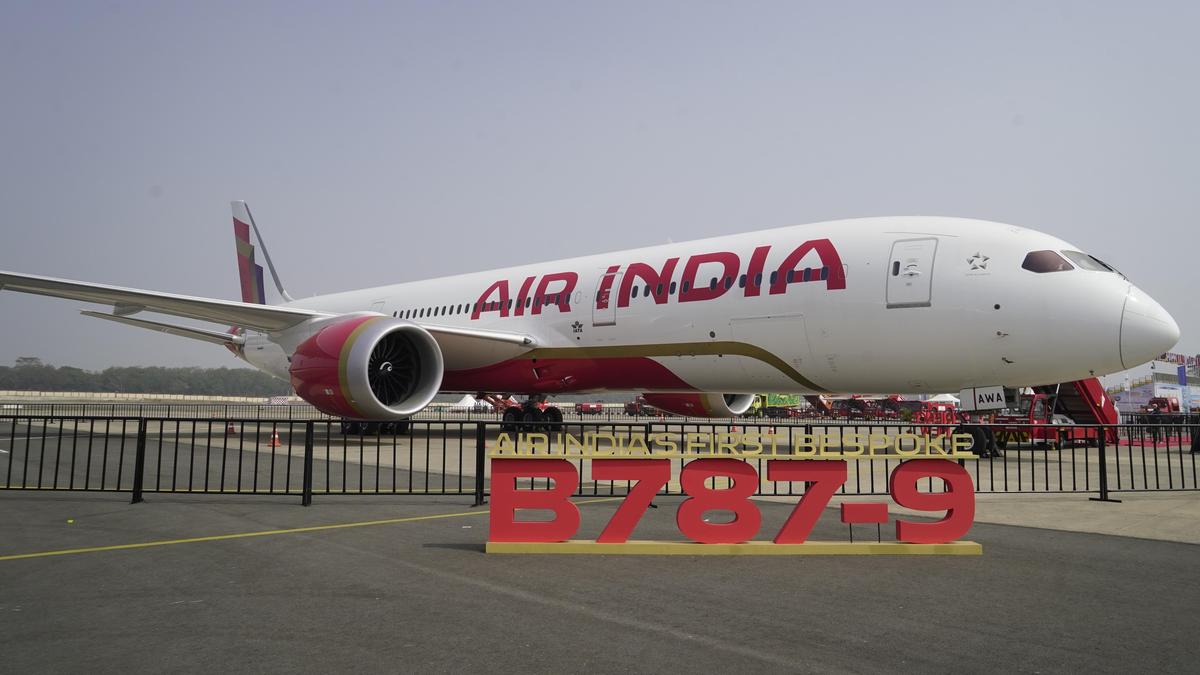
The Indian government has confirmed that inspections of a grounded Air India Boeing 787's fuel control switch revealed no abnormalities. Further investigations into the aircraft's thrust control module remain ongoing at the manufacturer's facility in Seattle.
Investigation Update: Air India Boeing 787 Fuel Switch Findings
Overview of the Investigation
The Union government of India has officially addressed concerns regarding the safety of its Boeing 787 fleet, specifically focusing on an Air India aircraft that was grounded in February. Minister of State for Civil Aviation Murlidhar Mohol informed the Rajya Sabha that rigorous inspections conducted at the Original Equipment Manufacturer’s (OEM) facility in Seattle, U.S., have cleared the aircraft's fuel control switch of any defects. This development follows a pilot's report of a suspected malfunction prior to a scheduled London-Bengaluru flight, which prompted the grounding of the plane to ensure passenger safety.
Technical Scrutiny and Findings
The investigation specifically targeted the structural integrity of the fuel control switch detents, which are critical components for managing fuel delivery systems in flight. According to the government’s statement, the testing process was exhaustive, aiming to replicate the conditions reported by the flight crew. The finding of "no abnormality" suggests that the specific component in question was functioning within the established design parameters provided by the manufacturer, Boeing, at the time of the inspection.
The Role of the Thrust Control Module
While the fuel switch has been cleared, the investigation is far from complete. Authorities are currently focusing their attention on the broader "thrust control module," which serves as the housing for the fuel control switches. This modular approach to the investigation is standard in aviation safety, as it allows engineers to determine if an issue originates from a discrete part or is a result of a broader mechanical or electronic interaction within the engine control system.
Implications for Aviation Safety
This incident highlights the stringent safety protocols governing the aviation industry, particularly regarding the Boeing 787 Dreamliner. When a pilot reports a potential anomaly, the immediate grounding of the aircraft serves as a precautionary measure to prevent potential incidents. The fact that the Indian government sought the expertise of the OEM in Seattle underscores the collaborative nature of global aviation safety, where manufacturers and regulators work in tandem to maintain the airworthiness of complex machinery.
Historical Context and Future Trends
The mention of the AI 171 incident in Ahmedabad has naturally placed additional scrutiny on Air India's fleet operations. Historically, aviation regulators prioritize transparency and exhaustive testing to maintain public confidence in air travel. As the investigation into the thrust control module continues, the findings will likely influence future maintenance schedules and inspection protocols for the 787 fleet. The focus remains on ensuring that these high-tech systems continue to perform reliably under all operational conditions.
Conclusion
In summary, the preliminary results regarding the fuel control switch provide a level of reassurance to both the airline and the traveling public. However, the ongoing examination of the thrust control module remains the critical next step. The government's commitment to reporting these findings to Parliament demonstrates a high level of accountability, ensuring that the final assessment of this incident is grounded in rigorous technical evidence.
Verification Required?