Dope Test For All Air India Pilots After Captain Found Positive For Marijuana
Source Entity
NDTV News Search Records Found 1000
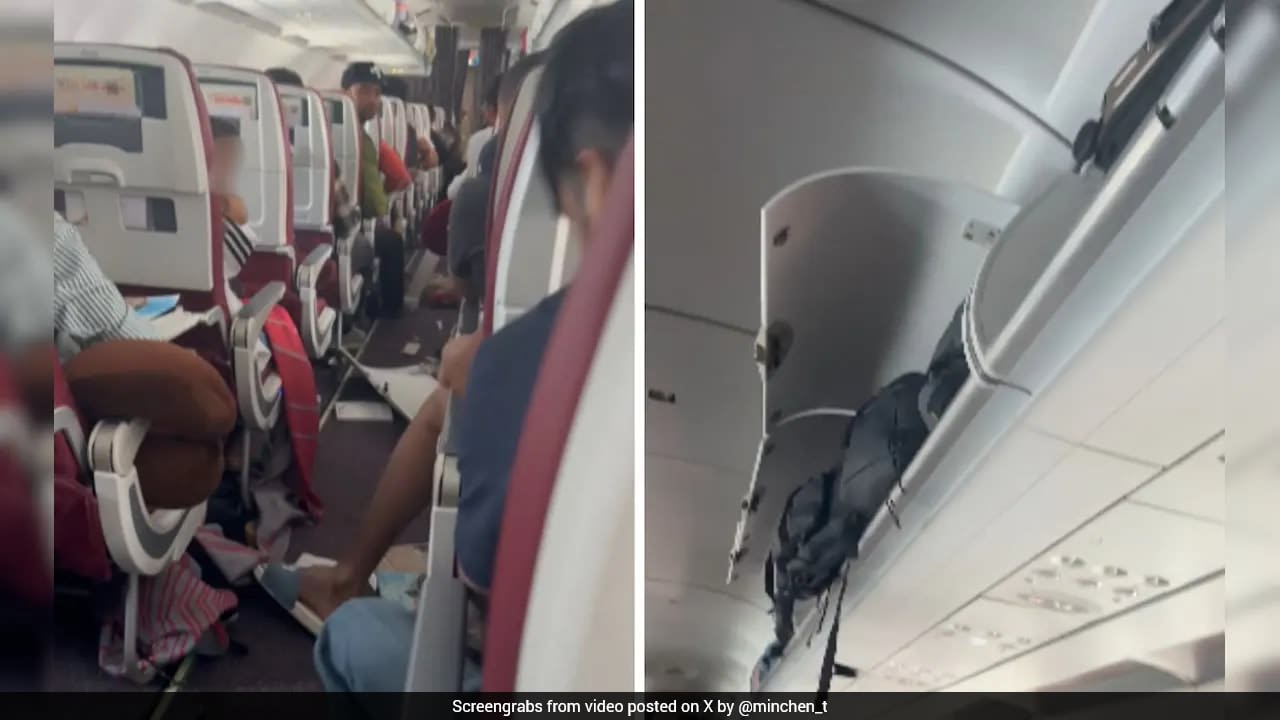
Air India has initiated mandatory substance screening for all group pilots following a serious mid-air incident involving a Phuket-Delhi flight. This move follows the revelation that the pilot-in-command of that flight tested positive for marijuana.
Air India Implements Mandatory Pilot Drug Screening
Following a harrowing mid-air incident on a Phuket-Delhi flight that resulted in a 300-foot drop and 24 injuries, the Air India group has taken decisive action to restore public trust. As of August 13, the airline has mandated comprehensive substance screening for all pilots across its group, including Air India Express. This policy shift is a direct response to the discovery that the pilot-in-command of the aforementioned flight tested positive for marijuana, an event that has triggered widespread scrutiny regarding aviation safety protocols.
The Catalyst for Change
The decision to implement these screenings follows a serious safety lapse that left passengers injured and aviation authorities alarmed. The incident, where the aircraft experienced a sudden loss of altitude, has brought the human element of flight safety into sharp focus. By moving to screen for substances and non-permitted medications, Air India is signaling a pivot toward more rigorous internal oversight, aiming to address the psychological and physical readiness of flight crews before they enter the cockpit.
Operational Scope and Execution
The new directive is comprehensive in its reach. According to internal communications, the testing program is designed to be conducted concurrently with mandatory pilot training at the airline’s Gurugram facility. For pilots currently in service or located outside of the Delhi-NCR region, the airline has coordinated testing at various destination offices. This logistical strategy ensures that the entire pilot workforce is screened without disrupting essential flight operations unnecessarily, reflecting a balance between stringent safety mandates and operational continuity.
Regulatory and Ethical Implications
This initiative by Air India reportedly exceeds current regulatory requirements, positioning the airline as a leader in self-imposed safety standards. Aviation Secretary Samir Sinha has emphasized the need to protect the long-standing reputation of the airline, which has been significantly impacted by the recent controversy. The move suggests a broader industry trend where airlines are increasingly taking proactive measures to manage risks associated with substance use, rather than relying solely on government-mandated testing frequencies.
Restoring Passenger Confidence
The aviation industry relies heavily on the 'trust factor,' and the recent incident has undoubtedly shaken passenger confidence. By transparently announcing these screenings, Air India is attempting to mitigate reputational damage and assure the public that they are taking the necessary steps to prevent future incidents. The success of this policy will depend on the consistency of enforcement and the airline's ability to maintain these high standards over the long term.
Future Trends in Aviation Safety
Looking forward, this development may set a precedent for other carriers globally. As aviation technology advances, the focus on human factors—including health, mental well-being, and substance compliance—is becoming as critical as aircraft mechanical integrity. It is likely that more airlines will adopt similar 'zero-tolerance' or frequent screening policies to align with evolving global safety expectations, ensuring that the cockpit remains a safe environment for all passengers.
Verification Required?