Met chief accepts mistakes made over Simon Levy but defends investigation into murders
Source Entity
BBC News
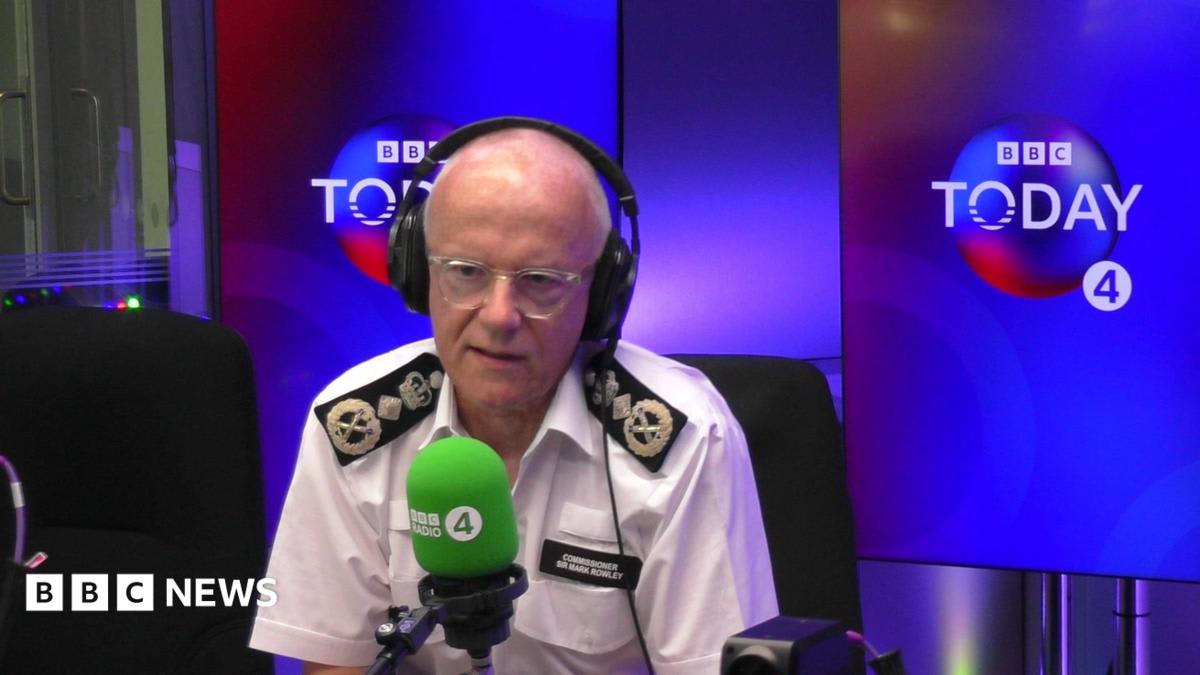
Met Police Commissioner Sir Mark Rowley has acknowledged procedural errors in the Simon Levy case while defending the integrity of the investigation. The force faces intense scrutiny over its failure to prevent subsequent murders while Levy was under police monitoring.
The Metropolitan Police Under Scrutiny: The Simon Levy Case
Acknowledging Institutional Failure
Sir Mark Rowley, the Commissioner of the Metropolitan Police, has publicly addressed the mounting controversy surrounding the handling of double murderer Simon Levy. By acknowledging that mistakes were made during the investigative process, the Met has attempted to address the growing public outcry regarding systemic lapses. The admission comes at a time when the force is under intense pressure to justify its decision-making protocols and its ability to protect the public from dangerous individuals who are already on the police radar.
The Debate Over Evidentiary Thresholds
Central to the controversy is the criticism leveled by figures such as Labour MP Jess Phillips, who argued that the Metropolitan Police failed to adequately pursue the case regarding Levy's first murder. Sir Mark Rowley has pushed back against these claims, asserting that detectives conducted "serious" investigative work but ultimately lacked the sufficient evidence required to secure a charge from the Crown Prosecution Service (CPS). This highlights the complex tension between the police's duty to protect the public and the rigorous legal standards of evidence required to deprive an individual of their liberty.
The Reality of Monitoring and Bail
Perhaps the most alarming aspect of this case is that Simon Levy was not only known to the police but was actively on bail and under monitoring when he committed his subsequent crimes. In March 2025, Levy murdered Carmenza Valencia-Trujillo, and just five months later, he claimed the life of Sheryl Wilkins, in addition to committing a violent rape. The fact that these crimes occurred while Levy was under the watch of law enforcement raises critical questions about the efficacy of current bail and monitoring conditions for high-risk offenders.
Broader Implications for Public Safety
This case serves as a grim case study in the limitations of police oversight. When individuals identified as potential threats are permitted to remain in the community, the failure to secure a conviction creates a catastrophic risk to public safety. The subsequent apologies from both the Metropolitan Police and the CPS indicate a recognition that the mechanisms currently in place to manage such individuals may be fundamentally flawed, necessitating a thorough review of how high-risk suspects are handled while under investigation.
Future Trends in Policing and Accountability
Looking ahead, this incident will likely fuel demands for stricter bail conditions and more robust oversight of police investigative procedures. Sir Mark Rowley’s comment that public debate needs to be "better informed" suggests that the Met intends to push for greater transparency regarding the legal constraints they face. However, as the force grapples with the aftermath of these murders, the primary challenge remains restoring public trust that the police can effectively intervene before an investigation turns into a tragedy.
Conclusion
The case of Simon Levy is a sobering reminder of the high stakes involved in criminal investigations. While the Metropolitan Police maintain that they followed standard legal procedures, the human cost of these decisions is undeniable. The ongoing dialogue between lawmakers, the judiciary, and the police will be essential in determining how future investigations are conducted to ensure that such systemic failures are not repeated.