North Korean remote IT staffer worked for US government agency, says FBI
Source Entity
Zack Whittaker
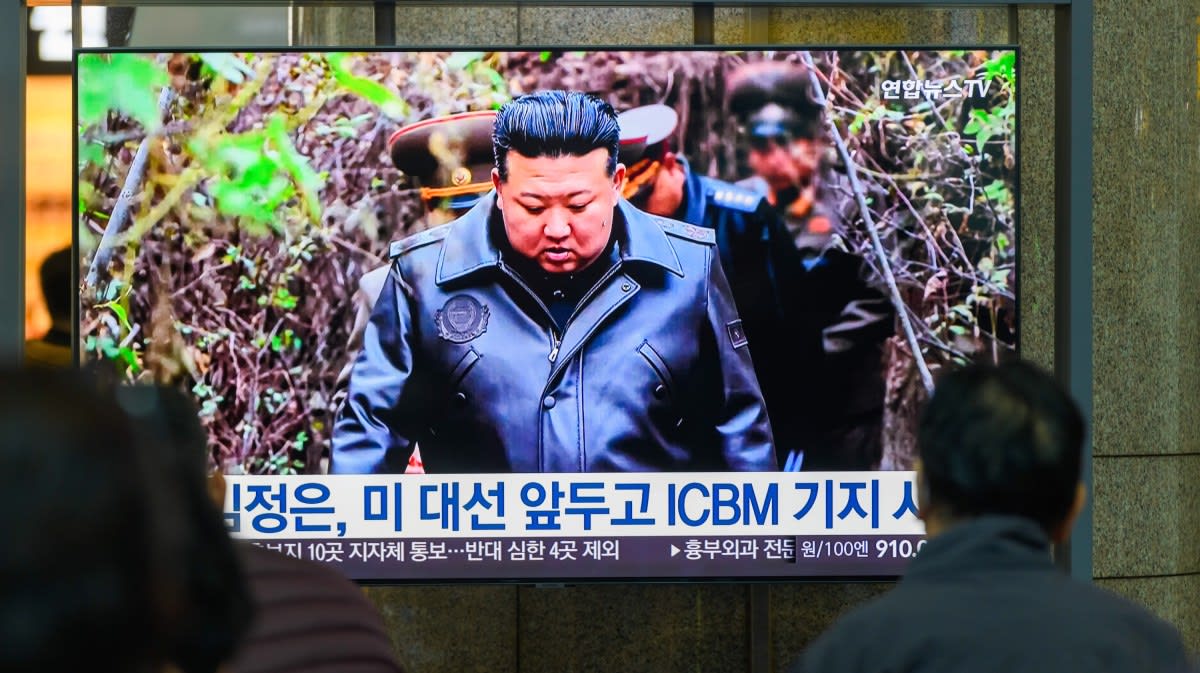
The FBI is investigating a case where a North Korean national successfully obtained employment at a U.S. federal government agency. This incident highlights the growing sophistication of state-sponsored efforts to infiltrate foreign entities through fraudulent remote IT employment.
The Breach of Federal Integrity: North Korean IT Infiltration
Recent revelations from the FBI have exposed a startling security breach: a North Korean national successfully infiltrated a U.S. federal government agency under the guise of an IT worker. This incident, confirmed by a senior FBI official at a Washington, D.C. conference, represents a significant escalation in the regime's long-standing strategy of deploying remote IT workers to circumvent international sanctions and generate illicit revenue.
The Mechanics of Fraudulent Employment
While the specific identity of the agency remains classified, the case underscores a systemic vulnerability in remote hiring practices. North Korean operatives often utilize stolen or forged identities, combined with sophisticated technical credentials, to bypass traditional vetting processes. By masquerading as remote contractors, these individuals gain access to sensitive internal networks, providing the regime with a foothold that can be leveraged for espionage, intellectual property theft, or financial disruption.
Broader Implications for National Security
This incident is not an isolated event but rather a symptom of a larger, coordinated campaign. The FBI has noted that North Korean IT workers are actively infiltrating private organizations, multinational corporations, and cryptocurrency exchanges in addition to government entities. The primary goal is twofold: to secure hard currency for the regime in Pyongyang and to gain strategic intelligence. The infiltration of a federal agency marks a dangerous threshold, shifting from commercial exploitation to direct national security interference.
Historical Context and Sanctions Evasion
For years, international monitors have tracked thousands of North Korean IT workers operating globally. These individuals often live in third-party countries, masking their origins to secure employment with unsuspecting companies. Despite stringent international sanctions designed to cut off funding for North Korea’s weapons programs, this 'shadow workforce' provides the regime with a resilient stream of capital. The ability to place an operative within the U.S. federal government suggests a level of operational sophistication that renders traditional background checks increasingly insufficient.
The Future of Digital Vetting
Moving forward, this case will likely force a complete overhaul of federal hiring protocols for remote contractors. As the FBI investigation continues, agencies will need to implement more rigorous, multi-layered identity verification processes, including biometric authentication and deeper background scrutiny of international contractors. The incident serves as a wake-up call that the digital battlefield now extends into the human resources departments of the world's most secure institutions.
Conclusion
The FBI’s ongoing investigation into this infiltration is a critical development in the fight against state-sponsored cyber-fraud. As North Korea continues to refine its tactics to evade global oversight, the U.S. government and private sectors must adapt by tightening security measures and heightening vigilance. Securing the digital perimeter is no longer just about firewalls; it is now fundamentally about ensuring the legitimacy of the humans behind the keyboards.