Review: Era of India by Minhaz Merchant
Source Entity
Latest News: Todays Latest News Headlines from India & World | Hindustan Times | Hindustan Times
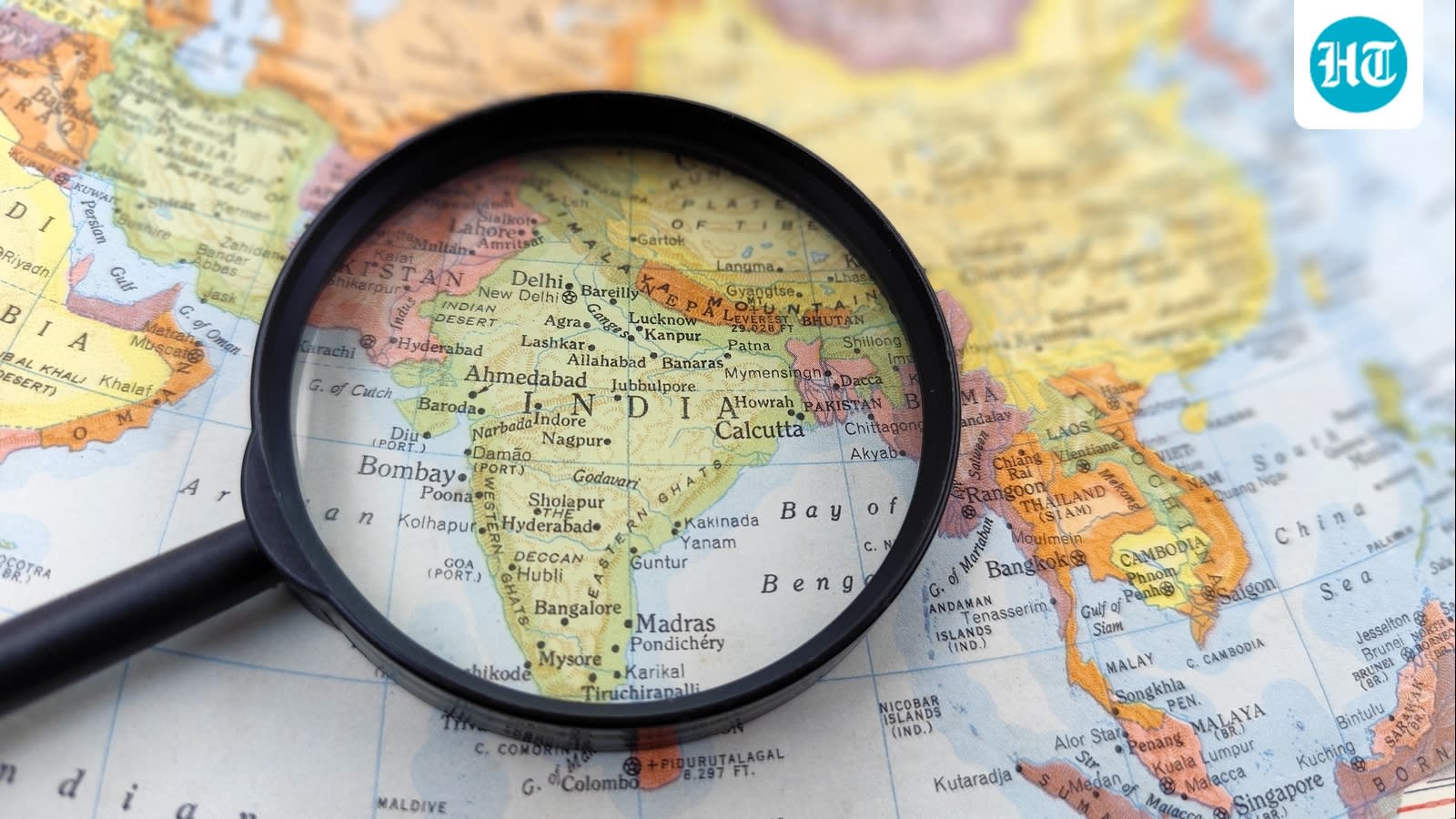
Minhaz Merchant's 'Era of India' explores the nation's projected rise to a top-three global economy by 2030. The book analyzes how India is poised to reshape the international order by overcoming its post-colonial economic legacy.
The Resurgence of a Global Power
Minhaz Merchant’s Era of India serves as a critical examination of India’s trajectory from a post-colonial state to a prospective global economic titan. The central thesis posits that the global community is currently struggling to reconcile the reality that a former colony, which struggled with deep-seated poverty in the mid-20th century, is on the precipice of becoming the world’s third-largest economy within the next decade.
Historical Context and Economic Shifting
The book highlights a profound historical irony: for the first time in three centuries, the global economic hierarchy may exclude European nations from the top three rankings. This represents a significant reversal of the geopolitical status quo that has persisted since the dawn of the colonial era. Merchant reminds readers that in the mid-1900s, India accounted for a mere three percent of the global Gross Domestic Product (GDP), making its current ascent a subject of intense academic and geopolitical scrutiny.
Integrating Multiple Disciplines
What distinguishes this work is its multidisciplinary approach. Merchant does not rely on a single metric; instead, he synthesizes history, geopolitics, economics, and demographic sociology to build a comprehensive picture of India’s future. By weaving these threads together, he provides a nuanced view of how population dynamics and structural economic reforms are coalescing to drive the nation forward.
The 2030 Horizon
Merchant’s projection that India will reshape the world order by 2030 is rooted in the country's rapid modernization and its ability to reclaim a position of influence it has not held since the pre-colonial era. The analysis suggests that the transition is not merely a matter of GDP growth but a fundamental shift in how power is distributed on the global stage. This transformation challenges the long-held Western-centric view of global development.
Broader Implications and Future Trends
As India moves toward this milestone, the implications for international relations are vast. The transition of the global economic center of gravity toward South Asia suggests a future where emerging markets dictate the terms of trade and diplomacy. As the world watches this evolution, Merchant’s work provides a framework for understanding how a nation can transition from a legacy of stagnation to a future of sustained influence and economic dominance.
Verification Required?