AAIB flags Air India pilot’s positive psychoactive substance test after Phuket flight altitude scare
Source Entity
India Latest News: Top National Headlines Today & Breaking News | The Hindu
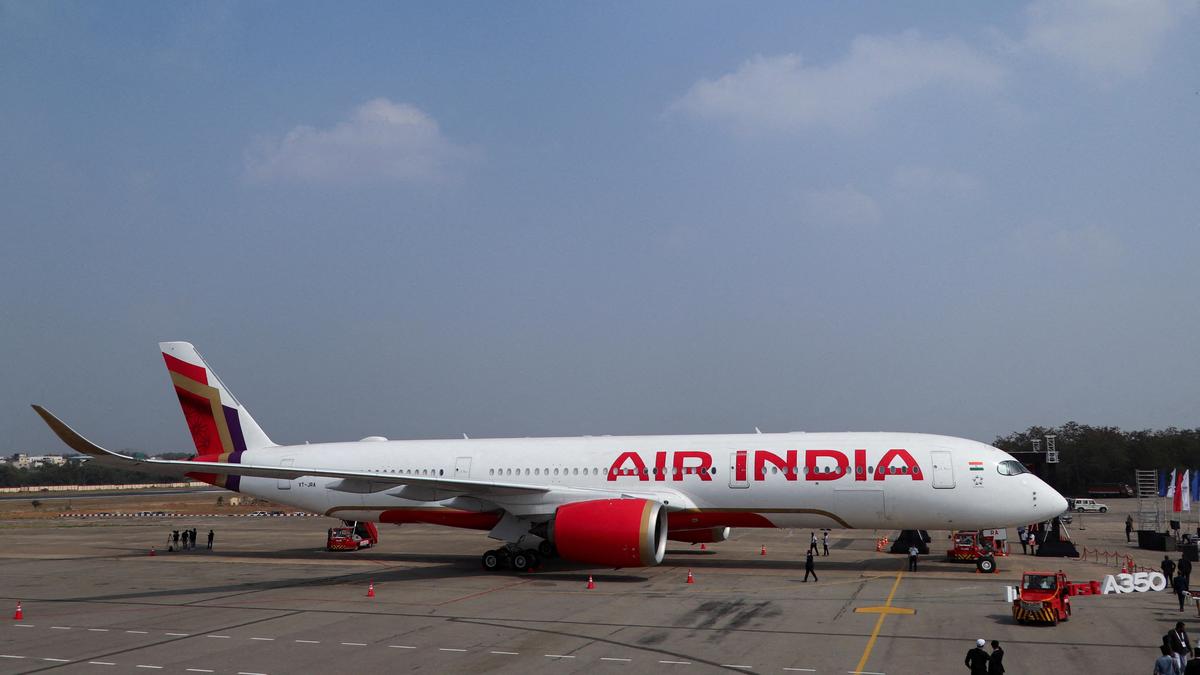
An Air India A320 flight from Phuket to Delhi experienced a sudden altitude drop due to a triple hydraulic failure, causing multiple injuries. The investigation by the AAIB revealed the pilot-in-command tested non-negative for psychoactive substances, prompting urgent regulatory review.
Investigation into Air India Phuket-Delhi Flight Incident
The Anatomy of the In-Flight Emergency
On August 4, an Air India Airbus A320neo (VT-EXO) operating a flight from Phuket to Delhi encountered a severe technical malfunction while cruising at 36,000 feet. According to the preliminary report from the Aircraft Accident Investigation Bureau (AAIB), the aircraft suffered a sudden and simultaneous failure of all three hydraulic systems—green, blue, and yellow—within a critical five-second window. This loss of hydraulic pressure triggered an immediate disengagement of the autopilot and a stall warning, leading to a sudden loss of approximately 300 feet in altitude while the aircraft was over Odisha.
Human Factors and Regulatory Concerns
Beyond the mechanical failure, the investigation has cast a spotlight on human factors. Following the flight’s safe landing in Delhi, the flight crew underwent mandatory post-flight medical examinations. While breathalyzer tests were satisfactory, the pilot-in-command (PIC) returned a non-negative result for psychoactive substances. This finding has prompted the AAIB to issue a formal recommendation to the Directorate General of Civil Aviation (DGCA) to implement more stringent measures to prevent the abuse of such substances among flight personnel.
Impact on Passengers and Crew
The sudden altitude disturbance resulted in physical harm to those on board, with 20 passengers and four cabin crew members sustaining injuries. Reports suggest that the seatbelt sign was off at the time of the incident, which likely exacerbated the severity of the injuries as the aircraft underwent sudden, violent movement. Despite the damage to the cabin and the failure of critical flight systems, the crew made the decision to continue the flight to Delhi, an action that is currently under scrutiny by investigators.
Technical and Procedural Implications
This incident involving an eight-year-old Airbus A320neo raises significant questions regarding maintenance protocols and the reliability of multi-redundant hydraulic systems. The fact that all three systems failed concurrently is an anomaly that requires deep technical analysis to determine if this was a systemic maintenance oversight or a rare, complex mechanical failure. The DGCA is now tasked with evaluating whether the pilot's non-negative drug test and the technical failure are linked or represent two separate safety breaches that occurred simultaneously.
Future Trends in Aviation Oversight
This event is likely to catalyze a shift in how aviation regulators manage pilot health and substance monitoring. The AAIB’s move to push for stricter regulatory action suggests a move toward zero-tolerance policies regarding psychoactive substances in the cockpit. As the investigation continues, the aviation industry will be watching closely to see if this incident leads to mandatory, more frequent, and more comprehensive screenings for flight crews globally to ensure that human performance remains at the highest standard of safety.
Conclusion
The Air India Phuket-Delhi incident serves as a stark reminder of the complexities inherent in modern aviation, where mechanical reliability and human readiness must work in perfect tandem. With the AAIB’s ongoing probe into both the hydraulic failure and the pilot's medical status, the final report will be instrumental in shaping future safety protocols to prevent similar occurrences in the future.
Multiple Citing Sources
Verification Required?