Donald Trump gets mashed over 'small potatoes' Iran war
Source Entity
CHIDANAND RAJGHATTA
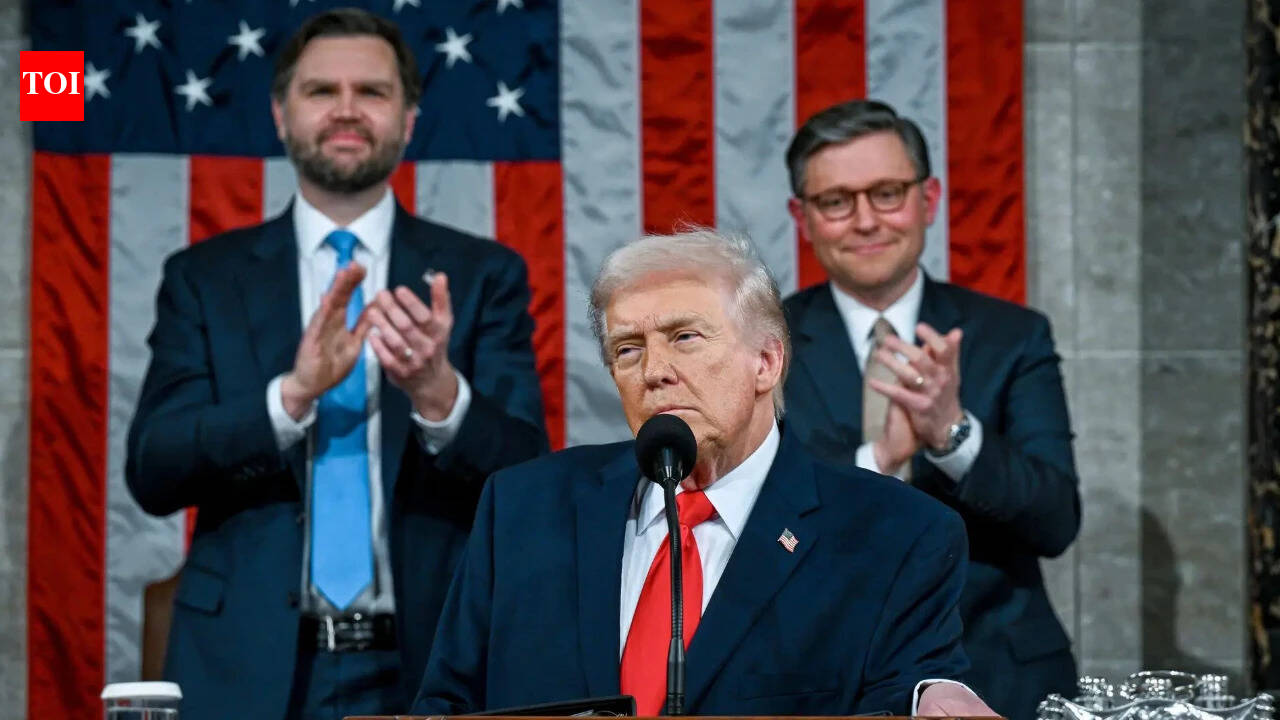
President Trump has downplayed the ongoing six-month military conflict with Iran as "small potatoes," aligning with Vice President Vance's stance. Despite the significant human and financial cost, the administration remains focused on targeted actions like the potential "Pickaxe" strike.
The Rhetoric of Conflict: Analyzing the Iran Situation
President Donald Trump’s recent characterization of the six-month-old military confrontation with Iran as "small potatoes" marks a significant rhetorical shift in how the current administration frames U.S. foreign policy. By explicitly aligning himself with Vice President JD Vance’s refusal to label the fighting as a "war," the President is attempting to manage domestic perception regarding the nature of American military involvement in the Middle East. This framing suggests a strategic effort to categorize the ongoing strikes and counterstrikes as a series of limited, intermittent engagements rather than a full-scale conventional conflict.
The Human and Economic Toll
While the administration seeks to minimize the scale of the conflict, the empirical data highlights a starkly different reality. Over the past six months, the confrontation has resulted in the tragic loss of 18 American service members. Furthermore, the financial burden on the American public has been substantial, with costs exceeding $37.5 billion. These figures serve as a critical counter-narrative to the "small potatoes" description, illustrating that even "intermittent" military action carries profound human and economic consequences for the United States.
Strategic Targeting: The 'Pickaxe' Threat
Adding a layer of tactical urgency to his rhetoric, President Trump has identified an Iranian location referred to as "Pickaxe" as a potential target for future strikes. By publicly announcing that the U.S. may strike this site upon the detection of renewed activity, the administration is utilizing a strategy of deterrence. This approach signals a willingness to engage in surgical military operations to prevent escalation, while simultaneously maintaining the narrative that the U.S. is not engaged in a broader, sustained war against the Iranian state.
The Geopolitical Dimension: China’s Role
Amidst the military maneuvering, questions regarding the role of international actors—specifically China—have surfaced. President Trump has actively downplayed allegations that China is providing material support to Iran. This diplomatic stance suggests a desire to decouple the Iran conflict from broader systemic tensions with Beijing. By minimizing the potential for Chinese involvement, the administration may be attempting to prevent the regional conflict from spiraling into a global geopolitical crisis involving major powers.
Historical Context and Future Trends
When comparing the current fighting to historical U.S. military engagements, the administration’s dismissal of the conflict as "small potatoes" serves to differentiate it from the large-scale, protracted wars of the 20th and early 21st centuries. However, the intermittent nature of this conflict suggests a new paradigm of persistent, low-to-mid-intensity warfare. Future trends indicate that the U.S. will likely continue to rely on targeted strikes and economic pressure, attempting to keep the conflict contained within the current parameters to avoid the political and logistical entanglements associated with a declared war.
Conclusion
The administration’s messaging reflects a deliberate effort to balance the realities of a costly military engagement with a desire to avoid the political baggage of a conventional war. As the U.S. continues to monitor sites like "Pickaxe" and navigates the complex web of regional and international alliances, the primary challenge remains reconciling the high human and financial costs of the conflict with the administration’s strategy of containment and limited military intervention.