Videos: Indonesia’s Anak Krakatau volcano erupts; authorities urge residents to stay away
Source Entity
The Indian Express
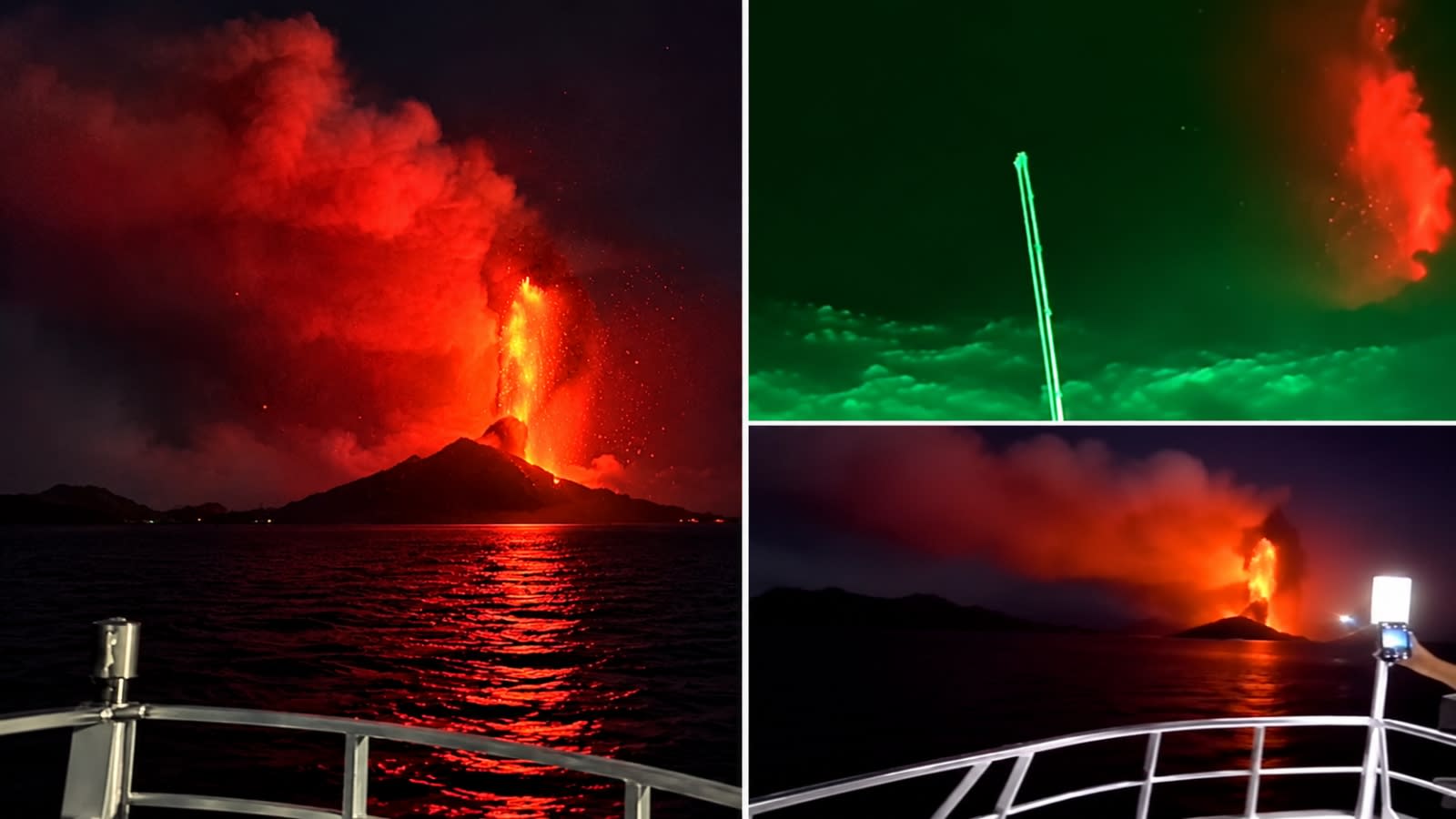
Indonesia's Anak Krakatau volcano erupted on Saturday, prompting authorities to issue stay-away warnings for the Sunda Strait region. Officials have confirmed that the current activity poses no immediate risk of a tsunami.
Volcanic Activity at Anak Krakatau: An Overview
On Saturday, Indonesia’s Anak Krakatau volcano, situated in the Sunda Strait between the islands of Java and Sumatra, experienced a significant eruption. The event, which began late Friday night at 11:07 pm local time, persisted through the early hours of Saturday morning, sending massive plumes of volcanic ash into the atmosphere. This activity marks another chapter in the volatile history of a volcano that has become a focal point for geological monitoring in the region.
Monitoring and Official Response
The Indonesian National Disaster Mitigation Agency (BNPB) and the Centre for Volcanology and Geological Hazard Mitigation (PVMBG) have been closely tracking the eruption. By maintaining a continuous observation period, these agencies have provided critical data to the public. As a direct precautionary measure, authorities have issued strict directives urging residents, tourists, and visitors to maintain a safe distance from the volcanic site to avoid the immediate hazards associated with ashfall and seismic tremors.
Geological Stability and Tsunami Risks
One of the most pressing concerns during any eruption in the Sunda Strait is the potential for mass displacement of material that could trigger a tsunami, a memory that remains fresh following the catastrophic events of 2018. However, experts from the PVMBG have provided a degree of reassurance. According to Berton Panjaitan of the BNPB, the current volcanic edifice is relatively small in scale. Consequently, officials have stated that the eruption is not currently considered capable of triggering a large-scale collapse that would result in a tsunami.
The Historical Context of Anak Krakatau
Anak Krakatau, which translates to the "Child of Krakatau," emerged from the caldera of the legendary 1883 eruption of Krakatoa. Its existence is characterized by rapid growth and frequent cycles of destruction and rebuilding. Because of its location in a busy maritime corridor and its proximity to densely populated coastal areas, it remains one of the most closely watched volcanic features globally. The current activity serves as a reminder of the dynamic tectonic environment that defines the Indonesian archipelago.
Future Trends and Safety Implications
Moving forward, the primary challenge for Indonesian authorities is balancing the natural curiosity of observers with the absolute necessity of public safety. While the current assessment suggests a lower risk of secondary disasters like tsunamis, the unpredictability of volcanic systems necessitates a continued "stay-away" zone. Future trends will likely involve sustained monitoring of the edifice's size and structural integrity to ensure that any shifts in the volcano's behavior are communicated to the public in real-time.
Conclusion
In summary, while the eruption of Anak Krakatau is a significant geological event, the proactive communication from the BNPB and PVMBG provides a clear framework for safety. By prioritizing scientific observation over speculation, authorities are managing the risks effectively. For now, the region remains under observation, with the primary goal being the mitigation of risks to residents and tourists in the vicinity of the Sunda Strait.